

End-to-End Process Control from Seed to Shipment

Why Global Buyers Source Castor Oil & Derivatives from Nova Industries, Gujarat, India


Stacked shipping containers at port


Why Global Buyers Source Castor Oil

& Derivatives from Nova Industries, Gujarat, India

For global buyers of castor oil and castor-based derivatives, supplier selection is not driven by price alone. Long-term sourcing decisions depend on manufacturing expertise, product consistency, regulatory alignment, and export reliability.
India—and Gujarat in particular—has emerged as a strategic sourcing hub for castor oil–based materials. Within this ecosystem, Nova Industries offers a combination of technical capability, process control, and international trade experience that aligns with the expectations of industrial buyers worldwide.

This article outlines the key benefits for global buyers when sourcing castor oil and derivatives from Nova Industries, Gujarat, India.


1. Strategic Location in the World’s Primary Castor Supply Region

India is the world’s largest producer of castor seeds, and Gujarat is the center of castor cultivation, processing, and export infrastructure. Operating in this region provides several structural advantages:

  • Direct access to consistent castor seed supply
  • Reduced raw material volatility
  • Shorter supply chains from farm to finished product
  • Strong connectivity to major export ports

For global buyers, this geographic advantage translates into supply stability and predictable lead times, even in fluctuating market conditions.


2. Vertically Integrated Manufacturing for Consistent Quality

One of the most important factors for international buyers is batch-to-batch consistency. Nova Industries operates with complete vertical integration, covering:

  • Castor seed sourcing through established farming networks
  • Oil extraction, refining, and degumming
  • Hydrogenation and downstream derivative manufacturing
  • In-house laboratory testing
  • Packaging, storage, and export logistics

This integrated structure minimizes dependency on external processors and enables tight control over critical quality parameters such as color, viscosity, acidity, and purity across all product grades.


3. Deep Manufacturing Experience in Castor Chemistry

With over two decades of experience in castor oil processing and derivative manufacturing, Nova Industries focuses on process discipline rather than short-term output maximization.

Key outcomes of this experience include:

  • Stable and repeatable production processes
  • Controlled chemical transformations for derivatives
  • Application-aligned product specifications
  • Reduced variability in long-term supply programs

For formulators, procurement teams, and R&D departments, this experience reduces technical risk during scale-up and repeat ordering.


4. Broad Portfolio of Castor Oil & Derivatives from a Single Source

Global buyers often prefer to consolidate sourcing to reduce vendor complexity. Nova Industries offers a comprehensive range of castor-based products, including:

  • Multiple castor oil grades (FSG, PP, PPG, FPD, CCO, Pharma Grade)
  • Hydrogenated Castor Oil and 12-HSA
  • Ricinoleic Acid and esters (Methyl Ricinolate, Methyl 12HSA)
  • Dehydrated Castor Oil and fatty acids
  • Blown Castor Oil
  • Castor meal, de-oiled cake, and oil cake

This allows buyers to source multiple inputs from a single manufacturing partner, improving coordination and documentation consistency.


5. In-House Quality Control and Documentation Discipline

Quality assurance for global markets is not limited to production—it extends to testing, traceability, and documentation. Nova Industries supports buyers with:

  • In-house laboratory testing at multiple production stages
  • Routine checks for acid value, moisture, appearance, and key chemical parameters
  • Batch-wise traceability
  • Availability of COA, TDS, and MSDS with shipments

This approach supports smoother incoming QC approval at buyer facilities and reduces delays during customs clearance or internal audits.


6. Compliance-Oriented Export Supply for International Markets

Nova Industries supplies to buyers across 40+ countries, supporting industries such as pharmaceuticals, cosmetics, polymers, lubricants, coatings, adhesives, agrochemicals, and specialty chemicals.

Key export-focused strengths include:

  • REACH-aligned product documentation where applicable
  • Export-ready packaging options (drums, bags, IBCs, bulk)
  • Accurate and consistent shipping documentation
  • Experience with multiple incoterms and international logistics workflows

For global buyers, this reduces the operational burden associated with cross-border sourcing.


7. Supply Reliability and Long-Term Partnership Focus

International buyers prioritize suppliers who can support long-term procurement planning, not just spot purchases. Nova Industries emphasizes:

  • Production planning aligned with buyer forecasts
  • Consistent quality across repeat shipments
  • Transparent communication on lead times and availability
  • Stable supplier relationships rather than transactional trade

This makes Nova Industries suitable for ongoing supply contracts and strategic sourcing programs.


8. Alignment with Sustainable and Bio-Based Supply Chains

Castor oil is a renewable, plant-derived material increasingly preferred in global formulations. Nova Industries’ focus on castor-based chemistry aligns with buyer demand for:

  • Bio-based raw materials
  • Renewable feedstocks
  • Reduced dependency on petrochemical inputs
  • Traceable agricultural origins

This supports sustainability objectives without compromising industrial performance.


Conclusion

For global buyers seeking reliable, technically consistent, and export-ready sources of castor oil and castor oil derivatives, Nova Industries offers a combination of:

  • Strategic Gujarat-based manufacturing
  • Vertical integration
  • Broad product coverage
  • Strong quality and documentation systems
  • Proven international export experience

These factors position Nova Industries as a trusted long-term sourcing partner for industrial buyers across regulated and performance-driven markets.


Contact for International Enquiries

For technical datasheets, samples, or commercial discussions, global buyers may contact Nova Industries at export@novaind.in.

Pharmaceutical Grade Castor Oil

Image

Pharmaceutical Grade Castor Oil: Properties, Manufacturing Process, and Industrial Applications

Product Definition & Industrial Relevance

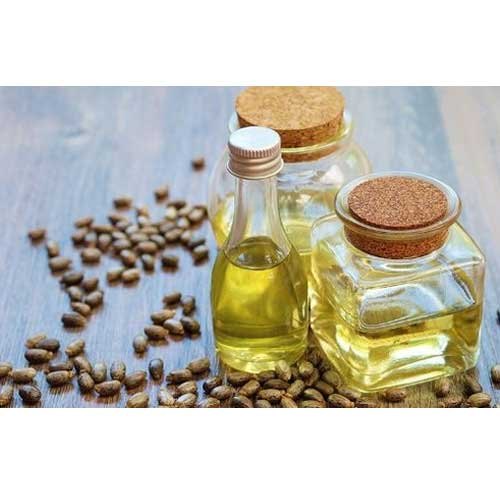
Pharmaceutical Grade Castor Oil is a high-purity, refined vegetable oil obtained from the seeds of Ricinus communis and processed to meet stringent quality and safety expectations required for pharmaceutical and healthcare-related applications.
Industrially, pharma-grade castor oil is valued for its chemical stability, controlled impurity profile, and consistent performance as an excipient, processing aid, and functional ingredient in regulated formulations.


Product Overview

Pharmaceutical grade castor oil is derived from castor seeds and subjected to advanced refining, purification, and filtration steps to remove free fatty acids, gums, moisture, and trace impurities beyond standard industrial grades.

Common forms and specifications:

  • Clear, color-controlled liquid

  • Grades aligned with pharmacopeial or buyer-specific specifications (application dependent)

At a high level, pharma-grade castor oil differs from industrial grades by offering tighter control on appearance, odour, and critical quality parameters, ensuring suitability for medicinal and healthcare formulations where consistency and safety are essential.


Manufacturing Process (High Level)

The production of pharmaceutical grade castor oil follows a controlled, compliance-oriented pathway.

1. Raw Material Sourcing
High-quality castor seeds are sourced from established agricultural regions with monitored handling and storage conditions.

2. Oil Extraction
Oil is mechanically extracted and clarified to separate solids and residual matter.

3. Advanced Refining & Purification
Multiple refining stages reduce free fatty acids, moisture, color bodies, and trace contaminants.

4. Polishing Filtration
Fine filtration ensures clarity, stability, and uniformity.

5. Quality Control Stages

  • Incoming raw material inspection

  • In-process monitoring

  • Final batch testing against defined specifications

Specific temperatures, reagents, or proprietary processing parameters are not disclosed.


Key Properties & Technical Characteristics

The performance of pharmaceutical grade castor oil depends on its refined chemical profile. Each parameter directly impacts formulation safety and stability.

  • Appearance & Physical State – Clear, colorless to pale yellow viscous liquid; clarity is critical for pharma use.

  • Odour – Neutral to very mild; suitable for sensitive formulations.

  • Viscosity – Naturally high; supports lubricity and controlled release behavior.

  • Specific Gravity – Indicates compositional consistency between batches.

  • Acid Value – Strictly controlled; reflects low free fatty acid content.

  • Hydroxyl Value – Confirms preserved hydroxyl functionality important for excipient behavior.

  • Iodine Value – Reflects unsaturation and oxidation stability.

  • Moisture Content – Very low; critical for shelf life and formulation stability.

  • Unsaponifiable Matter – Monitored to ensure high purity.

  • Oxidation Stability – Supports long-term storage under recommended conditions.

  • Typical Impurities Monitored – Residual gums, trace metals, particulate matter.

Typical Technical Parameters

Parameter Typical Indication
Appearance Clear, colorless to pale yellow liquid
Key Chemical Values Typical range — confirm with Certificate of Analysis (COA)
Purity Indicators Batch-specific, COA verified

Exact numerical limits depend on buyer specification or pharmacopeial reference and must be confirmed with the COA.


Applications & End-Use Industries

Pharmaceuticals

Use case: Excipient and functional ingredient.
Why it works: High purity, stability, and compatibility with active ingredients.
Examples: Capsule shells, syrups, ointments, topical formulations.

Medical & Healthcare Products

Use case: Processing and formulation aid.
Why it works: Controlled impurity profile and consistent viscosity.
Examples: Medical creams, gels, specialty healthcare preparations.

Drug Delivery Systems

Use case: Carrier and solubilizing medium.
Why it works: Polarity and hydroxyl functionality support formulation stability.
Examples: Controlled-release and specialty delivery systems.

Specialty & Regulated Applications

Use case: Base material requiring strict quality control.
Why it works: Batch-to-batch consistency and traceability.
Examples: Research formulations, regulated industrial uses.


Quality Standards & Compliance Practices

Pharmaceutical grade castor oil is supplied based on robust testing practices and documentation, without unverifiable certification claims.

Common practices include:

  • Acid value and saponification testing

  • Moisture analysis (Karl Fischer or equivalent)

  • Appearance and odour evaluation

  • Batch traceability and retention samples

  • Availability of COA, TDS, and MSDS

  • Quality systems aligned with generic pharmacopeial and ISO-style frameworks


Packaging, Storage & Export Handling

Common packaging options:

  • HDPE drums

  • Epoxy-lined drums

  • IBC containers (application dependent)

Storage guidelines:

  • Store in a cool, dry, sealed environment

  • Protect from light, air exposure, and moisture

  • Shelf life depends on storage conditions and specification

Export documentation typically includes:

  • Commercial Invoice

  • Packing List

  • Certificate of Analysis (COA)

  • MSDS

  • Bill of Lading

HS Code: Provided on request
MOQ & Lead Time: Subject to grade, packaging, and incoterms; confirm at enquiry


Why Buyers Source Pharmaceutical Grade Castor Oil from India

India is a primary global origin for castor oil. Gujarat serves as a major processing and export hub due to established agricultural sourcing, advanced refining infrastructure, skilled technical workforce, and strong export compliance systems, supporting traceable and consistent pharmaceutical supply.


Frequently Asked Questions (FAQs)

1. How is pharmaceutical grade castor oil different from industrial grade?
It has stricter control on purity, moisture, appearance, and impurities.

2. Is pharma-grade castor oil suitable for oral formulations?
Suitability depends on buyer specification and regulatory requirements.

3. How should it be stored?
In sealed containers, away from heat, light, and moisture.

4. What affects shelf life?
Storage conditions, exposure to air, and handling practices.

5. Are batches tested before dispatch?
Yes, comprehensive QC checks are performed.

6. Is documentation provided with each shipment?
COA, MSDS, and standard export documents are available.

7. Can specifications be customized?
Buyer-specific specifications may be discussed at enquiry stage.

8. Is traceability maintained?
Yes, batch traceability is part of routine quality practice.


Technical Enquiries

For technical datasheets, samples, or commercial enquiries, buyers may contact Nova Industries at export@novaind.in.
Castor Oil Cake: Properties, Processing, and Industrial Applications Product Definition & Industrial Relevance

Castor Oil Cake is a solid by-product obtained after mechanical extraction of oil from castor seeds (Ricinus communis). It contains organic matter, residual oil, and natural nutrients, making it suitable for non-feed agricultural and industrial applications, particularly where soil enrichment and organic nutrient input are required.
Industrially, castor oil cake is used as a natural organic material rather than a chemical intermediate.


Product Overview

Castor oil cake is generated during the castor oil production process when oil is removed from castor seeds through pressing. Compared with fully de-oiled cake, standard castor oil cake retains higher residual oil content, which contributes to its gradual nutrient release characteristics.

Common industrial forms:

  • Crushed cake

  • Powder

  • Granules / pellets (application dependent)

At a high level, castor oil cake serves agronomic and soil-conditioning purposes rather than chemical reactivity-based uses.


Manufacturing Process (High Level)

The production of castor oil cake follows an integrated, high-level process alongside castor oil extraction.

1. Raw Material Sourcing
Castor seeds sourced from established agricultural regions are processed for oil extraction.

2. Mechanical Oil Extraction
Oil is extracted through pressing, producing castor oil and residual cake.

3. Cake Conditioning
The cake is cooled, stabilized, and conditioned to manage moisture and handling properties.

4. Size Reduction (Optional)
Crushing or grinding is performed to achieve required particle size.

5. Quality Control Stages

  • Incoming seed inspection

  • In-process monitoring

  • Final batch inspection prior to packing

No proprietary detoxification or confidential processing details are disclosed.


Key Properties & Technical Characteristics

The suitability of castor oil cake depends on its physical and nutrient profile. Each parameter affects handling and end use.

  • Appearance & Physical State – Brownish solid, available in crushed or powdered form.

  • Organic Matter Content – Supports soil structure and microbial activity.

  • Residual Oil Content – Higher than de-oiled cake; contributes to gradual nutrient release.

  • Protein / Nitrogen Content – Provides organic nitrogen input to soil.

  • Moisture Content – Controlled to prevent spoilage during storage.

  • Bulk Density – Influences transport and application rates.

  • Particle Size Distribution – Important for uniform field application.

  • Typical Impurities Monitored – Foreign matter and excess moisture.

Typical Technical Parameters

Parameter Typical Indication
Physical Form Crushed cake / powder
Nutrient Values Typical range — confirm with Certificate of Analysis (COA)
Moisture Controlled range — COA verified

Exact values vary by processing specification and must be confirmed with the COA.


Applications & End-Use Industries

Agriculture & Horticulture

Use case: Organic soil nutrient and conditioner.
Why it works: Organic matter and residual oil support slow nutrient release.
Examples: Crop fields, plantations, horticulture soils.

Organic Fertilizer Manufacturing

Use case: Raw material input.
Why it works: Natural nutrient content and biodegradability.
Examples: Organic manure blends, compost formulations.

Soil Conditioning

Use case: Improvement of soil health.
Why it works: Enhances microbial activity and moisture retention.
Examples: Depleted or intensively cultivated soils.

Industrial & Other Uses

Use case: Base material for agricultural formulations.
Why it works: Consistent composition and availability.
Examples: Specialty agronomic products.


Quality Standards & Compliance Practices

Castor oil cake is supplied based on routine quality checks and batch verification, without unverifiable certification claims.

Common practices include:

  • Moisture analysis

  • Physical inspection

  • Particle size checks

  • Batch traceability

  • Availability of COA on request

  • Quality systems aligned with generic ISO-style frameworks


Packaging, Storage & Export Handling

Common packaging options:

  • PP / HDPE bags

  • Jumbo bags (bulk supply)

Storage guidelines:

  • Store in a cool, dry, and ventilated area

  • Protect from moisture and contamination

  • Shelf life depends on storage conditions

Export documentation typically includes:

  • Commercial Invoice

  • Packing List

  • Certificate of Analysis (COA)

  • Bill of Lading

HS Code: Provided on request
MOQ & Lead Time: Subject to packing and shipment terms; confirm at enquiry


Why Buyers Source Castor Oil Cake from India

India is one of the world’s largest producers of castor seeds, with Gujarat serving as a major processing and export hub. Integrated agricultural supply chains and established oil extraction infrastructure support consistent quality, traceability, and reliable export supply.


Frequently Asked Questions (FAQs)

1. What is castor oil cake mainly used for?
Primarily for agricultural soil conditioning and organic fertilizer applications.

2. How does castor oil cake differ from de-oiled cake?
It contains higher residual oil, resulting in slower nutrient release.

3. Is it suitable for animal feed?
Use depends on processing and regulatory requirements; buyers must verify suitability.

4. How should it be stored?
In dry, ventilated conditions away from moisture.

5. What affects shelf life?
Moisture exposure and storage conditions.

6. Are batches tested before dispatch?
Yes, routine quality checks are performed.

7. Is bulk supply available?
Yes, subject to packaging and logistics arrangements.

8. Is export documentation provided?
COA and standard export documents are available.


Technical Enquiries

For technical datasheets, samples, or commercial enquiries, buyers may contact Nova Industries at export@novaind.in.

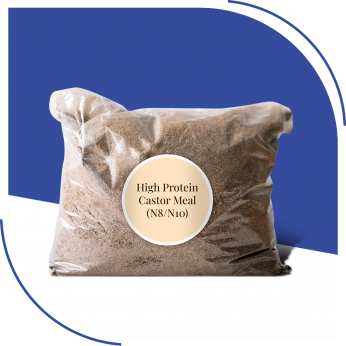
High Protein Castor Meal: Properties, Processing, and Industrial Applications Product Definition & Industrial Relevance

Image

High Protein Castor Meal is a solid by-product obtained after mechanical extraction of oil from castor seeds (Ricinus communis). It is characterized by high protein content and nutrient density, making it suitable for non-feed industrial and agricultural applications where organic nitrogen, soil conditioning, and nutrient supplementation are required.
Industrially, high protein castor meal is used as a natural organic input rather than a chemical intermediate.


Product Overview

High protein castor meal is produced during the castor oil manufacturing process when oil is removed from castor seeds through pressing. The remaining solid material is processed to achieve consistent particle size and moisture control.

Common industrial forms:

  • Powder

  • Granules / pellets (application dependent)

At a high level, castor meal differs from oil-based castor derivatives by serving nutritional and agronomic functions instead of chemical reactivity. Its naturally high protein and organic matter content support soil fertility and microbial activity.


Manufacturing Process (High Level)

The production of high protein castor meal follows a controlled, high-level pathway integrated with castor oil extraction.

1. Raw Material Sourcing
Castor seeds sourced from established agricultural regions are used for oil extraction.

2. Mechanical Oil Extraction
Oil is removed through pressing, producing castor oil and residual meal.

3. Meal Processing
The pressed cake is crushed, ground, and conditioned to achieve uniform texture.

4. Moisture Control & Stabilization
Moisture levels are adjusted to support storage stability.

5. Quality Control Stages

  • Incoming seed checks

  • In-process monitoring

  • Final batch inspection prior to packing

No proprietary detoxification or confidential processing parameters are disclosed.


Key Properties & Technical Characteristics

The suitability of high protein castor meal depends on its nutritional and physical characteristics. Each parameter affects application performance.

  • Appearance & Physical State – Brownish granular or powder form; uniformity supports even application.

  • Protein Content – Naturally high; contributes to nitrogen availability in soil.

  • Organic Matter – Supports soil structure and microbial activity.

  • Moisture Content – Controlled to maintain storage stability.

  • Oil Residue – Low residual oil content after extraction.

  • Bulk Density – Influences handling and transportation.

  • Particle Size Distribution – Important for application uniformity.

  • Typical Impurities Monitored – Foreign matter and excess moisture.

Typical Technical Parameters

Parameter Typical Indication
Physical Form Powder / granules
Nutrient Values Typical range — confirm with Certificate of Analysis (COA)
Moisture Controlled range — COA verified

Exact values vary by processing specification and must be confirmed with the COA.


Applications & End-Use Industries

Agriculture & Horticulture

Use case: Organic soil nutrient and conditioner.
Why it works: High protein and organic nitrogen content.
Examples: Crop fields, plantations, horticulture soils.

Organic Fertilizer Manufacturing

Use case: Base raw material.
Why it works: Slow nutrient release and organic composition.
Examples: Organic manure blends, bio-fertilizers.

Soil Conditioning

Use case: Improvement of soil structure.
Why it works: Organic matter enhances microbial activity.
Examples: Depleted soils, intensive farming systems.

Industrial & Other Uses

Use case: Raw material for further processing.
Why it works: Consistent composition and availability.
Examples: Specialty agricultural formulations.


Quality Standards & Compliance Practices

High protein castor meal is supplied based on routine quality checks and batch verification, without unverifiable certification claims.

Common practices include:

  • Moisture analysis

  • Physical inspection

  • Particle size checks

  • Batch traceability

  • Availability of COA on request

  • Quality systems aligned with generic ISO-style frameworks


Packaging, Storage & Export Handling

Common packaging options:

  • HDPE / PP bags

  • Jumbo bags (bulk)

Storage guidelines:

  • Store in a cool, dry, and ventilated area

  • Protect from moisture and contamination

  • Shelf life depends on storage conditions

Export documentation typically includes:

  • Commercial Invoice

  • Packing List

  • Certificate of Analysis (COA)

  • Bill of Lading

HS Code: Provided on request
MOQ & Lead Time: Subject to packing and shipment terms; confirm at enquiry


Why Buyers Source Castor Meal from India

India is a major global producer of castor seeds. Gujarat functions as a key processing and export hub due to integrated agricultural supply chains, large-scale oil extraction infrastructure, and established export logistics, supporting consistent and traceable supply.


Frequently Asked Questions (FAQs)

1. What is high protein castor meal mainly used for?
Primarily for agricultural and soil conditioning applications.

2. Is castor meal used for animal feed?
Use depends on processing and regulatory requirements; buyers must verify suitability.

3. How should it be stored?
In dry, ventilated conditions away from moisture.

4. What affects shelf life?
Moisture exposure and storage conditions.

5. Are batches tested before dispatch?
Yes, routine quality checks are performed.

6. Is bulk supply available?
Yes, subject to packaging and logistics arrangements.

7. Is documentation provided for exports?
COA and standard export documents are available.

8. Can specifications vary by application?
Yes, processing specifications may vary depending on end use.


Technical Enquiries

For technical datasheets, samples, or commercial enquiries, buyers may contact Nova Industries at export@novaind.in.
Castor Oil – PP (Pressed Grade): Properties, Manufacturing Process, and Industrial Applications Product Definition & Industrial Relevance

Castor Oil – PP (Pressed Grade) is a mechanically extracted castor oil obtained from the seeds of Ricinus communis without solvent extraction. It represents a baseline industrial grade where natural castor oil chemistry is retained, making it suitable for applications that prioritize functionality over enhanced appearance or advanced refining.
Industrially, PP grade serves as a versatile base oil and intermediate for large-volume processing and downstream modification.


Product Overview

PP grade castor oil is produced by physical pressing of castor seeds, followed by basic clarification and filtration. This method preserves the intrinsic triglyceride structure rich in ricinoleic acid.

Common industrial forms:

  • Liquid, pressed castor oil (PP grade)

  • Application-aligned specifications (dependent on filtration and handling)

At a high level, PP grade differs from degummed or pale pressed grades by having wider tolerance for natural color and non-glyceride components, while still delivering the characteristic viscosity and reactivity of castor oil.


Manufacturing Process (High Level)

The production of Castor Oil – PP follows a straightforward, non-proprietary industrial pathway.

1. Raw Material Sourcing
Castor seeds are sourced from established agricultural regions with monitored storage and handling practices.

2. Mechanical Pressing
Oil is extracted through pressing, separating oil from solid meal without solvent use.

3. Clarification & Filtration
Basic settling and filtration remove suspended solids and residual particulates.

4. Conditioning & Packaging
The oil is conditioned for storage or further processing and packed accordingly.

5. Quality Control Stages

  • Incoming seed inspection

  • In-process monitoring

  • Final batch testing prior to dispatch

Specific operating conditions or proprietary methods are not disclosed.


Key Properties & Technical Characteristics

The performance of PP grade castor oil depends on its inherent chemistry and consistency. Each property influences handling and end use.

  • Appearance & Physical State – Yellow to amber viscous liquid; natural variation is acceptable within specification.

  • Odour – Natural characteristic odour; suitable for industrial applications.

  • Viscosity – Naturally high, contributing to lubricity and film formation.

  • Specific Gravity – Indicates compositional consistency between batches.

  • Acid Value – Reflects free fatty acid content typical of pressed oils.

  • Hydroxyl Value – Represents reactive hydroxyl groups essential for chemical modification.

  • Iodine Value – Indicates degree of unsaturation and oxidation behavior.

  • Saponification Value – Used to assess fatty acid chain composition.

  • Moisture Content – Controlled to support storage stability.

  • Unsaponifiable Matter – Monitored to ensure process suitability.

  • Oxidation Stability – Relevant for storage and downstream processing.

  • Typical Impurities Monitored – Residual solids, gums, and trace contaminants.

Typical Technical Parameters

Parameter Typical Indication
Appearance Yellow to amber viscous liquid
Key Chemical Values Typical range — confirm with Certificate of Analysis (COA)
Purity Indicators Batch-specific, COA verified

Exact numerical values depend on specification and must be confirmed with the COA.


Applications & End-Use Industries

Pharmaceuticals

Use case: Limited, process-oriented applications.
Why it works: Functional castor oil chemistry at pressed-grade specification.
Examples: Processing aids and intermediate systems (application dependent).

Cosmetics & Personal Care

Use case: Non-aesthetic-sensitive formulations.
Why it works: Lubricity and dispersing properties.
Examples: Soaps, basic personal care products.

Lubricants & Greases

Use case: Base oil and blending component.
Why it works: High viscosity and natural lubricity.
Examples: Industrial lubricants, grease manufacturing.

Polymers & Resins

Use case: Renewable chemical intermediate.
Why it works: Preserved hydroxyl functionality supports modification.
Examples: Polyurethanes, modified resins.

Paints, Coatings & Adhesives

Use case: Functional oil component.
Why it works: Film-forming ability and compatibility with resin systems.
Examples: Industrial coatings, inks, adhesive blends.

Specialty & Other Industrial Uses

Use case: Feedstock for downstream castor derivatives.
Why it works: Predictable chemistry and availability.
Examples: Hydrogenated castor oil, fatty acids, esters.


Quality Standards & Compliance Practices

PP grade castor oil is supplied based on routine testing and batch verification, without unverifiable certification claims.

Common practices include:

  • Acid value testing

  • Moisture analysis

  • Appearance and odour checks

  • Batch traceability

  • Availability of COA, TDS, and MSDS

  • Quality systems aligned with generic ISO-style frameworks


Packaging, Storage & Export Handling

Common packaging options:

  • HDPE drums

  • IBC containers

  • Bulk supply (application dependent)

Storage guidelines:

  • Store in a cool, dry, sealed environment

  • Protect from heat, air exposure, and moisture

  • Shelf life depends on storage conditions

Export documentation typically includes:

  • Commercial Invoice

  • Packing List

  • Certificate of Analysis (COA)

  • MSDS

  • Bill of Lading

HS Code: Provided on request
MOQ & Lead Time: Subject to grade, packaging, and incoterms; confirm at enquiry


Why Buyers Source Pressed Grade Castor Oil from India

India is a primary origin for castor seeds and castor oil. Gujarat functions as a major processing and export hub due to integrated agricultural sourcing, established oil processing infrastructure, and strong port connectivity, supporting traceable and consistent international supply.


Frequently Asked Questions (FAQs)

1. What does “PP” mean in castor oil?
It indicates Pressed Grade, produced by mechanical pressing.

2. How does PP grade differ from degummed or pale pressed grades?
PP grade has wider tolerance for color and natural components.

3. Is PP grade water-soluble?
No, it is insoluble in water.

4. How should it be stored?
In sealed containers, away from heat and moisture.

5. What affects shelf life?
Storage conditions and exposure to air.

6. Are batches tested before dispatch?
Yes, routine QC checks are performed.

7. Can specifications vary by application?
Yes, pressed-grade specifications may differ by use.

8. Is export documentation provided?
COA, MSDS, and standard export documents are available.


Technical Enquiries

For technical datasheets, samples, or commercial enquiries, buyers may contact Nova Industries at export@novaind.in.

Blown Castor Oil: Properties, Manufacturing Process, and Industrial Applications Product Definition & Industrial Relevance

Blown Castor Oil with high viscosity used in industrial lubricants, coatings, and printing ink applications

Image

Blown Castor Oil is a chemically modified castor oil produced by controlled oxidation (air blowing) of refined castor oil derived from Ricinus communis. The blowing process increases viscosity, molecular weight, and polarity, resulting in an oil with enhanced body, tack, and film-forming characteristics.
Industrially, blown castor oil is used as a functional modifier and intermediate in applications where thickness, adhesion, and stability are required.


Product Overview

Blown castor oil originates from castor oil obtained from castor seeds. Through controlled air oxidation, the oil undergoes polymerization, producing grades with higher viscosity and improved performance compared to untreated castor oil.

Common industrial forms and grades:

  • Low-viscosity blown castor oil

  • Medium- and high-viscosity blown castor oil (grade dependent)

At a high level, blown castor oil differs from standard castor oil by offering greater consistency, tackiness, and film strength, making it suitable for specialized industrial formulations rather than general-purpose use.


Manufacturing Process (High Level)

The industrial production of Blown Castor Oil follows a controlled, non-proprietary pathway.

1. Raw Material Sourcing
Refined castor oil sourced from castor seeds is used as the base feedstock.

2. Air Blowing / Oxidation
Air is introduced under controlled conditions, promoting oxidation and polymerization of the oil.

3. Viscosity Development
The degree of blowing determines final viscosity and performance characteristics.

4. Finishing & Filtration
The oil is stabilized, filtered, and prepared for packaging.

5. Quality Control Stages

  • Incoming raw material inspection

  • In-process monitoring

  • Final batch testing prior to dispatch

Specific temperatures, air flow rates, or proprietary conditions are not disclosed.


Key Properties & Technical Characteristics

Blown castor oil performance is governed by its modified molecular structure. Each property influences formulation behavior.

  • Appearance & Physical State – Clear to amber viscous liquid; darker color may correlate with higher blowing degree.

  • Odour – Mild oxidized oil odour; acceptable for industrial applications.

  • Viscosity – Significantly higher than untreated castor oil; critical for thickening and binding roles.

  • Specific Gravity – Slightly increased due to polymerization.

  • Acid Value – Controlled within specification to ensure stability.

  • Hydroxyl Value – Reduced compared to raw castor oil due to oxidation.

  • Iodine Value – Lower than native castor oil, reflecting oxidation and saturation changes.

  • Moisture Content – Low moisture supports storage stability.

  • Unsaponifiable Matter – Monitored to ensure consistent performance.

  • Oxidation Stability – Improved resistance to further degradation under normal conditions.

  • Typical Impurities Monitored – Residual particulates and oxidation by-products.

Typical Technical Parameters

Parameter Typical Indication
Appearance Clear to amber viscous liquid
Viscosity Range Grade-dependent — confirm with Certificate of Analysis (COA)
Key Chemical Values Typical range — confirm with COA

Exact numerical values vary by grade and must be confirmed with the COA.


Applications & End-Use Industries

Pharmaceuticals

Use case: Limited, formulation-specific intermediate.
Why it works: Enhanced body and stability.
Examples: Specialized excipient systems (application dependent).

Cosmetics & Personal Care

Use case: Texture and viscosity modifier.
Why it works: Thickening and film-forming behavior.
Examples: Specialty creams, hair products, cosmetic bases.

Lubricants & Greases

Use case: Viscosity modifier and binder.
Why it works: Increased molecular weight and lubricity.
Examples: Industrial lubricants, grease formulations.

Polymers & Resins

Use case: Modifier and renewable intermediate.
Why it works: Improved compatibility and binding characteristics.
Examples: Alkyd resins, modified polymer systems.

Paints, Coatings & Adhesives

Use case: Binder and film-forming component.
Why it works: Enhances adhesion, gloss, and film strength.
Examples: Industrial paints, varnishes, printing inks, adhesives.

Specialty & Other Industrial Uses

Use case: Functional oil for tailored applications.
Why it works: Adjustable viscosity and polarity.
Examples: Rubber processing aids, specialty compounds.


Quality Standards & Compliance Practices

Blown castor oil is supplied based on testing discipline and batch verification, not unverifiable certification claims.

Common practices include:

  • Acid value testing

  • Moisture analysis

  • Appearance and odour checks

  • Viscosity monitoring

  • Batch traceability

  • Availability of COA, TDS, and MSDS

  • Quality systems aligned with generic ISO-style frameworks


Packaging, Storage & Export Handling

Common packaging options:

  • HDPE drums

  • IBC containers

  • Bulk supply (application dependent)

Storage guidelines:

  • Store in a cool, dry, sealed environment

  • Protect from excessive heat and air exposure

  • Shelf life depends on storage conditions and grade

Export documentation typically includes:

  • Commercial Invoice

  • Packing List

  • Certificate of Analysis (COA)

  • MSDS

  • Bill of Lading

HS Code: Provided on request
MOQ & Lead Time: Subject to grade, packaging, and incoterms; confirm at enquiry


Why Buyers Source Blown Castor Oil from India

India is a major origin for castor oil and its derivatives. Gujarat serves as a key processing and export hub due to integrated agricultural sourcing, established oil modification infrastructure, and strong port connectivity, supporting traceable and consistent global supply.


Frequently Asked Questions (FAQs)

1. What is blown castor oil mainly used for?
As a thickener, binder, and film-forming oil in industrial formulations.

2. How does it differ from regular castor oil?
It has higher viscosity and improved film-forming properties due to oxidation.

3. Is it water-soluble?
No, it is insoluble in water.

4. How should it be stored?
In sealed containers, away from heat and moisture.

5. What affects shelf life?
Storage conditions and degree of oxidation.

6. Are batches tested before dispatch?
Yes, routine QC checks are performed.

7. Are multiple viscosity grades available?
Yes, grades may vary based on application needs.

8. Is export documentation provided?
COA, MSDS, and standard export documents are available.


Technical Enquiries

For technical datasheets, samples, or commercial enquiries, buyers may contact Nova Industries at export@novaind.in.

Methyl Ricinolate (M.R.): Properties, Manufacturing Process, and Industrial Applications Product Definition & Industrial Relevance

Product: Methyl Ricinolate (M.R.)

SEO Title:
Methyl Ricinolate (M.R.) Manufacturer & Exporter from India | Castor-Based Ester

Meta Description:
High-purity Methyl Ricinolate (M.R.) derived from castor oil for lubricants, coatings, cosmetics, and specialty chemicals. Export-quality manufacturing with consistent performance.

Product Description:
Methyl Ricinolate (M.R.) is a castor oil–based methyl ester known for its excellent lubricity, solvency, and film-forming properties. It is widely used as a biodegradable lubricant base, plasticizer, and intermediate for specialty chemicals. With good thermal stability and low volatility, Methyl Ricinolate performs reliably across industrial applications including lubricants, coatings, inks, cosmetics, and chemical synthesis. Manufactured under controlled conditions, it offers consistent purity, stable viscosity, and dependable batch-to-batch quality for global buyers.

Caption (Website / LinkedIn / Catalog):
Castor-based Methyl Ricinolate delivering superior lubricity and sustainable performance for industrial applications.

Alt Text (Image SEO):
Methyl Ricinolate (M.R.) castor oil–based ester used in lubricants, coatings, and specialty chemical formulations


Agar aap chaho, main is prod

Image

Methyl Ricinolate (M.R.) is a fatty acid methyl ester derived from ricinoleic acid obtained from castor oil (Ricinus communis). It retains the hydroxyl functionality of ricinoleic acid while converting the carboxylic group into a methyl ester, resulting in lower acidity, improved flow, and controlled chemical reactivity.
Industrially, Methyl Ricinolate is used as a reactive intermediate, lubricant component, and formulation aid in applications where polarity, compatibility, and derivatization potential are required.


Product Overview

Methyl Ricinolate originates from castor oil through the conversion of ricinoleic acid into its methyl ester form. It is typically supplied as a clear liquid, suitable for pumping, blending, and further chemical synthesis.

Common industrial forms and grades:

  • Liquid Methyl Ricinolate

  • Application-specific grades (specification dependent)

At a high level, esterification reduces free acidity compared to ricinoleic acid, improving handling, stability, and compatibility in industrial systems. Compared with non-esterified fatty acids, M.R. offers more predictable processing behavior in downstream reactions.


Manufacturing Process (High Level)

The industrial production of Methyl Ricinolate follows a controlled, high-level pathway.

1. Raw Material Sourcing
Ricinoleic acid derived from refined castor oil is used as the primary feedstock.

2. Esterification
The fatty acid is converted into its methyl ester through controlled esterification.

3. Purification & Refining
Residual reactants and impurities are removed to achieve consistent quality.

4. Finishing & Packaging
Final filtration and conditioning prepare the product for storage or further chemical processing.

5. Quality Control Stages

  • Incoming raw material inspection

  • In-process monitoring

  • Final batch testing prior to dispatch

No proprietary temperatures, catalysts, or confidential processing details are disclosed.


Key Properties & Technical Characteristics

The performance of Methyl Ricinolate depends on its ester structure and retained hydroxyl group. Each parameter influences formulation and processing behavior.

  • Appearance & Physical State – Clear to pale yellow liquid; clarity reflects effective purification.

  • Odour – Mild characteristic odour; suitable for formulation-sensitive uses.

  • Viscosity – Lower than free fatty acids, supporting ease of handling and blending.

  • Specific Gravity – Indicates batch-to-batch compositional consistency.

  • Acid Value – Very low, confirming effective esterification.

  • Hydroxyl Value – Confirms retained hydroxyl functionality for chemical reactions.

  • Iodine Value – Reflects degree of unsaturation and reactivity.

  • Moisture Content – Low moisture supports stability and controlled reactions.

  • Unsaponifiable Matter – Controlled to maintain formulation consistency.

  • Oxidation Stability – Relevant for storage and transport.

  • Typical Impurities Monitored – Residual alcohols, unreacted acids, particulates.

Typical Technical Parameters

Parameter Typical Indication
Appearance Clear to pale yellow liquid
Key Chemical Values Typical range — confirm with Certificate of Analysis (COA)
Purity Indicators Batch-specific, COA verified

Exact numerical values vary by grade and must be confirmed with the COA.


Applications & End-Use Industries

Pharmaceuticals

Use case: Functional intermediate and excipient component.
Why it works: Low acidity and controlled polarity.
Examples: Drug delivery intermediates, formulation aids.

Cosmetics & Personal Care

Use case: Emollient and dispersing agent.
Why it works: Smooth feel and compatibility with oil phases.
Examples: Creams, lotions, specialty personal care formulations.

Lubricants & Greases

Use case: Lubricity modifier and ester base component.
Why it works: Ester structure provides lubricity with stability.
Examples: Specialty lubricants, biodegradable lubricant systems.

Polymers & Resins

Use case: Renewable chemical intermediate.
Why it works: Hydroxyl functionality enables further chemical modification.
Examples: Polyurethanes, specialty polymers.

Paints, Coatings & Adhesives

Use case: Processing and performance additive.
Why it works: Improves flow and compatibility within resin systems.
Examples: Industrial coatings, adhesive formulations.

Specialty & Other Industrial Uses

Use case: Feedstock for downstream esters and surfactants.
Why it works: Predictable structure and reactivity.
Examples: Specialty esters, performance additives.


Quality Standards & Compliance Practices

Methyl Ricinolate is supplied based on testing discipline and batch verification, without unverifiable certification claims.

Common practices include:

  • Acid value testing

  • Moisture analysis

  • Appearance and odour checks

  • Batch traceability records

  • Availability of COA, TDS, and MSDS

  • Quality systems aligned with generic ISO-style frameworks


Packaging, Storage & Export Handling

Common packaging options:

  • HDPE drums

  • IBC containers

  • Bulk supply (application dependent)

Storage guidelines:

  • Store in a cool, dry, sealed environment

  • Protect from heat, air exposure, and moisture

  • Shelf life depends on storage conditions

Export documentation typically includes:

  • Commercial Invoice

  • Packing List

  • Certificate of Analysis (COA)

  • MSDS

  • Bill of Lading

HS Code: Provided on request
MOQ & Lead Time: Subject to grade, packaging, and incoterms; confirm at enquiry


Why Buyers Source Methyl Ricinolate from India

India is the primary global origin for castor oil and ricinoleic acid derivatives. Gujarat functions as a key processing and export hub due to integrated agricultural sourcing, established esterification infrastructure, and strong port connectivity, supporting traceable and consistent global supply.


Frequently Asked Questions (FAQs)

1. What is Methyl Ricinolate mainly used for?
As an intermediate, lubricant component, and formulation aid.

2. How does it differ from ricinoleic acid?
It is esterified, resulting in lower acidity and improved handling.

3. Is it water-soluble?
No, it is insoluble in water.

4. How should it be stored?
In sealed containers, away from heat and moisture.

5. What affects shelf life?
Storage conditions and exposure to air.

6. Are batches tested before dispatch?
Yes, routine QC checks are performed.

7. Are different grades available?
Grades may vary based on application requirements.

8. Is export documentation provided?
COA, MSDS, and standard export documents are available.


Technical Enquiries

For technical datasheets, samples, or commercial enquiries, buyers may contact Nova Industries at export@novaind.in.

Methyl 12-Hydroxy Stearate (Methyl 12HSA): Properties, Manufacturing Process, and Industrial Applications Product Definition & Industrial Relevance

Image

Image

Image

Methyl 12-Hydroxy Stearate (Methyl 12HSA) is a hydroxylated fatty acid methyl ester derived from castor oil. It combines the ester functionality with a hydroxyl group on the carbon chain, giving it controlled reactivity, good compatibility, and predictable processing behavior.
Industrially, Methyl 12HSA is used as a functional intermediate and performance additive in systems where flow control, lubrication, and chemical modification are required.


Product Overview

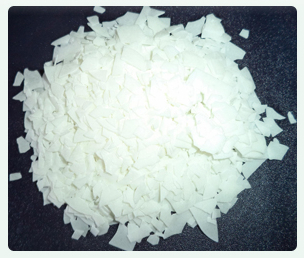
Methyl 12HSA originates from castor oil obtained from Ricinus communis. The product is typically supplied as a solid (flakes or pastilles), depending on processing and handling requirements.

Common industrial forms:

  • Flakes

  • Pastilles / granules (application dependent)

At a high level, Methyl 12HSA is produced by esterifying 12-hydroxy stearic acid. Compared with free fatty acids, the methyl ester form offers improved handling, controlled polarity, and better compatibility in selected formulations, particularly where acidity must be minimized.


Manufacturing Process (High Level)

The manufacturing of Methyl 12-Hydroxy Stearate follows a standardized, high-level pathway.

1. Raw Material Sourcing
12-Hydroxy stearic acid derived from hydrogenated castor oil is used as the primary feedstock.

2. Esterification
The fatty acid is converted into its methyl ester through controlled esterification.

3. Purification & Refining
Residual reactants and impurities are removed to achieve consistent quality.

4. Solidification & Finishing
The product is solidified and processed into flakes or granules suitable for industrial use.

5. Quality Control Stages

  • Incoming raw material inspection

  • In-process monitoring

  • Final batch testing prior to packing

No proprietary temperatures, catalysts, or confidential processing details are disclosed.


Key Properties & Technical Characteristics

The performance of Methyl 12HSA depends on its physical form and chemical structure. Each parameter influences formulation behavior.

  • Appearance & Physical State – White to off-white solid; uniform appearance indicates controlled processing.

  • Odour – Mild characteristic odour; suitable for formulation-sensitive uses.

  • Melting Behavior – Defined melting range supports predictable processing.

  • Acid Value – Very low compared with free fatty acids, indicating effective esterification.

  • Hydroxyl Value – Confirms presence of hydroxyl functionality for downstream reactions.

  • Moisture Content – Low moisture enhances stability and shelf life.

  • Unsaponifiable Matter – Controlled to maintain formulation consistency.

  • Chemical Stability – Supports storage and transport under recommended conditions.

  • Typical Impurities Monitored – Residual alcohols, unreacted acids, particulates.

Typical Technical Parameters

Parameter Typical Indication
Appearance White to off-white solid
Key Chemical Values Typical range — confirm with Certificate of Analysis (COA)
Melting Characteristics Application-dependent

Exact numerical values vary by grade and must be confirmed with the COA.


Applications & End-Use Industries

Pharmaceuticals

Use case: Functional intermediate and processing aid.
Why it works: Low acidity and controlled reactivity.
Examples: Excipient systems, formulation intermediates.

Cosmetics & Personal Care

Use case: Texture and performance modifier.
Why it works: Smooth feel and compatibility with oil phases.
Examples: Creams, lotions, specialty personal care formulations.

Lubricants & Greases

Use case: Lubricity and flow modifier.
Why it works: Ester structure provides lubricating properties with stability.
Examples: Specialty lubricants, grease systems.

Polymers & Resins

Use case: Renewable chemical intermediate.
Why it works: Hydroxyl functionality enables chemical modification.
Examples: Polyurethane intermediates, specialty resins.

Paints, Coatings & Adhesives

Use case: Processing and performance additive.
Why it works: Improves flow and compatibility in resin systems.
Examples: Industrial coatings, adhesive formulations.

Specialty & Other Industrial Uses

Use case: Intermediate for further chemical synthesis.
Why it works: Predictable structure and reactivity.
Examples: Specialty esters, performance additives.


Quality Standards & Compliance Practices

Methyl 12HSA is supplied based on testing discipline and batch verification, not unverifiable certification claims.

Common practices include:

  • Acid value testing

  • Moisture analysis

  • Appearance and odour checks

  • Batch traceability

  • Availability of COA, TDS, and MSDS

  • Quality systems aligned with generic ISO-style frameworks


Packaging, Storage & Export Handling

Common packaging options:

  • HDPE bags with inner liner

  • Fiber drums

  • Bulk packaging (application dependent)

Storage guidelines:

  • Store in a cool, dry, sealed environment

  • Protect from moisture and contamination

  • Shelf life depends on storage conditions

Export documentation typically includes:

  • Commercial Invoice

  • Packing List

  • Certificate of Analysis (COA)

  • MSDS

  • Bill of Lading

HS Code: Provided on request
MOQ & Lead Time: Subject to grade, packaging, and incoterms; confirm at enquiry


Why Buyers Source Methyl 12HSA from India

India is a primary origin for castor oil and castor-based derivatives. Gujarat functions as a key processing and export hub due to integrated agricultural sourcing, established chemical manufacturing infrastructure, and strong port connectivity, supporting traceable and consistent global supply.


Frequently Asked Questions (FAQs)

1. What is Methyl 12HSA mainly used for?
As an intermediate and performance additive in industrial formulations.

2. How does it differ from 12-hydroxy stearic acid?
It is esterified, resulting in lower acidity and different handling characteristics.

3. Is it water-soluble?
No, it is insoluble in water.

4. How should it be stored?
In sealed containers, away from heat and moisture.

5. What affects shelf life?
Storage conditions and exposure to moisture.

6. Are batches tested before dispatch?
Yes, routine QC checks are performed.

7. Are different grades available?
Grades may vary based on application requirements.

8. Is export documentation provided?
COA, MSDS, and standard export documents are available.


Technical Enquiries

For technical datasheets, samples, or commercial enquiries, buyers may contact Nova Industries at export@novaind.in.

Dehydrated Castor Oil Fatty Acid: Properties, Manufacturing Process, and Industrial Applications Product Definition & Industrial Relevance

Dehydrated Castor Oil Fatty Acid (DCOFA) is a modified fatty acid obtained from dehydrated castor oil derived from Ricinus communis. The dehydration step creates conjugated unsaturation, giving DCOFA enhanced reactivity and film-forming behavior. Dehydrated Castor Oil Fatty Acid is increasingly recognized for its versatile applications. Industrially, DCOFA is used as a reactive intermediate in coating, ink, resin, and adhesive systems where controlled drying, hardness development, and compatibility are important.


Product Overview

DCOFA originates from castor oil via dehydration followed by fatty acid splitting and purification. The resulting fatty acid exhibits drying characteristics distinct from native castor oil fatty acids.

The unique properties of Dehydrated Castor Oil Fatty Acid make it a preferred choice in various formulation processes.

Common industrial forms and grades:

  • Liquid DCO fatty acid

  • Grades aligned to coating and resin applications (specification dependent)

At a high level, DCOFA differs from standard castor oil fatty acids by offering higher drying potential and reactivity, making it suitable for surface-coating and polymer systems rather than lubrication-focused uses.

Using Dehydrated Castor Oil Fatty Acid allows manufacturers to achieve superior drying times and improved film properties.


Manufacturing Process (High Level)

The production of Dehydrated Castor Oil Fatty Acid follows a controlled, non-proprietary pathway.

1. Raw Material Sourcing
Refined castor oil from castor seeds is used as the primary feedstock.

2. Dehydration
Castor oil is dehydrated to introduce conjugated double bonds responsible for drying behavior.

3. Fatty Acid Splitting
The dehydrated oil is split to obtain free fatty acids.

4. Purification & Finishing
Refining and filtration remove impurities and stabilize the product.

5. Quality Control Stages

  • Incoming raw material inspection

  • In-process monitoring

  • Final batch testing prior to dispatch

Specific temperatures, catalysts, or proprietary conditions are not disclosed.


Key Properties & Technical Characteristics

Understanding the characteristics of Dehydrated Castor Oil Fatty Acid is crucial for optimizing its performance in applications.

The performance of DCOFA in formulations depends on its chemical structure and stability. Each property affects application behavior.

  • Appearance & Physical State – Clear to amber liquid; clarity reflects effective purification.

  • Odour – Mild characteristic odour; relevant for coatings and inks.

  • Viscosity – Influences flow, application, and film thickness.

  • Specific Gravity – Indicates batch-to-batch compositional consistency.

  • Acid Value – Confirms free fatty acid content and purity.

  • Iodine Value – Elevated due to conjugated unsaturation; linked to drying performance.

  • Saponification Value – Used to assess fatty acid composition.

  • Moisture Content – Low moisture supports storage stability.

  • Unsaponifiable Matter – Controlled to maintain formulation consistency.

  • Drying / Oxidative Reactivity – Enables film formation and hardness development.

  • Typical Impurities Monitored – Residual gums, particulates, trace contaminants.

Typical Technical Parameters

Parameter Typical Indication
Appearance Clear to amber liquid
Key Chemical Values Typical range — confirm with Certificate of Analysis (COA)
Drying Characteristics Application-dependent

Exact numerical values depend on grade and must be confirmed with the COA.


Applications & End-Use Industries

Pharmaceuticals

Use case: Limited, formulation-specific intermediate.
Why it works: Chemical stability when properly refined.
Examples: Specialty excipient systems (application dependent).

Cosmetics & Personal Care

Use case: Restricted, formulation-dependent use.
Why it works: Film-forming behavior in niche applications.
Examples: Specialized cosmetic formulations.

Lubricants & Greases

Use case: Modifier in specialty systems.
Why it works: Reactive structure and compatibility with additives.
Examples: Industrial lubricant blends.

Polymers & Resins

Use case: Reactive fatty acid component.
Why it works: Conjugated unsaturation supports polymerization.
Examples: Alkyd resins, modified resin systems.

In the field of resins, Dehydrated Castor Oil Fatty Acid serves as a critical component enhancing the overall formulation.

Paints, Coatings & Adhesives

Use case: Drying and film-forming fatty acid.
Why it works: Improves drying speed and film hardness.
Examples: Industrial paints, varnishes, printing inks, adhesives.

Utilizing Dehydrated Castor Oil Fatty Acid in paints leads to noticeable improvements in drying speed and final product hardness.

Specialty & Other Industrial Uses

Use case: Intermediate for further chemical modification.
Why it works: Predictable chemical reactivity.
Examples: Modified oils and specialty coatings.


Quality control for Dehydrated Castor Oil Fatty Acid must include comprehensive testing to ensure optimal performance.

Quality Standards & Compliance Practices

DCOFA is supplied based on testing discipline and batch verification, not unverifiable certification claims.

Common practices include:

  • Acid value testing

  • Moisture analysis

  • Appearance and odour checks

  • Batch traceability

    The importance of Dehydrated Castor Oil Fatty Acid in various industries continues to grow, reflecting its adaptability.

  • Availability of COA, TDS, and MSDS

  • Quality systems aligned with generic ISO-style frameworks


Packaging, Storage & Export Handling

Common packaging formats:

  • HDPE drums

  • IBC containers

  • Bulk supply (application dependent)

Storage guidelines:

  • Store in a cool, dry, sealed environment

  • Protect from heat, air exposure, and moisture

  • Shelf life depends on storage conditions

Export documentation typically includes:

  • Commercial Invoice

  • Packing List

  • Certificate of Analysis (COA)

  • MSDS

  • Bill of Lading

HS Code: Provided on request
MOQ & Lead Time: Subject to grade, packaging, and incoterms; confirm at enquiry


Why Buyers Source Dehydrated Castor Oil Fatty Acid from India

For many manufacturers, sourcing Dehydrated Castor Oil Fatty Acid from India ensures consistent quality and supply.

India is a major origin for castor oil and its derivatives. Gujarat serves as a key processing and export hub due to integrated agricultural sourcing, established chemical infrastructure, and strong port connectivity, supporting traceable and consistent global supply.


Frequently Asked Questions (FAQs)

1. What is DCO fatty acid mainly used for?
Primarily in coatings, inks, and resin systems.

2. How does it differ from regular castor fatty acids?
It has conjugated unsaturation that enables drying and film formation.

3. Is it water-soluble?
No, it is insoluble in water.

4. How should it be stored?
In sealed containers, away from heat and moisture.

5. What affects shelf life?
Storage conditions and exposure to air.

6. Are batches tested before dispatch?
Yes, routine QC checks are performed.

7. Are different grades available?
Grades may vary depending on application needs.

8. Is export documentation provided?
COA, MSDS, and standard export documents are available.


Technical Enquiries

For technical datasheets, samples, or commercial enquiries, buyers may contact Nova Industries at export@novaind.in.

Commercial Grade Castor Oil (C.C.O): Properties, Manufacturing Process, and Industrial Applications

Image

Image

Image

Product Definition & Industrial Relevance

Commercial Grade Castor Oil (C.C.O) is a mechanically extracted and refined vegetable oil obtained from the seeds of Ricinus communis. It is supplied for general industrial applications where functional performance is required without the tighter aesthetic or purity controls associated with higher refined grades.
Industrially, C.C.O serves as a cost-efficient base oil and intermediate, supporting large-volume applications across multiple sectors.


Product Overview

Commercial Grade Castor Oil is produced from castor seeds through mechanical pressing followed by basic refining to remove moisture, solids, and selected impurities.

Common industrial forms and grades:

  • Commercial Grade Castor Oil (C.C.O)

  • Variants aligned to application-specific requirements (specification dependent)

At a high level, C.C.O retains the natural chemical structure of castor oil, including its hydroxyl functionality. Compared with refined grades such as Pale Pressed or First Pressed Degummed, C.C.O offers broader tolerance in appearance and odour, making it suitable for non-aesthetic-sensitive and high-consumption industrial uses.


Manufacturing Process (High Level)

The production of Commercial Grade Castor Oil follows a straightforward, industrially established pathway.

1. Raw Material Sourcing
Castor seeds are sourced from agricultural regions with established cultivation and handling practices.

2. Mechanical Oil Extraction
Oil is obtained by pressing the seeds, separating oil from solid meal.

3. Basic Refining
Refining steps reduce excess moisture, suspended solids, and selected impurities to meet commercial specifications.

4. Filtration & Conditioning
The oil is filtered and conditioned for storage or shipment.

5. Quality Control Stages

  • Incoming raw material inspection

  • In-process monitoring

  • Final batch testing prior to dispatch

Specific operating conditions or proprietary steps are not disclosed.


Key Properties & Technical Characteristics

The performance of C.C.O depends on its inherent chemistry and consistency. Each property affects handling and end-use suitability.

  • Appearance & Physical State – Yellow to amber viscous liquid; appearance tolerance is wider than refined grades.

  • Odour – Natural characteristic odour; acceptable for industrial applications.

  • Viscosity – Naturally high, contributing to lubricity and film formation.

  • Specific Gravity – Indicates compositional consistency between batches.

  • Acid Value – Reflects free fatty acid content within commercial limits.

  • Hydroxyl Value – Represents reactive hydroxyl groups essential for chemical modification.

  • Iodine Value – Indicates degree of unsaturation and oxidation behavior.

  • Saponification Value – Used to assess fatty acid chain composition.

  • Moisture Content – Controlled to maintain storage stability.

  • Unsaponifiable Matter – Monitored to ensure process suitability.

  • Oxidation Stability – Relevant for storage and downstream use.

  • Typical Impurities Monitored – Residual solids, gums, and trace contaminants.

Typical Technical Parameters

Parameter Typical Indication
Appearance Yellow to amber viscous liquid
Key Chemical Values Typical range — confirm with Certificate of Analysis (COA)
Purity Indicators Batch-specific, COA verified

Exact numerical values depend on specification and must be confirmed with the COA.


Applications & End-Use Industries

Pharmaceuticals

Use case: Limited, non-critical formulation applications.
Why it works: Functional castor oil chemistry at commercial specification.
Examples: Processing aids and intermediate systems (application dependent).

Cosmetics & Personal Care

Use case: Restricted or non-aesthetic-sensitive formulations.
Why it works: Lubricity and dispersing properties.
Examples: Soaps and basic personal care products.

Lubricants & Greases

Use case: Base oil or blending component.
Why it works: High viscosity and natural lubricity.
Examples: Industrial lubricants, grease manufacturing.

Polymers & Resins

Use case: Renewable intermediate.
Why it works: Hydroxyl functionality supports chemical modification.
Examples: Polyurethanes, modified resins.

Paints, Coatings & Adhesives

Use case: Functional oil component.
Why it works: Film-forming ability and compatibility with resin systems.
Examples: Industrial coatings, inks, adhesive blends.

Specialty & Other Industrial Uses

Use case: Feedstock for downstream castor derivatives.
Why it works: Predictable chemical structure and availability.
Examples: Hydrogenated castor oil, fatty acids, esters.


Quality Standards & Compliance Practices

Commercial Grade Castor Oil is supplied based on routine testing and batch verification, without unverifiable certification claims.

Common practices include:

  • Acid value testing

  • Moisture analysis

  • Appearance and odour checks

  • Batch traceability

  • Availability of COA, TDS, and MSDS

  • Quality systems aligned with generic ISO-style frameworks


Packaging, Storage & Export Handling

Common packaging options:

  • HDPE drums

  • IBC containers

  • Bulk supply (application dependent)

Storage guidelines:

  • Store in a cool, dry, sealed environment

  • Protect from heat, air exposure, and moisture

  • Shelf life depends on storage conditions

Export documentation typically includes:

  • Commercial Invoice

  • Packing List

  • Certificate of Analysis (COA)

  • MSDS

  • Bill of Lading

HS Code: Provided on request
MOQ & Lead Time: Subject to grade, packaging, and incoterms; confirm at enquiry


Why Buyers Source Commercial Grade Castor Oil from India

India is a primary global origin for castor seeds and castor oil. Gujarat functions as a major processing and export hub due to integrated agricultural sourcing, established oil processing infrastructure, and strong port connectivity, supporting traceable and consistent international supply.


Frequently Asked Questions (FAQs)

1. What is Commercial Grade Castor Oil mainly used for?
For large-volume industrial applications requiring functional castor oil chemistry.

2. How does C.C.O differ from refined grades?
It has wider tolerance in appearance and odour.

3. Is C.C.O water-soluble?
No, it is insoluble in water.

4. How should it be stored?
In sealed containers, away from heat and moisture.

5. What affects shelf life?
Storage conditions and air exposure.

6. Are batches tested before dispatch?
Yes, routine QC checks are performed.

7. Can specifications vary by application?
Yes, commercial specifications may differ by use.

8. Is export documentation provided?
COA, MSDS, and standard export documents are available.


Technical Enquiries

For technical datasheets, samples, or commercial enquiries, buyers may contact Nova Industries at export@novaind.in.