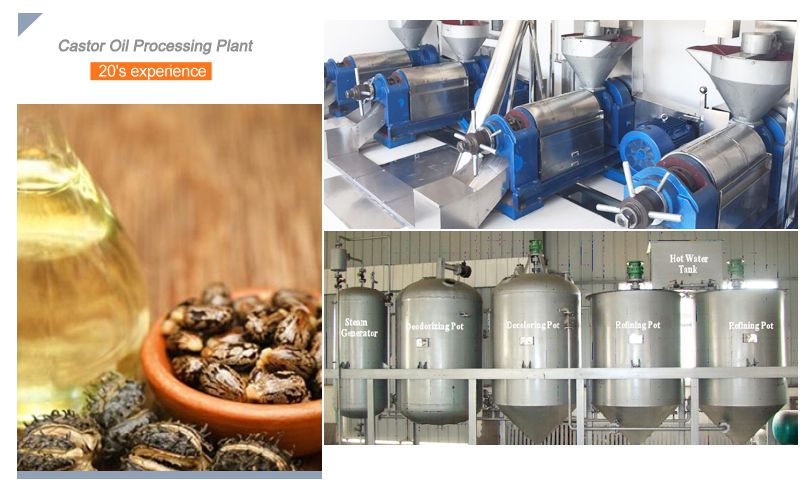
End-to-End Process Control from Seed to Shipment

The Hidden Cost of Wrong Castor Oil Grade Selection

In global sourcing of castor oil and castor-based derivatives, the most expensive problems are rarely visible on the invoice.
They appear later—as QC rejections, reformulation cycles, production downtime, and lost market confidence.

This article explains the real cost of choosing the wrong castor oil grade, without repeating product descriptions, specifications, or manufacturing details already covered elsewhere.


1. Price Is Visible; Risk Is Not

Buyers often compare grades based on price per kilogram, assuming that lower grades can be “adjusted” during processing.
What is overlooked is the cumulative operational risk introduced by wider variability.

Lower upfront cost can quietly convert into:

  • Higher internal testing frequency

  • Increased rejection rates

  • Additional filtration or correction steps

These costs are rarely tracked against the raw material itself—but they accumulate quickly.


2. QC Rejections Are the First Warning Sign

Quality control failures are not always dramatic. Often they appear as:

  • Borderline results requiring re-testing

  • Temporary release holds

  • Conditional approvals

Each incident consumes time, manpower, and production slots.
Repeated occurrences indicate grade mismatch, not bad luck.


3. Reformulation Costs Are Often Underestimated

When a grade does not perform consistently, formulators compensate by:

  • Adjusting ratios

  • Adding stabilizers

  • Modifying process conditions

While this may “fix” the problem temporarily, it creates:

  • Loss of formulation robustness

  • Increased sensitivity to future batches

  • Higher dependency on technical intervention

Over time, the formulation becomes fragile instead of stable.


4. Production Downtime Is the Most Expensive Outcome

Downtime triggered by raw material inconsistency affects:

  • Batch scheduling

  • Equipment utilization

  • Delivery commitments

Unlike raw material cost differences, downtime costs multiply across the entire operation, impacting teams far beyond procurement.


5. Export Markets Penalize Inconsistency More Severely

For export-oriented products, inconsistency has amplified consequences:

  • Failed pre-shipment inspections

  • Customer complaints

  • Loss of approved-supplier status

Once confidence is lost in international markets, regaining approval often requires re-qualification, not just replacement material.


6. Why Over-Specification Is Also a Cost

Choosing a grade that exceeds actual requirements can:

  • Increase material cost without functional benefit

  • Introduce unnecessary regulatory complexity

  • Limit sourcing flexibility

Smart buyers avoid both extremes—under-specification and over-specification—by aligning grade choice with actual application risk.


7. How Experienced Buyers Calculate “True Cost”

Experienced procurement teams evaluate:

  • Rejection probability

  • Batch-to-batch variation

  • Technical support load

  • Long-term supply stability

They recognize that a grade with slightly higher unit cost but lower operational volatility often delivers the lowest total cost of ownership.


8. Where Grade Selection Strategy Makes the Difference

Strategic grade selection:

  • Stabilizes formulations

  • Reduces internal firefighting

  • Improves supplier relationships

  • Supports scale-up and long-term contracts

Manufacturers such as Nova Industries typically support buyers in aligning grade choice with application risk, helping avoid hidden downstream costs.


Conclusion

The cost of wrong castor oil grade selection is rarely visible at purchase—but it is always paid later.
Buyers who evaluate grades based on risk profile, consistency, and lifecycle impact achieve smoother operations and more reliable supply chains.

Choosing the right grade is not about paying more—it is about losing less.

Trial to Commercial Scale: How Castor Oil & Derivatives Are Actually Qualified by Buyers

Many suppliers believe that once a castor oil or derivative passes a laboratory trial, commercial approval is guaranteed. Global buyers know this is rarely true.
In reality, qualification is a multi-stage risk-screening process designed to expose weaknesses that only appear over time, volume, and repetition.

This article explains how buyers truly qualify castor oil and castor-based derivatives from trial to long-term supply, without repeating product descriptions, specs, or manufacturing steps.


1. Trial Orders Are Designed to Reveal Weaknesses

A buyer’s first order is not about revenue. It is a stress test.

During trials, buyers watch:

  • Response time to technical queries
  • Accuracy of documentation
  • Packaging discipline
  • Willingness to discuss limitations, not just strengths

Suppliers who oversell or rush answers often fail before scale-up even begins.


2. Lab Success ≠ Process Compatibility

A material can perform well in a controlled lab environment yet fail during:

  • Continuous mixing
  • Heating/cooling cycles
  • Extended residence times
  • Interaction with other raw materials

Buyers therefore assess process compatibility, not just formulation compatibility.
This is where inconsistent batches begin to show their impact.


3. Pilot Scale Is Where Most Rejections Happen

Pilot runs expose issues that lab trials cannot, such as:

  • Viscosity drift under shear
  • Filtration challenges
  • Unexpected odour development
  • Colour variation after processing

Suppliers that lack tight batch control often pass labs but fail pilots—quietly and permanently.


4. Repeatability Is the Real Qualification Metric

Buyers rarely approve a supplier after one successful batch.
They look for repeatability across multiple lots, often over several months.

Key questions buyers ask internally:

  • Does performance stay stable across deliveries?
  • Do COA values cluster tightly or swing within limits?
  • Is there any gradual drift?

Consistency, not peak performance, earns approval.


5. Documentation Is Re-Checked at Every Stage

As volume increases, buyers re-audit:

  • COA format consistency
  • MSDS accuracy
  • Traceability references
  • Change-control discipline

Small documentation lapses tolerated during trials often become deal-breakers at commercial scale.


6. Communication Quality Determines Scale Approval

As volumes rise, buyers observe:

  • How quickly deviations are acknowledged
  • Whether explanations are technical or generic
  • If corrective actions are preventive or reactive

Suppliers who communicate transparently during minor issues build confidence for major volumes.


7. Why Some Suppliers Are Dropped After “Successful” Trials

Common hidden reasons include:

  • Inconsistent second or third batch
  • Unclear root-cause explanations
  • Packaging or logistics errors
  • Inability to support forecasted volumes

From the buyer’s perspective, dropping a supplier early is risk management, not rejection.


8. Why Integrated Manufacturers Scale More Reliably

Suppliers controlling sourcing, processing, testing, and dispatch can respond faster and more precisely to scale-related issues.

Manufacturers such as Nova Industries, operating within Gujarat’s castor ecosystem, are structurally aligned to support trial-to-commercial transitions with fewer variables and clearer accountability.


Conclusion

Qualification does not end with a successful trial.
For castor oil and its derivatives, commercial approval is earned through consistency, communication, and control over time.

Suppliers who understand this process are not surprised by buyer expectations—and are more likely to become long-term partners rather than trial vendors.

Why “Same Specification” Castor Oil Performs Differently from Different Suppliers

Global buyers often assume that if two suppliers offer castor oil or a castor-based derivative with the same specification, the performance will be identical. In practice, this assumption is one of the most common causes of trial failures, scale-up issues, and repeat-order rejections.

This article explains—without repeating product descriptions or manufacturing steps—why specification parity does not guarantee functional parity, and how buyers can evaluate suppliers more accurately.


1. Specifications Describe Limits, Not Behavior

A Certificate of Analysis (COA) typically lists acceptable ranges (acid value, moisture, color, etc.).
What it does not show is how tightly a supplier controls variation within those ranges.

Two suppliers may both meet the spec, but:

  • One consistently produces near the center of the range

  • The other fluctuates near the upper or lower limits

In sensitive formulations, this difference alone can change viscosity, stability, or appearance.


2. Impurity Profiles Matter More Than Headline Numbers

Specifications usually track a few key parameters. They rarely capture:

  • Trace gums or residues

  • Minor oxidation by-products

  • Non-listed unsaponifiable components

These unlisted impurities can affect:

  • Emulsion stability

  • Odour development over time

  • Interaction with additives or actives

Suppliers with stronger process discipline typically maintain cleaner impurity profiles, even when headline specs look identical.


3. Process Consistency Drives Functional Consistency

Performance differences often originate from how consistently a process is run, not from the process itself.

Buyers notice issues when:

  • Raw material quality shifts seasonally

  • Refining or finishing steps vary batch to batch

  • In-process controls are relaxed under volume pressure

Over time, this leads to batch drift, where each delivery behaves slightly differently—even though it passes specification.


4. COA Snapshots vs. Long-Term Reality

A COA represents a single batch snapshot.
Buyers, however, experience performance across multiple batches over months or years.

Suppliers that rely only on final testing may pass individual shipments but fail over time.
Suppliers that control incoming materials, in-process parameters, and final checks tend to deliver stable long-term performance.


5. Storage, Handling, and Packaging Influence Outcomes

Even when two suppliers produce similar material, differences in:

  • Filtration practices

  • Exposure to air or moisture

  • Packaging material quality

  • Storage time before shipment

can alter how the product behaves at the buyer’s facility.

This is why buyers often see differences after transport or during storage, not immediately on receipt.


6. Why Formulators Detect Differences First

R&D and formulation teams usually detect performance differences before procurement does.

Typical signals include:

  • Unexpected viscosity shifts

  • Longer or shorter processing times

  • Colour drift in finished goods

  • Reduced shelf-life stability

These signals rarely point to “off-spec” material—but rather to inconsistent process control upstream.


7. How Experienced Buyers Compare Suppliers Correctly

Instead of comparing single COAs, experienced buyers:

  • Review multiple batch COAs over time

  • Request information on in-process controls

  • Evaluate repeatability during trials

  • Observe how suppliers respond to technical questions

This approach reveals differences that simple spec comparison cannot.


8. Why Vertically Integrated Suppliers Reduce Variability Risk

Suppliers who control more stages of the value chain tend to deliver more predictable performance, because accountability is centralized.

Manufacturers such as Nova Industries, operating with integrated sourcing, processing, and in-house testing, are structurally better positioned to maintain functional consistency, not just specification compliance.


Conclusion

“Same specification” does not mean “same performance.”
For castor oil and castor-based derivatives, how a product is made, controlled, and handled determines how it behaves in real applications.

Buyers who evaluate suppliers based on process discipline and repeatability—not just numbers on a COA—avoid costly reformulations, QC rejections, and supply disruptions.

How Global Buyers Evaluate Castor Oil & Derivative Suppliers

How Global Buyers Evaluate Castor Oil & Derivative Suppliers (What Actually Matters)

When international buyers source castor oil and castor-based derivatives, their evaluation process is far more structured than most suppliers realize.
Price is discussed late. Marketing claims are largely ignored. What determines approval—or rejection—is a combination of technical confidence, risk control, and long-term reliability.

This article explains how global buyers actually evaluate suppliers, based on real procurement, QA, and R&D decision logic—without repeating product details, manufacturing steps, or sales narratives.


1. Supplier Evaluation Starts Before the First Email

Serious buyers begin assessment before contacting a supplier. They review:

  • Website clarity and technical depth

  • Product portfolio consistency (not volume)

  • Documentation transparency

  • Industry focus (general trader vs specialist)

Suppliers who appear generic or inconsistent are filtered out early, regardless of pricing.


2. Product Range Is Evaluated for Logic, Not Size

Buyers do not look for the largest catalog.
They look for a logical, technically connected portfolio.

Key questions buyers ask internally:

  • Do the products make chemical sense together?

  • Are derivatives clearly linked to base castor oil grades?

  • Does the supplier understand downstream use, or just sell SKUs?

A structured castor-based portfolio signals manufacturing depth, not trading activity.


3. Quality Control Is Judged by Consistency, Not Numbers

Buyers rarely focus on a single COA. Instead, they assess:

  • Whether specifications stay stable over time

  • How tightly internal variation is controlled

  • How the supplier handles out-of-spec situations

  • Whether batch traceability is maintained

A supplier with “acceptable numbers” but unstable repeat performance is usually rejected after trials.


4. Documentation Accuracy Is a Trust Filter

Global buyers quietly disqualify suppliers due to documentation issues such as:

  • Inconsistent COA formats

  • Generic or outdated MSDS

  • Missing traceability references

  • Delayed document sharing

Accurate, consistent documentation signals process discipline and reduces buyer-side compliance risk.


5. Trial Orders Are Stress Tests, Not Sales Opportunities

Buyers use trial orders to observe:

  • Communication quality during execution

  • Packing accuracy

  • Delivery coordination

  • Response to technical questions

Suppliers who treat trials as “small orders” often lose the opportunity for long-term business.


6. Scale-Up Capability Matters More Than Trial Success

Passing a lab trial is only the first step.
Buyers evaluate whether the supplier can support:

  • Repeated batches

  • Increased volumes

  • Specification stability during scale-up

  • Long-term supply planning

Many suppliers fail after successful trials due to scale inconsistency.


7. Risk Reduction Is the Real Buying Driver

For procurement teams, the real question is:

“Which supplier reduces my operational risk over the next 2–3 years?”

This includes:

  • Fewer QC rejections

  • Predictable lead times

  • Stable formulations

  • Reliable export execution

Suppliers that help buyers avoid problems are preferred over those offering short-term cost advantages.


8. Why Vertically Integrated Manufacturers Score Higher

Buyers consistently favor manufacturers who control:

  • Raw material sourcing

  • Processing and refining

  • Derivative manufacturing

  • In-house quality testing

This integration reduces dependency risks and improves accountability.
Companies such as Nova Industries, operating within Gujarat’s castor ecosystem, align well with these buyer expectations.


Conclusion

Global buyers do not evaluate castor oil suppliers emotionally or transactionally.
They follow a risk-based, long-term decision framework focused on consistency, clarity, and execution reliability.

Suppliers who understand this evaluation logic:

  • Receive fewer but higher-quality enquiries

  • Build long-term contracts instead of spot deals

  • Become part of buyer supply strategies, not vendor lists

Understanding how buyers think is the first step to becoming a preferred supplier.

Castor oil manufacturers in gujarat india| Nova Industries

Nova Industries – Castor Oil & Castor Oil Derivatives Manufacturer from India

Nova Industries is a trusted Indian manufacturer and global exporter of castor oil and castor oil–based derivatives, supplying high-performance, renewable, bio-based industrial raw materials to customers worldwide. Operating from Gujarat, India, the company serves international buyers across lubricants, greases, polymers, coatings, paints, inks, resins, pharmaceuticals, cosmetics, agrochemicals, and specialty chemical industries, delivering consistent quality and dependable supply.

Castor oil is derived from Ricinus communis seeds and is chemically unique among vegetable oils due to its naturally high ricinoleic acid content (approximately 90%), which provides hydroxyl functionality combined with unsaturation. This rare molecular structure offers excellent lubricity, strong polarity, viscosity stability, thermal resistance, and controlled chemical reactivity, making castor oil a preferred industrial feedstock rather than a commodity oil. These intrinsic properties allow castor oil to serve as a reliable base for advanced chemical processing, functional fluids, and performance-driven formulations where consistency and specification control are critical.

Nova Industries manufactures and supplies a complete, integrated portfolio covering all major castor oil grades and downstream derivatives. This includes First Special Grade (FSG) Castor Oil for pharmaceutical, cosmetic, and high-purity industrial applications; Pale Pressed Grade (PPG) Castor Oil for color-sensitive cosmetics, inks, and coatings; First Pressed Degummed (FPD) Castor Oil for fatty acid splitting, esterification, and chemical processing; Commercial Grade Castor Oil (CCO) for paints, surface coatings, rubber, textiles, and general industrial use; and Castor Oil – PP for industrial lubricants and derivative manufacturing.

The portfolio further extends to Hydrogenated Castor Oil (Castor Wax) used in lubricating greases, cosmetics, polishes, and hot-melt systems; 12-Hydroxy Stearic Acid (12-HSA) widely applied as a grease thickener and in polymers, coatings, rubber processing, and personal care products; Dehydrated Castor Oil (DCO) for alkyd resins, paints, varnishes, and printing inks; and Dehydrated Castor Oil Fatty Acid for resin synthesis and specialty chemical intermediates. Nova Industries also supplies advanced castor-based fatty acids and esters, including Ricinoleic Acid for lubricants, polymers, and surfactants; Methyl 12-Hydroxy Stearate for specialty lubricants and wax systems; Methyl Ricinoleate as a bio-based lubricant and plasticizer; and Blown Castor Oil for adhesives, inks, and coating formulations.

In addition to industrial chemicals, Nova Industries supports sustainable and circular bio-economy practices through agricultural by-products, including Castor Oil Cake, Castor De-Oiled Cake, and High-Protein Castor Meal, which are widely used as organic fertilizers, composting materials, and nitrogen-rich agricultural inputs.

India’s position as the world’s largest producer of castor oil, combined with Gujarat’s strong agricultural base, advanced processing infrastructure, and efficient export logistics, enables Nova Industries to offer long-term supply stability, batch consistency, and export-ready documentation for global markets. With in-house manufacturing, strict quality control, and the capability to meet customized specifications, Nova Industries functions as a single-source partner for international buyers seeking reliable, renewable, and performance-driven castor oil solutions.

This integrated portfolio positions Nova Industries as a dependable supplier for global industries requiring consistent castor oil and castor-derived materials engineered for industrial performance, sustainability, and long-term reliability.

Castor Oil FSG Guide | Grade Selection for Global Buyers

Castor Oil – First Special Grade (FSG): How Global Buyers Decide, Use, and Source It Safely

Castor Oil – First Special Grade (FSG) is not chosen accidentally.
It is selected deliberately by global buyers who sit between two extremes:
basic industrial grades that create risk, and pharma grades that create over-specification.

This article explains how buyers think about FSG, where it fits, why it is preferred, and how to decide if it is the right grade—without repeating product definitions or manufacturing descriptions already covered elsewhere.


1. Why Global Buyers Choose FSG Over Other Castor Oil Grades

Buyers typically move to FSG after facing problems with lower grades, not because of marketing claims.

Common triggers include:

  • Inconsistent colour affecting formulation appearance

  • Batch-to-batch variability causing incoming QC failures

  • Odour instability in finished products

  • Filtration or processing issues during scale-up

FSG becomes the preferred option when:

  • Commercial / PP grades are too inconsistent

  • Pharma grade is unnecessary or cost-heavy

  • Long-term repeatability matters more than one-time price

In practice, FSG is selected when risk reduction becomes more important than lowest cost.


2. Where FSG Is Used in Sensitive Industrial Formulations

FSG is commonly used in formulations where small variations create large downstream problems.

Typical characteristics of such formulations:

  • Light-colour finished products

  • Odour-sensitive systems

  • Long shelf-life requirements

  • Tight internal quality windows

Industries using FSG often include:

  • Pharma-adjacent products (non-API use)

  • Cosmetic and personal care bases

  • Specialty polymers and resins

  • Export-oriented chemical formulations

In these systems, lower grades may technically “work,” but do not work consistently.


3. Batch Consistency and Long-Term Supply: Why FSG Supports Repeat Orders

One of the least discussed—but most important—reasons buyers select FSG is repeat-order stability.

Lower grades often introduce:

  • Batch drift over time

  • Re-qualification during scale-up

  • Increased internal testing costs

  • Production delays due to QC rejections

FSG reduces these issues by offering:

  • Narrower internal quality variation

  • Predictable processing behaviour

  • Stable performance across months and years

For buyers operating continuous or contract manufacturing, this stability outweighs marginal price differences.


4. Where FSG Sits Between Pharma Grade and Industrial Grades

FSG occupies a deliberate middle position.

Grade Type Buyer Challenge
Commercial / PP Variability, appearance issues
Pharma Grade Over-specification, higher cost, regulatory burden
FSG Balanced purity, controlled risk, operational efficiency

Many experienced buyers intentionally avoid pharma grade when it is not required, choosing FSG as the most practical industrial solution.


5. Common Buyer Mistakes When Ordering Castor Oil FSG

Even experienced importers make errors with FSG. The most common ones include:

  • Assuming FSG = pharma grade

  • Not aligning internal QC limits before ordering

  • Expecting identical appearance across suppliers

  • Ignoring packaging and storage impact

  • Ordering FSG when FPD or PPG would be sufficient

These mistakes lead to disputes, delays, or unnecessary cost escalation—none of which are product-quality issues, but grade-selection errors.


6. Why FSG Is Preferred for Export-Oriented Applications

FSG is frequently chosen for exports because it aligns well with:

  • Importer QC expectations

  • Documentation review processes

  • Consistent COA interpretation

  • Buyer audit requirements

For regulated or semi-regulated markets, FSG offers a clean, defensible specification without triggering unnecessary compliance complexity.

Manufacturers such as Nova Industries typically supply FSG with batch traceability and export-ready documentation, which supports smoother international trade.


7. Is Castor Oil FSG Right for Your Application? (Decision Checklist)

Use the checklist below to decide:

FSG is likely the right choice if:

  • Finished product appearance matters

  • Batch consistency is critical

  • You supply export or branded markets

  • You want fewer QC rejections

  • You do not require pharmacopeial compliance

FSG may NOT be necessary if:

  • Product is non-aesthetic industrial use

  • Wide tolerance is acceptable

  • Cost is the only driver

  • Downstream processing removes variability

This checklist prevents over- or under-specification.


Conclusion

Castor Oil – First Special Grade is not a “better” grade by default—it is a strategic choice.

Global buyers select FSG when they need:

  • Predictability over time

  • Cleaner processing behaviour

  • Reduced operational risk

  • Export-friendly consistency

Understanding why and when to use FSG is more important than knowing what it is.


Technical & Commercial Enquiries

For specification discussions, batch alignment, or export supply of Castor Oil FSG, buyers may contact Nova Industries at export@novaind.in.

Castor Oil & Castor Oil Derivatives: The Complete Industrial & Global Sourcing Guide

Castor Oil & Castor Oil Derivatives: A Complete Industrial Guide for Global Buyers
Castor oil and castor oil–based derivatives form a specialized segment of industrial raw materials used across pharmaceuticals, cosmetics, lubricants, polymers, coatings, adhesives, agrochemicals, and specialty chemical industries. Unlike many vegetable oils, castor oil offers unique chemical functionality, making it a strategic feedstock rather than a commodity ingredient.
This pillar guide is designed for global B2B buyers, procurement teams, formulators, and technical decision-makers seeking a clear, factual understanding of castor oil, its derivatives, sourcing logic, and why India—particularly Gujarat—plays a central role in the global supply chain.

1. What Is Castor Oil and Why Is It Industrially Unique?

Castor oil is a non-edible vegetable oil extracted from the seeds of Ricinus communis. Its industrial importance lies in its high ricinoleic acid content, which contains a naturally occurring hydroxyl group on the fatty acid chain.

This hydroxyl functionality gives castor oil:

  • Higher polarity than most vegetable oils

  • Strong lubricity and film-forming behavior

  • Chemical reactivity suitable for modification

Because of this structure, castor oil serves as a platform molecule that can be refined, modified, and transformed into a wide range of functional derivatives.


2. Overview of Castor Oil Grades

Castor oil is not a single uniform product. Different grades exist to match purity, appearance, and application requirements.

Common Industrial Castor Oil Grades

  • Commercial Grade (C.C.O) – General industrial use

  • Pressed Grade (PP) – Mechanically extracted baseline grade

  • First Pressed Degummed (F.P.D) – Reduced gums, improved clarity

  • Pale Pressed Grade (P.P.G) – Color-controlled applications

  • First Special Grade (FSG) – High-purity industrial grade

  • Pharmaceutical Grade – Tightly controlled quality parameters

Each grade differs in refining depth, impurity control, and suitability for regulated or performance-sensitive applications.


3. Castor Oil Derivatives: Why They Exist

Rather than using castor oil directly, many industries rely on castor oil derivatives that deliver specific functional properties.

Major Derivative Categories

  • Hydrogenated products (e.g., hydrogenated castor oil, 12-HSA)

  • Modified oils (dehydrated castor oil, blown castor oil)

  • Fatty acids (ricinoleic acid, DCO fatty acid)

  • Esters (methyl ricinolate, methyl 12-HSA)

These derivatives allow formulators to control viscosity, melting point, reactivity, drying behavior, and compatibility with other raw materials.


4. High-Level Manufacturing Value Chain

While processing methods vary by product, the industrial value chain typically follows:

  1. Castor seed sourcing and handling

  2. Mechanical oil extraction

  3. Refining, degumming, and polishing

  4. Chemical modification (hydrogenation, dehydration, esterification, oxidation)

  5. Purification and finishing

  6. Batch-wise quality verification

This structure emphasizes functional transformation, not commodity processing.


5. Key Industrial Applications

Castor oil and its derivatives are used where performance matters, not branding.

Pharmaceuticals & Healthcare

  • Excipients

  • Structuring agents

  • Drug delivery systems

Cosmetics & Personal Care

  • Emollients

  • Texture modifiers

  • Stabilizing agents

Lubricants & Greases

  • Base oils

  • Thickening agents

  • Biodegradable lubricant components

Polymers & Resins

  • Polyurethane intermediates

  • Bio-based resins

  • Flexible polymer systems

Paints, Coatings & Adhesives

  • Film formation

  • Drying behavior

  • Adhesion enhancement

Agrochemicals & Specialty Chemicals

  • Formulation stability

  • Carrier systems


6. Quality Control Expectations for Global Buyers

For international buyers, quality goes beyond chemistry. It includes process discipline and documentation.

Typical expectations include:

  • Incoming raw material checks

  • In-process monitoring

  • Final batch testing

  • Certificate of Analysis (COA)

  • MSDS / TDS availability

  • Batch traceability

Consistent quality systems reduce formulation risk and ensure smooth import clearance.


7. Compliance and Export Readiness

Global sourcing requires alignment with international trade and regulatory frameworks.

Key aspects include:

  • REACH-aligned documentation (where applicable)

  • Accurate labeling and packaging

  • Export-ready documentation (invoice, packing list, COA, MSDS, BL)

  • Experience with multiple incoterms and markets

Compliance-oriented suppliers reduce operational risk for importers.


8. Why India Is the Global Hub for Castor Oil

India accounts for the majority of global castor seed and castor oil production.

Structural advantages include:

  • Suitable agro-climatic conditions

  • Non-edible crop grown on marginal land

  • Established processing ecosystem

  • Skilled workforce in castor chemistry


9. Gujarat’s Strategic Role in Castor Manufacturing

Gujarat functions as the center of castor oil processing and export due to:

  • Proximity to castor-growing regions

  • Integrated oil and derivative facilities

  • Strong port and logistics connectivity

Manufacturers such as Nova Industries operate within this ecosystem, enabling end-to-end control from raw material to export shipment.


10. Sustainability and Bio-Based Chemistry

Castor oil aligns naturally with sustainability objectives:

  • Renewable, plant-based feedstock

  • Non-edible crop

  • High yield per hectare

  • Suitable replacement for petrochemical inputs in many systems

This makes castor oil derivatives increasingly relevant in bio-based and renewable industrial formulations.


Conclusion

Castor oil and castor oil derivatives represent a distinct class of industrial materials defined by functionality, consistency, and renewability. Understanding grades, derivatives, processing depth, and sourcing regions enables global buyers to build reliable, long-term supply chains.

India—and Gujarat in particular—remains the backbone of this industry, supporting scalable, export-ready supply for international markets.


Technical & Commercial Enquiries

For technical datasheets, samples, or sourcing discussions related to castor oil and castor-based derivatives, global buyers may contact Nova Industries at export@novaind.in.

Castor oil & derivatives comparison tables

🧾 MASTER COMPARISON TABLE — CASTOR OIL & DERIVATIVES

🔹 Castor Oil Grades (Base Oils)

Grade Processing Level Appearance Purity Control Typical Applications Buyer Positioning
Commercial Grade (C.C.O) Basic refining Yellow–amber Standard Lubricants, coatings, resins, general industry Cost-efficient, high-volume
Castor Oil – PP (Pressed Grade) Mechanical pressing + filtration Yellow–amber Moderate Lubricants, polymers, downstream derivatives Baseline industrial grade
First Pressed Degummed (F.P.D) Pressed + degumming Clear to light yellow Improved (low gums) Cosmetics, polymers, coatings Cleaner processing oil
Pale Pressed Grade (P.P.G) Pressed + refining Pale yellow High (color-controlled) Cosmetics, pharma-adjacent, resins Aesthetic-sensitive uses
First Special Grade (FSG) Advanced refining + polishing Clear / pale Very high Pharma, cosmetics, specialty chemicals Premium industrial grade
Pharma Grade Castor Oil Multi-stage refining + QC Clear / colorless Strictest Pharmaceuticals, healthcare Regulated, compliance-focused

🔹 Chemically Modified Castor Oils

Product Modification Type Physical Form Key Functional Benefit Major Industries
Hydrogenated Castor Oil (HCO) Hydrogenation Solid flakes High melting, stability Greases, cosmetics, pharma
Blown Castor Oil Air oxidation High-viscosity liquid Body, tack, film strength Coatings, inks, adhesives
Dehydrated Castor Oil (DCO) Dehydration Liquid Drying & film formation Paints, varnishes, resins

🔹 Fatty Acids & Advanced Intermediates

Product Derived From Physical Form Key Chemical Feature Typical Uses
Ricinoleic Acid Castor oil Liquid Hydroxyl fatty acid Polymers, lubricants, esters
12-Hydroxy Stearic Acid (12-HSA) Hydrogenated castor oil Solid flakes Strong thickening & gelling Greases, cosmetics, pharma
DCO Fatty Acid Dehydrated castor oil Liquid Conjugated unsaturation Coatings, inks, resins

🔹 Esters & Specialty Derivatives

Product Ester Type Physical Form Advantage Over Acid Industries
Methyl Ricinolate (M.R.) Fatty acid methyl ester Liquid Lower acidity, better flow Lubricants, polymers, cosmetics
Methyl 12-HSA Hydroxy fatty ester Solid Controlled reactivity Polymers, coatings, specialties

🔹 Agricultural & By-Products

Product Oil Content Physical Form Primary Use Notes
High Protein Castor Meal Low Powder / granules Organic fertilizer High nitrogen
Castor De-Oiled Cake Very low Powder / granules Soil conditioning Stable storage
Castor Oil Cake Moderate Crushed / powder Organic manure Slow nutrient release

🔍 HOW GLOBAL BUYERS USE THIS TABLE

  • Procurement teams → grade selection & substitution decisions

  • R&D / formulators → chemistry & functionality matching

  • Importers → portfolio consolidation from one supplier

  • Sales teams → clear differentiation (no overlap confusion)

📩 Technical & Commercial Enquiries

For datasheets, samples, or sourcing discussions, global buyers may contact Nova Industries at export@novaind.in.

Castor Oil – First Special Grade (FSG)

Image


Castor Oil – First Special Grade (FSG): Properties, Manufacturing Control, and Industrial Applications

Product Definition & Industrial Relevance

Castor Oil – First Special Grade (FSG) is a high-purity, refined industrial grade castor oil produced from Ricinus communis seeds, positioned between pharma-grade and general industrial grades.
It is widely selected by global buyers who require tight control over colour, acidity, moisture, and consistency, but do not require full pharmacopeial compliance.

Industrially, FSG castor oil functions as a reliable base oil and chemical intermediate across regulated and performance-sensitive applications.


Product Overview

First Special Grade castor oil is manufactured through mechanical pressing followed by advanced refining and polishing, resulting in improved clarity, lower impurity levels, and stable performance.

Typical positioning of FSG:

  • Higher purity than PP / CCO grades

  • Broader industrial usability than pharma grade

  • Suitable for export markets requiring consistent QC

FSG retains the natural hydroxyl-rich triglyceride structure of castor oil while meeting stricter internal quality limits demanded by international buyers.


Manufacturing Process (High Level)

The production of Castor Oil FSG follows a controlled, non-proprietary industrial pathway.

1. Raw Material Sourcing
Selected castor seeds sourced from established agricultural regions.

2. Mechanical Oil Extraction
Oil extracted through pressing to preserve native chemistry.

3. Advanced Refining & Degumming
Removal of gums, free fatty acids, moisture, and colour bodies.

4. Polishing Filtration
Fine filtration to achieve clarity and stability.

5. Quality Control Stages

  • Incoming raw material inspection

  • In-process parameter monitoring

  • Final batch testing before release

Specific temperatures, reagents, or proprietary conditions are not disclosed.


Key Properties & Technical Characteristics

FSG performance depends on controlled refining while preserving chemical functionality.

  • Appearance & Physical State – Clear to pale yellow viscous liquid

  • Odour – Mild, controlled; suitable for sensitive formulations

  • Viscosity – Naturally high; supports lubricity and film formation

  • Specific Gravity – Indicates batch-to-batch consistency

  • Acid Value – Lower and tightly controlled versus commercial grades

  • Hydroxyl Value – Preserved for downstream chemical reactions

  • Iodine Value – Reflects unsaturation and oxidation behaviour

  • Moisture Content – Low; supports storage stability

  • Unsaponifiable Matter – Controlled to ensure purity

  • Oxidation Stability – Suitable for long-term industrial storage

  • Typical Impurities Monitored – Residual gums, particulates, trace contaminants

Typical Technical Parameters

Parameter Typical Indication
Appearance Clear to pale yellow liquid
Key Chemical Values Typical range — confirm with Certificate of Analysis (COA)
Purity Indicators Batch-specific, COA verified

Exact numeric limits depend on buyer specification and must be confirmed with the COA.


Applications & End-Use Industries

Pharmaceuticals

Use case: Non-critical excipient and processing base
Why it works: Controlled purity and stability
Examples: Topical bases, excipient systems

Cosmetics & Personal Care

Use case: Emollient and dispersing oil
Why it works: Light colour and mild odour
Examples: Creams, lotions, hair oils, soaps

Lubricants & Greases

Use case: Base oil and blending component
Why it works: High viscosity and lubricity
Examples: Industrial lubricants, grease formulations

Polymers & Resins

Use case: Renewable chemical intermediate
Why it works: Hydroxyl functionality enables modification
Examples: Polyurethanes, specialty resins

Paints, Coatings & Adhesives

Use case: Film-forming and modifying oil
Why it works: Compatibility with resin systems
Examples: Industrial coatings, inks, adhesives

Specialty & Other Industrial Uses

Use case: Feedstock for downstream derivatives
Why it works: Consistent chemistry and availability
Examples: Hydrogenated castor oil, fatty acids, esters


Quality Standards & Compliance Practices

Castor Oil FSG is supplied based on testing discipline and batch verification, without unverifiable certification claims.

Common practices include:

  • Acid value testing

  • Moisture analysis

  • Appearance and odour checks

  • Batch traceability

  • Availability of COA, TDS, and MSDS

  • Quality systems aligned with generic ISO-style frameworks


Packaging, Storage & Export Handling

Common packaging options:

  • HDPE drums

  • IBC containers

  • Bulk supply (application dependent)

Storage guidelines:

  • Store in a cool, dry, sealed environment

  • Protect from heat, air exposure, and moisture

  • Shelf life depends on storage conditions

Export documentation typically includes:

  • Commercial Invoice

  • Packing List

  • Certificate of Analysis (COA)

  • MSDS

  • Bill of Lading

HS Code: Provided on request
MOQ & Lead Time: Subject to grade, packaging, and incoterms; confirm at enquiry


Why Buyers Source FSG Castor Oil from India

India is the world’s primary origin for castor oil. Gujarat functions as a major processing and export hub due to integrated agricultural sourcing, established refining infrastructure, and strong port connectivity.
Manufacturers such as Nova Industries operate within this ecosystem, enabling traceable, export-ready, and consistent FSG supply for international buyers.


Frequently Asked Questions (FAQs)

1. How does FSG differ from commercial grade castor oil?
FSG has tighter control on colour, acidity, moisture, and impurities.

2. Is FSG suitable for cosmetic formulations?
Yes, where refined appearance and stability are required.

3. Is it pharma grade?
No, it is an industrial grade positioned below full pharmacopeial standards.

4. Is FSG water-soluble?
No, it is insoluble in water.

5. How should it be stored?
In sealed containers, away from heat and moisture.

6. Are batches tested before dispatch?
Yes, routine QC checks are performed.

7. Can specifications be customized?
Buyer-specific specifications may be discussed.

8. Is export documentation provided?
COA, MSDS, and standard export documents are available.


Technical Enquiries

For technical datasheets, samples, or commercial enquiries, buyers may contact Nova Industries at export@novaind.in.

Understanding Castor Oil Derivatives

Image

Image

Image


Understanding Castor Oil Derivatives: Industrial Value, Processing Logic, and Global Demand

Castor oil derivatives play a critical role in modern industrial chemistry due to their unique molecular structure, renewable origin, and functional versatility. Unlike many vegetable oil derivatives, castor-based chemicals contain inherent hydroxyl functionality, enabling controlled chemical modification and performance tuning across multiple industries.

This article explains why castor oil derivatives exist, how they differ, and why global industries rely on them.


Why Castor Oil Is a Unique Chemical Feedstock

Castor oil is derived from Ricinus communis seeds and is distinguished by its high ricinoleic acid content. The presence of a hydroxyl group on the fatty acid chain makes castor oil chemically reactive compared to most other vegetable oils.

This allows castor oil to be converted into:

  • Fatty acids

  • Hydrogenated products

  • Esters

  • Dehydrated oils

  • Polymer intermediates

As a result, castor oil serves not only as a base oil but also as a platform molecule for specialty chemicals.


Major Categories of Castor Oil Derivatives

Fatty Acids & Esters

Derivatives such as ricinoleic acid, methyl ricinolate, and methyl 12-hydroxy stearate are used where controlled polarity, lower acidity, and predictable reactivity are required. These materials are widely used as intermediates in lubricants, polymers, coatings, and specialty formulations.

Hydrogenated & Structured Products

Hydrogenated castor oil and 12-hydroxy stearic acid provide solid structure, thermal stability, and thickening behavior, supporting applications in greases, cosmetics, pharmaceuticals, and polymer systems.

Modified Oils

Products such as dehydrated castor oil and blown castor oil are chemically modified to enhance drying behavior, viscosity, film strength, and adhesion, making them essential in coatings, inks, and resin manufacturing.


How Castor Oil Derivatives Are Manufactured (High-Level View)

While each derivative has a specific pathway, most follow a structured flow:

  1. Castor oil extraction and refining

  2. Targeted chemical modification (hydrogenation, dehydration, esterification, oxidation)

  3. Purification and finishing

  4. Batch-wise quality verification

The goal is functional transformation, not commodity processing—each step is designed to deliver predictable performance in downstream applications.


Key Industrial Sectors Using Castor Oil Derivatives

Castor derivatives are not consumer-facing ingredients; they are performance enablers in industrial systems.

  • Lubricants & Greases – viscosity control, thickening, lubricity

  • Polymers & Resins – renewable intermediates, flexibility, reactivity

  • Paints, Coatings & Inks – drying behavior, film formation

  • Pharmaceuticals – excipients, structuring agents

  • Cosmetics & Personal Care – texture, stability, controlled feel

  • Agrochemicals & Specialty Chemicals – formulation stability


Why India Is the Global Hub for Castor Oil Derivatives

India dominates global castor oil production due to agronomic suitability, established processing infrastructure, and export-oriented supply chains.

Structural Advantages

  • Largest castor seed producer globally

  • Concentrated processing ecosystem in Gujarat

  • Skilled workforce in castor chemistry

  • Port connectivity for global exports

For international buyers, this means reliable origin sourcing, scalable volumes, and technical continuity.


Gujarat’s Role in Castor-Based Manufacturing

Gujarat functions as the processing and export backbone of India’s castor industry. Manufacturers located here benefit from:

  • Proximity to raw material

  • Integrated oil and derivative facilities

  • Established export compliance systems

Companies like Nova Industries operate within this ecosystem, enabling farm-to-export traceability and consistent industrial supply.


Quality, Compliance, and Documentation in Castor Oil Supply

For global buyers, quality is not limited to chemistry alone. It includes documentation, traceability, and shipment reliability.

Standard Buyer Expectations

  • Batch-wise Certificate of Analysis (COA)

  • MSDS / TDS availability

  • Controlled testing (acid value, moisture, appearance)

  • Stable packaging and labeling

  • Consistent export documentation

Suppliers meeting these expectations integrate manufacturing discipline with trade compliance, reducing buyer-side operational risk.


Castor Oil Derivatives and Sustainable Industrial Chemistry

Castor oil derivatives align naturally with bio-based and renewable material strategies. Unlike food oils, castor is:

  • Non-edible

  • Grown on marginal land

  • High-yield per hectare

This makes castor chemistry increasingly relevant for industries transitioning toward sustainable, plant-derived raw materials without sacrificing performance.


Conclusion

Castor oil and its derivatives form a strategic class of industrial materials—not commodities, but function-driven inputs essential to modern formulations.

Understanding:

  • Why derivatives exist

  • How they are produced

  • Where they are best sourced

allows global buyers to build stable, long-term supply chains with technically aligned manufacturers.

India—and Gujarat in particular—continues to be the global anchor for this value chain, supporting consistent, export-ready supply for international industries.


Technical & Commercial Enquiries

For datasheets, samples, or sourcing discussions related to castor oil and its derivatives, buyers may contact Nova Industries at export@novaind.in.