
End-to-End Process Control from Seed to Shipment

Distilled Castor Oil Fatty Acid (DCOFA) Product Overview

Distilled Castor Oil Fatty Acid (DCOFA) Product Overview

Distilled Castor Oil Fatty Acid (DCOFA) is a high-purity fatty acid fraction obtained by vacuum distillation of castor oil fatty acids. Compared to standard COFA, DCOFA offers narrower composition, lower impurities, and more consistent reactivity, making it suitable for applications where controlled performance and cleaner chemistry are required.

This product is commonly used where process sensitivity, formulation stability, and predictable downstream reactions are critical.


Manufacturing / Processing (High-Level)

DCOFA is produced through:

  • Hydrolysis (splitting) of refined castor oil to obtain fatty acids
  • Vacuum distillation to remove light ends, heavy residues, and impurities
  • Controlled collection of purified fatty acid fractions

The distillation step improves color, odor, and compositional uniformity, resulting in a more refined industrial intermediate.


Raw Material Origin

The base raw material originates from refined castor oil derived from Indian castor seeds, sourced from established agricultural regions. Consistent feedstock quality is essential for stable distillation behavior and uniform final composition.


In-House Quality Control & Consistency

Quality control focuses on:

  • Acid value and purity
  • Color and odor improvement
  • Moisture and residue control

Each batch is evaluated to ensure repeatable performance in esterification, polymerization, and formulation processes.

Batch records and internal controls support traceability and long-term supply reliability.


Key Properties (Indicative)

  • Appearance: Pale yellow to light amber liquid
  • Odor: Low, mild
  • Solubility: Insoluble in water; soluble in most organic solvents
  • Functional behavior: High-purity reactive fatty acid

Typical ranges are indicative and should be confirmed with the Certificate of Analysis (COA).


Typical Applications

Distilled Castor Oil Fatty Acid is widely used in:

  • High-grade Esters: lubricants, plasticizers, specialty esters
  • Coatings & Resins: alkyd and modified resin systems
  • Lubricants & Greases: refined fatty acid inputs
  • Surfactants & Soaps: where cleaner fatty acids are required
  • Specialty Chemicals: controlled downstream synthesis

Application suitability depends on process requirements and purity expectations.


Packaging Options

  • HDPE drums
  • MS drums
  • IBCs
  • Bulk tanker supply for high-volume buyers

Packaging is selected to ensure chemical stability, safe handling, and export readiness.


Bulk Supply & Export Readiness

DCOFA is supplied in commercial and bulk quantities for domestic and international markets. The product is export-ready and supported with standard documentation.

Supply is managed on an inquiry basis, aligned with volume commitments and shipment planning.


Quality Documentation

Available upon request:

  • Certificate of Analysis (COA)
  • Technical Data Sheet (TDS)
  • Safety Data Sheet (SDS)

All documents are batch-specific, supporting buyer audits and verification.


Traceability & Batch Control

Each production lot carries a unique batch identification, enabling backward traceability to raw materials and processing records.


Who Should Use This Product

  • Chemical manufacturers requiring higher-purity fatty acids
  • Buyers producing premium esters and derivatives
  • Process-sensitive industries seeking consistent reactivity

When to Use / When Not to Use

Use when:

  • Narrow composition and low impurity levels are required
  • Cleaner odor and color improve formulation stability

Not recommended when:

  • Broad-cut or lower-cost fatty acids are sufficient

Sample → Trial → Commercial Supply

Samples can be provided for laboratory or pilot-scale evaluation. Commercial supply follows successful trials and mutual specification confirmation.


Frequently Asked Questions

Q1. How does DCOFA differ from COFA?
DCOFA is vacuum-distilled, offering higher purity and narrower composition than standard COFA.

Q2. Is DCOFA suitable for export markets?
Yes, it is regularly supplied to international buyers with standard documentation.

Q3. Can it be used for ester synthesis?
Yes, it is preferred for high-grade ester production due to cleaner chemistry.

Q4. Is long-term supply available?
Yes, with planned volumes and agreed specifications.


Long-Term Supply Perspective

Distilled Castor Oil Fatty Acid (DCOFA) is positioned as a refined, performance-oriented intermediate, emphasizing batch consistency, documentation readiness, and predictable chemical behavior. It supports long-term sourcing strategies for specialty chemical manufacturers.
Micronized Castor Wax Product Overview

Image

Image


Micronized Castor Wax Product Overview

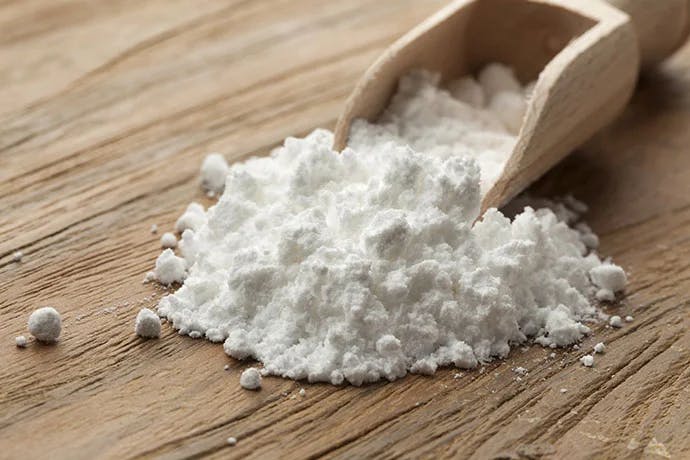
Micronized Castor Wax is a finely milled form of hydrogenated castor oil (castor wax) produced to a controlled particle size distribution. Micronization significantly improves dispersion, surface performance, and processing efficiency, making this product suitable for applications where uniform distribution, scratch resistance, and controlled rheology are required.

This product is typically selected where particle size consistency and predictable surface behavior are critical to formulation performance.


Manufacturing / Processing (High-Level)

Micronized Castor Wax is manufactured through:

  • Hydrogenation of castor oil to produce castor wax
  • Controlled micronization using specialized milling technology
  • Particle size classification to meet application-specific requirements

The process is designed to ensure narrow particle size distribution, minimal agglomeration, and consistent functional performance.


Raw Material Origin

The base material originates from castor oil derived from Indian castor seeds, sourced from established agricultural regions. Consistent raw material quality is essential for uniform wax hardness and micronization behavior.


In-House Quality Control & Consistency

Quality control focuses on:

  • Particle size distribution
  • Melting behavior and hardness
  • Dispersion characteristics

Each batch is evaluated to ensure repeatable performance in coatings, inks, and plastic systems.

Batch documentation supports traceability and long-term supply reliability.


Key Properties (Indicative)

  • Physical form: Fine powder
  • Color: White to off-white
  • Odor: Practically odorless
  • Solubility: Insoluble in water; dispersible in suitable systems
  • Functional behavior: Slip, scratch resistance, matting, rheology control

Typical ranges are indicative and should be confirmed with the Certificate of Analysis (COA).


Typical Applications

Micronized Castor Wax is used in:

  • Coatings & Paints: scratch resistance, matting, slip control
  • Inks & Overprint Varnishes: rub resistance and surface smoothness
  • Plastics & Masterbatches: processing aid and surface modification
  • Adhesives & Sealants: rheology control
  • Polishes & Specialty Formulations: texture and durability improvement

Application suitability depends on particle size selection and formulation design.


Packaging Options

  • HDPE bags with inner liner
  • Fiber drums
  • Customized export packaging on request

Packaging is selected to ensure dryness, particle integrity, and handling safety.


Bulk Supply & Export Readiness

Micronized Castor Wax is supplied in commercial and bulk quantities for domestic and international markets. The product is export-ready with standard documentation support.

Supply is managed on an inquiry basis, aligned with grade selection, volume, and shipment planning.


Quality Documentation

Available upon request:

  • Certificate of Analysis (COA)
  • Technical Data Sheet (TDS)
  • Safety Data Sheet (SDS)

Documentation is batch-specific, supporting buyer verification and audits.


Traceability & Batch Control

Each production lot carries a unique batch identification, enabling backward traceability to raw materials and processing records.


Who Should Use This Product

  • Coating and ink manufacturers requiring surface performance additives
  • Plastic processors seeking slip and scratch resistance
  • Formulators needing controlled rheology and dispersion

When to Use / When Not to Use

Use when:

  • Uniform wax dispersion and surface modification are required
  • Scratch resistance and slip control are important

Not recommended when:

  • Non-micronized or melt-addition waxes are preferred
  • Water solubility is required

Sample → Trial → Commercial Supply

Samples can be provided for laboratory or pilot-scale evaluation. Commercial supply follows successful trials and grade confirmation.


Frequently Asked Questions

Q1. How does micronized castor wax differ from regular castor wax?
Micronized castor wax offers better dispersion and surface performance due to its fine particle size.

Q2. Can different particle sizes be supplied?
Yes, particle size grades can be aligned with specific application needs.

Q3. Is it suitable for export markets?
Yes, it is supplied to international buyers with standard documentation.

Q4. Is long-term supply available?
Yes, with planned volumes and agreed specifications.


Long-Term Supply Perspective

Micronized Castor Wax is positioned as a performance-enhancing specialty additive, emphasizing particle consistency, documentation readiness, and predictable formulation behavior. It supports long-term sourcing strategies for coatings, inks, and plastics manufacturers.

Oxidized / Modified Castor Wax Product Overview

Oxidized / Modified Castor Wax Product Overview


Oxidized / Modified Castor Wax is a chemically altered form of hydrogenated castor oil (castor wax) produced through controlled oxidation or specific modification processes. These modifications enhance polarity, compatibility, and functional performance, making the wax suitable for applications where improved dispersion, adhesion, and surface properties are required compared to standard castor wax.

This product is typically used as a functional additive rather than a base raw material.


Manufacturing / Processing (High-Level)

Oxidized / Modified Castor Wax is manufactured through:

  • Controlled oxidation or chemical modification of hydrogenated castor oil
  • Adjustment of polarity and surface activity
  • Conditioning and particle control based on application needs

The process is designed to improve interaction with resins, polymers, and solvents, while maintaining wax hardness and thermal stability.


Raw Material Origin

The base material originates from castor oil derived from Indian castor seeds, processed into hydrogenated castor wax before modification. Raw material consistency is critical for uniform modification behavior and final wax performance.


In-House Quality Control & Consistency

Quality control focuses on:

  • Softening point and melting behavior
  • Acid value / polarity indicators
  • Dispersion and compatibility performance

Each batch is evaluated to ensure repeatable behavior in coatings, inks, and polymer systems.

Batch documentation supports traceability and long-term supply reliability.


Key Properties (Indicative)

  • Physical form: Powder / flakes
  • Color: White to off-white
  • Odor: Practically odorless
  • Solubility: Insoluble in water; improved compatibility with polar systems
  • Functional behavior: Surface modification, dispersion, rheology control

Typical ranges are indicative and should be confirmed with the Certificate of Analysis (COA).


Typical Applications

Oxidized / Modified Castor Wax is used in:

  • Coatings & Paints: improved dispersion, scratch resistance
  • Printing Inks: rub resistance and surface smoothness
  • Plastics & Masterbatches: compatibility and processing aid
  • Adhesives & Sealants: rheology modification
  • Polishes & Specialty Formulations: durability and texture improvement

Application suitability depends on degree of oxidation/modification and formulation design.


Packaging Options

  • HDPE bags with inner liner
  • Fiber drums
  • Customized export packaging on request

Packaging is selected to ensure product integrity, dryness, and handling safety.


Bulk Supply & Export Readiness

Oxidized / Modified Castor Wax is supplied in commercial and bulk quantities for domestic and international markets. The product is export-ready with standard documentation support.

Supply is managed on an inquiry basis, aligned with grade selection, volume, and shipment planning.


Quality Documentation

Available upon request:

  • Certificate of Analysis (COA)
  • Technical Data Sheet (TDS)
  • Safety Data Sheet (SDS)

Documentation is batch-specific, supporting buyer verification and audits.


Traceability & Batch Control

Each production lot carries a unique batch identification, enabling backward traceability to raw materials and processing records.


Who Should Use This Product

  • Coating and ink manufacturers requiring enhanced wax compatibility
  • Plastic processors seeking modified surface additives
  • Formulators needing improved dispersion and adhesion

When to Use / When Not to Use

Use when:

  • Standard castor wax shows poor compatibility
  • Improved polarity and dispersion are required

Not recommended when:

  • Non-modified wax performance is sufficient
  • Water solubility is required

Sample → Trial → Commercial Supply

Samples can be provided for laboratory or pilot-scale evaluation. Commercial supply follows successful trials and grade confirmation.


Frequently Asked Questions

Q1. How does oxidized castor wax differ from regular castor wax?
Oxidized castor wax offers better polarity and compatibility, improving dispersion in various systems.

Q2. Can the degree of modification be customized?
Yes, modification levels can be aligned with specific application requirements, subject to feasibility.

Q3. Is it suitable for export markets?
Yes, it is supplied to international buyers with standard documentation.

Q4. Is long-term supply possible?
Yes, with planned volumes and agreed specifications.


Long-Term Supply Perspective

Oxidized / Modified Castor Wax is positioned as a performance-enhancing specialty wax, emphasizing consistent modification, documentation readiness, and predictable formulation behavior. It supports long-term sourcing strategies for coatings, inks, and plastics manufacturers.

Castor-Based Polyamide Resin Product Overview

Image


Castor-Based Polyamide Resin Product Overview

Castor-Based Polyamide Resin is a bio-based engineering polymer produced using castor oil–derived monomers as a renewable raw material source. It combines the mechanical strength and chemical resistance of polyamides with the advantages of renewable origin, flexibility, and lower environmental footprint.

This resin is typically selected for applications requiring durability, thermal stability, and consistent performance, while also meeting sustainability and bio-content objectives.


Manufacturing / Processing (High-Level)

Castor-Based Polyamide Resin is manufactured through controlled polycondensation reactions using castor-derived intermediates such as sebacic acid and diamines. The process is designed to:

  • Achieve uniform molecular weight distribution
  • Control melting point and mechanical behavior
  • Ensure stable polymer structure

The finished resin is supplied in pellet or granule form, suitable for standard polymer processing techniques.


Raw Material Origin

The primary raw materials originate from castor oil derived from Indian castor seeds, making the resin partially bio-based and renewable. Raw material consistency is critical for stable polymerization and predictable resin properties.


In-House Quality Control & Consistency

Quality control focuses on:

  • Melt flow and viscosity characteristics
  • Mechanical strength indicators
  • Thermal behavior and stability

Each production batch is evaluated to ensure repeatable processing and end-use performance.

Batch documentation supports traceability and long-term supply continuity.


Key Properties (Indicative)

  • Physical form: Pellets / granules
  • Color: Natural to off-white
  • Odor: Neutral
  • Processing behavior: Suitable for extrusion and molding
  • Functional behavior: Strength, flexibility, chemical resistance

Typical ranges are indicative and should be confirmed with the Certificate of Analysis (COA).


Typical Applications

Castor-Based Polyamide Resin is used in:

  • Automotive Components: tubing, connectors, under-the-hood parts
  • Electrical & Electronics: housings and insulation components
  • Industrial Goods: gears, fittings, mechanical parts
  • Consumer Products: durable molded components
  • Specialty Applications: where bio-based content is preferred

Application suitability depends on grade selection and processing conditions.


Packaging Options

  • Moisture-proof bags
  • Jumbo bags
  • Customized bulk packaging on request

Packaging is selected to maintain resin dryness and processing integrity.


Bulk Supply & Export Readiness

Castor-Based Polyamide Resin is supplied in commercial and bulk quantities for domestic and international markets. The product is export-ready and supported with standard documentation.

Supply is managed on an inquiry basis, aligned with grade selection, volume planning, and shipment schedules.


Quality Documentation

Available upon request:

  • Certificate of Analysis (COA)
  • Technical Data Sheet (TDS)
  • Safety Data Sheet (SDS)

Documentation is batch-specific, supporting buyer audits and verification.


Traceability & Batch Control

Each production lot carries a unique batch identification, enabling backward traceability to raw materials and polymerization records.


Who Should Use This Product

  • Manufacturers seeking bio-based engineering plastics
  • Buyers requiring durable and high-performance polyamides
  • Industries aiming to reduce fossil-based material dependency

When to Use / When Not to Use

Use when:

  • Mechanical strength and chemical resistance are required
  • Renewable raw material content is a priority

Not recommended when:

  • Fully petroleum-based polymers are mandated by specification
  • Ultra-low cost commodity plastics are sufficient

Sample → Trial → Commercial Supply

Samples can be provided for processing trials and application testing. Commercial supply follows successful evaluation and mutual grade confirmation.


Frequently Asked Questions

Q1. Is this resin fully bio-based?
It is partially bio-based, derived from castor oil–based intermediates.

Q2. Can it be processed on standard equipment?
Yes, it is compatible with standard polyamide processing methods.

Q3. Is export supply available?
Yes, it is supplied to international buyers with standard documentation.

Q4. Is long-term supply possible?
Yes, subject to volume planning and agreed specifications.


Long-Term Supply Perspective

Castor-Based Polyamide Resin is positioned as a sustainable, performance-oriented polymer, emphasizing consistent quality, documentation readiness, and predictable processing behavior. It supports long-term sourcing strategies for manufacturers seeking renewable material solutions.

Bio-Lubricant Base Oils (Castor-based) Product Overview


Image

Bio-Lubricant Base Oils (Castor-based) Product Overview

Bio-Lubricant Base Oils (Castor-based) are renewable, ester-rich base fluids derived from castor oil and its intermediates. They are engineered to deliver high lubricity, strong film strength, and excellent viscosity–temperature behavior, while offering biodegradability and reduced environmental impact compared to mineral oils.

These base oils are selected for applications where performance, sustainability, and regulatory awareness must coexist.


Manufacturing / Processing (High-Level)

Castor-based bio-lubricant base oils are produced through controlled chemical modification and esterification of castor oil–derived fatty acids and alcohols. Processing focuses on:

  • Tailoring viscosity grades
  • Enhancing oxidative and thermal stability
  • Improving low-temperature flow and lubricity

Finishing steps ensure clean chemistry and predictable base-oil performance.


Raw Material Origin

The primary raw material originates from castor oil derived from Indian castor seeds. Consistent agricultural sourcing supports stable ester chemistry and repeatable lubricant behavior.


In-House Quality Control & Consistency

Quality control emphasizes viscosity index, acidity, moisture, and oxidation stability, which are critical for lubricant performance. Each batch is evaluated to ensure repeatable behavior across operating temperatures and load conditions.

Batch records support traceability and long-term supply continuity.


Key Properties (Indicative)

  • Appearance: Clear to pale yellow liquid
  • Odor: Mild, characteristic
  • Viscosity behavior: High viscosity index
  • Lubricity: Excellent boundary lubrication
  • Biodegradability: High (castor-based origin)

Typical ranges are indicative and should be confirmed with the Certificate of Analysis (COA).


Typical Applications

Castor-based Bio-Lubricant Base Oils are used in:

  • Industrial Lubricants: gear oils, circulating oils
  • Metalworking Fluids: cutting and forming lubricants
  • Hydraulic Fluids: environmentally sensitive applications
  • Greases: ester base fluid component
  • Specialty Lubricants: where biodegradability is required

Application suitability depends on formulation design and performance targets.


Packaging Options

  • HDPE drums
  • MS drums
  • IBCs
  • Bulk tanker supply for large-volume buyers

Packaging is selected to ensure handling safety, storage stability, and export readiness.


Bulk Supply & Export Readiness

Bio-Lubricant Base Oils are supplied in commercial and bulk quantities for domestic and international markets. The products are export-ready with standard documentation support.

Supply is managed on an inquiry basis, aligned with viscosity grade selection, volume planning, and shipment schedules.


Quality Documentation

Available upon request:

  • Certificate of Analysis (COA)
  • Technical Data Sheet (TDS)
  • Safety Data Sheet (SDS)

Documentation is batch-specific, supporting audits and buyer verification.


Traceability & Batch Control

Each production lot carries a unique batch identification, enabling backward traceability and consistent quality across repeat orders.


Who Should Use This Product

  • Lubricant manufacturers seeking bio-based base oils
  • Buyers operating in environmentally sensitive zones
  • Industries requiring high-lubricity ester base fluids

When to Use / When Not to Use

Use when:

  • Biodegradability and renewability are priorities
  • High lubricity and viscosity stability are required

Not recommended when:

  • Ultra-low-cost mineral oils are acceptable substitutes
  • Water-based lubrication systems are required

Sample → Trial → Commercial Supply

Samples can be provided for laboratory and pilot-scale lubricant formulation trials. Commercial supply follows successful evaluation and mutual specification confirmation.


Frequently Asked Questions

Q1. Are these base oils fully biodegradable?
They offer high biodegradability due to castor-based ester chemistry.

Q2. Can different viscosity grades be supplied?
Yes, viscosity grades can be tailored based on application needs.

Q3. Are they suitable for export markets?
Yes, they are regularly supplied to international buyers with standard documentation.

Q4. Is long-term supply available?
Yes, with planned volumes and agreed specifications.


Long-Term Supply Perspective

Castor-based Bio-Lubricant Base Oils are positioned as performance-driven, sustainable alternatives to mineral base oils, emphasizing consistent ester chemistry, documentation readiness, and predictable lubricant behavior. They support long-term sourcing strategies for modern lubricant manufacturers.

Vegetable Glycerine (Castor-derived) Product Overview

Vegetable Glycerine (Castor-derived) Product Overview

Vegetable Glycerine (Castor-derived) is a high-purity, bio-based polyol obtained as a co-product during the processing of castor oil and its derivatives. It is valued for its humectant properties, chemical stability, and broad formulation compatibility, making it suitable for pharmaceutical, cosmetic, food-related (non-animal), and industrial applications, subject to grade and regulatory requirements.

This product is typically selected where consistent purity, renewable origin, and predictable performance are essential.


Manufacturing / Processing (High-Level)

Castor-derived Vegetable Glycerine is produced through:

  • Splitting / transesterification of castor oil–based feedstocks
  • Separation of crude glycerine
  • Multi-stage refining and purification to remove salts, color bodies, and residual impurities

Processing is designed to achieve stable glycerol concentration, low odor, and consistent clarity, suitable for sensitive downstream applications.


Raw Material Origin

The glycerine originates from castor oil derived from Indian castor seeds, sourced from established agricultural regions. Renewable feedstock sourcing ensures traceable, plant-based origin and consistent quality.


In-House Quality Control & Consistency

Quality control focuses on:

  • Glycerol content and purity
  • Moisture and ash control
  • Color, clarity, and odor

Each batch is evaluated against defined internal parameters to ensure repeatable performance across formulations.

Batch documentation supports traceability and long-term supply reliability.


Key Properties (Indicative)

  • Appearance: Clear, colorless, viscous liquid
  • Odor: Practically odorless
  • Taste: Slightly sweet (grade-dependent)
  • Solubility: Miscible with water and alcohols
  • Functional behavior: Humectant, solvent, plasticizer

Typical ranges are indicative and should be confirmed with the Certificate of Analysis (COA).


Typical Applications

Vegetable Glycerine (Castor-derived) is used across multiple industries, including:

  • Pharmaceuticals: syrups, excipients, topical formulations
  • Cosmetics & Personal Care: creams, lotions, toothpaste, soaps
  • Food & Nutraceuticals: formulations requiring plant-based glycerine (as per regulations)
  • Industrial Applications: resins, plasticizers, antifreeze blends
  • Specialty Chemicals: solvent and intermediate uses

Application suitability depends on grade selection and regulatory compliance.


Packaging Options

  • HDPE drums
  • MS drums
  • IBCs
  • Bulk tanker supply for high-volume buyers

Packaging is selected to maintain product purity, moisture control, and export safety.


Bulk Supply & Export Readiness

Castor-derived Vegetable Glycerine is supplied in commercial and bulk quantities for domestic and international markets. The product is export-ready and supported with standard documentation.

Supply is managed on an inquiry basis, aligned with grade requirements, volume planning, and shipment schedules.


Quality Documentation

Available upon request:

  • Certificate of Analysis (COA)
  • Technical Data Sheet (TDS)
  • Safety Data Sheet (SDS)

Documentation is batch-specific, supporting audits, regulatory checks, and buyer verification.


Traceability & Batch Control

Each production lot carries a unique batch identification, enabling backward traceability to raw materials and refining records.


Who Should Use This Product

  • Pharmaceutical and cosmetic manufacturers
  • Buyers requiring plant-based glycerine
  • Industrial processors seeking renewable polyols

When to Use / When Not to Use

Use when:

  • Renewable, vegetable-origin glycerine is required
  • Humectant and solvent properties are important

Not recommended when:

  • Synthetic or petro-based glycerine is specified
  • Non-refined crude glycerine is acceptable

Sample → Trial → Commercial Supply

Samples can be provided for laboratory evaluation and formulation trials. Commercial supply follows successful validation and mutual specification confirmation.


Frequently Asked Questions

Q1. Is this glycerine fully plant-based?
Yes, it is derived from castor oil–based renewable feedstocks.

Q2. Can different purity grades be supplied?
Yes, grades can be aligned with pharmaceutical, cosmetic, or industrial requirements.

Q3. Is it suitable for export markets?
Yes, it is regularly supplied to international buyers with standard documentation.

Q4. Is long-term supply available?
Yes, subject to planned volumes and agreed specifications.


Long-Term Supply Perspective

Vegetable Glycerine (Castor-derived) is positioned as a reliable, renewable, high-purity polyol, emphasizing batch consistency, documentation readiness, and predictable formulation behavior. It supports long-term sourcing strategies for regulated and industrial markets.

How to Choose the Right Castor Oil Grade for Your Product: FSG, PPG, FPD & More

Tall plant with spiky seed podsBeaker of castor oil with seeds
Nova Industries — Castor Oil & Derivatives: Full Product, Quality and Export Guide

Nova Industries manufactures and exports high-purity castor oil and a full range of castor-derived products from Gujarat, India. This guide gives buyers the technical specifications, packaging and handling details, export and logistics guidance, and seasonal sourcing information you need to evaluate, qualify, and buy from us with confidence.

Understanding the different Castor Oil Grades and their specifications is crucial for making informed purchasing decisions. Each grade offers unique properties that suit various applications.

When selecting products, it’s essential to understand the various Castor Oil Grades available in the market. Different Castor Oil Grades can significantly impact the quality and application of your final product.

Quick company reference (for buyers)

Nova Industries — Manufacturing base: Palanpur, Banaskantha district, Gujarat, India. Contact for samples and commercial enquiries: export@novaind.in. (Use the TDS/COA referenced with each sample.) (Novaind)


Technical specifications — how we present product data (what you’ll receive)

Each product is shipped with a product-specific Technical Data Sheet (TDS), Certificate of Analysis (COA) and Safety Data Sheet (SDS). Typical analytical parameters we provide (examples below show commonly accepted industry specification ranges you will see on a Nova COA; exact batch numbers are supplied per shipment):

Typical Castor Oil Grades include industrial, pharmaceutical, and cosmetic grades, all of which serve different needs in the market.

Typical castor oil analytical fields (replace with batch values from Nova COA):

  • Appearance: pale yellow to amber, clear viscous liquid.
  • Ricinoleic acid: ~85–92% (industry-typical range for high-quality grades).
  • Hydroxyl value: ~160–168 mg KOH/g (product dependent).
  • Acid value: ≤1.5–2.0 mg KOH/g (grade dependent; pharmaceutical grades tighter).
  • Viscosity @25 °C: grade dependent (typical castor oil 700–1000 cSt range).
  • Moisture & Volatile Matter: ≤0.25% (target for export grades).

For hydrogenated, dehydrated, esters and flakes (HCO, 12-HSA, methyl esters), TDS entries include melting point / softening point, ester value, iodine value (when relevant), and purity by GC/GC-MS. Nova supplies a signed COA for each batch.

The choice of Castor Oil Grades affects not just the product quality but also compliance with industry standards, making it vital to choose appropriately.


Packaging & labelling (export-ready)

Liquid products:

  • 200–225 kg HDPE export drums (palletized, shrink-wrapped) — standard and widely accepted.
  • IBC (1,000 L) for intermediate domestic movement and certain cross-dock operations.
  • Flexi-tank or ISO tank for large volume shipments (cost-efficient for ≥10–12 MT).

Solid products & by-products:

  • 25/50 kg HDPE-lined woven bags, 500–1,000 kg FIBC (jumbo), palletized and moisture-proof.

Label information on every package: product name, grade, batch/lot number, net/gross weight, TDS/COA reference, manufacturer & emergency contact. These packaging formats and practices align with industry norms for oleochemicals and castor products.

Each Castor Oil Grade must be clearly labeled to ensure that all safety and quality parameters are met, especially during export.


Handling, safety and storage (practical buyer guidance)

When handling various Castor Oil Grades, it is essential to maintain proper storage conditions to preserve their characteristics.

Handling:

  • Use standard chemical PPE — goggles, nitrile gloves, chemical-resistant apron. Prevent contact with skin and eyes. For flakes/powders, avoid dust generation and use local extraction venting where possible.

Storage:

  • Store in a cool, dry, ventilated warehouse; protect from direct sunlight and moisture. Ideal ambient range: 15–30 °C depending on the product (specialty esters and pharmaceutical grades may have narrower recommendations on the TDS). Use pallets to keep drums/bags off the floor and follow FIFO inventory practice.

Shelf life:

  • Subject to grade and storage: typical castor oils 12–24 months when stored per TDS instructions; specialty derivatives have sealed-container shelf lives noted on the TDS.

Export documentation & compliance (what Nova supplies)

For every international shipment Nova supplies:

Proper documentation reflecting the Castor Oil Grades supplied ensures transparency and compliance for all international shipments.

  • Commercial Invoice
  • Export Packing List
  • Shipping Bill / Bill of Export (Indian Customs filing)
  • Bill of Lading (sea) or Air Waybill (air)
  • Certificate of Analysis (COA) — batch specific
  • Technical Data Sheet (TDS) and Safety Data Sheet (SDS)
  • Certificate of Origin (self-declaration or chamber attested on request)

REACH & EU notes

Many castor-derived substances are covered under EU chemical regulation (REACH). Some castor fatty acid derivatives qualify for Annex V exemptions in specific conditions; nevertheless EU buyers commonly request REACH-related dossiers or distributor statements. Nova provides necessary REACH/chemical inventory support documents on request to ease EU compliance checks.

EU compliance for imported Castor Oil Grades can be complex; thus, maintaining proper records and documentation is crucial.


Logistics: factory location, nearest ports, distances (verified)

Factory: Palanpur, Banaskantha district, Gujarat (Nova Industries public listing). (Novaind)

Understanding logistics for the different Castor Oil Grades will help streamline the supply chain and ensure timely deliveries.

Nearest major export ports (practical choices for container & bulk):

  • Mundra Port (Adani / Mundra) — most exporters from North Gujarat use Mundra for container & bulk; typical driving distance from Palanpur ≈ 350–365 km (~6–7 hours depending on route and traffic).
  • Deendayal (Kandla) / Kandla Port — another major northwest Gujarat port; straight-line approx. 259 km (driving ~315–320 km); common alternative depending on freight and service.

Nearest reliable international airport for buyer visits:

  • Ahmedabad (Sardar Vallabhbhai Patel International Airport, AMD) — approximately 120–150 km from Palanpur by road (typical drive time 2.5–3.5 hours depending on traffic and route). Use Ahmedabad for international arrivals and freight consolidation.

(Exact door-to-port routing, ETAs and transit times will be included with each PI and booking confirmation.)


Sourcing season (important for procurement planning)

Castor in India is primarily a Kharif crop: sowing typically occurs June–July (monsoon window) and harvest begins December–January; market arrivals continue through April–May. Gujarat is the largest producing state, which helps secure raw-material availability for Indian processors — but prices and availability are seasonal, so buyers should plan contracts around the harvest window to reduce volatility. (Jmbaxi)

Buyers should consider the seasonal availability of Castor Oil Grades to optimize procurement strategies and mitigate risks.

Buyer tip: for annual requirements, negotiate forward contracts or staggered shipments around the January–May arrival window to lock price and availability.


Sample policy (how to request)

Nova supplies:

Request samples for various Castor Oil Grades to evaluate their suitability for your specific applications before making bulk orders.

  • Lab/R&D samples: 250 g – 1 kg (air/courier)
  • Evaluation samples: 5 – 50 kg trial drums (air or sea depending on urgency)
  • Pilot/bulk trial: small drum loads or flexi-tank partial loads as requested

Ask for samples at export@novaind.in and include product name, intended application, and destination (so Nova can recommend the right grade and documentation).


Final checklist for procurement (quick)

Confirming the Castor Oil Grades with your supplier is essential to ensure that all product specifications are met.

  • Request sample + batch COA.
  • Confirm grade (FSG / PP / PPG / FPD / CCO / HCO / DCO / esters).
  • Confirm packaging and palletization.
  • Confirm Incoterms and lead time; request full document list early.
  • Check destination regulatory requirements (REACH, phytosanitary) — request any certificates before shipment.
  • For large volumes, request flexi-tank or ISO tank options and negotiate shipping rates to Mundra/Kandla.

Sources & verification (selected)

  1. Nova Industries — company & product listing. (Novaind)
  2. Road distances & travel times Palanpur → Mundra / Kandla / Ahmedabad (routing & distance references). (Yatra.com)
  3. Indian castor season & market arrival timing (industry/commodity analyses). (Jmbaxi)
  4. Indian export documentation guidance (DGFT / “How to Export” & customs lists). (DGFT Content)

    [wpforms id=”7″]

How Global Buyers Build a Long-Term Castor Oil Sourcing Strategy

Short-term buying works for commodities.
Castor oil and castor-based derivatives are not bought that way by serious global buyers.
Instead, experienced procurement teams design long-term sourcing strategies focused on continuity, risk reduction, and technical stability.

This article explains how buyers plan castor oil sourcing over multiple years, without repeating product details, grades, or manufacturing explanations covered earlier.


1. Buyers Start with Risk Mapping, Not Price Comparison

Before requesting quotations, buyers internally assess:

  • Supply disruption risk
  • Seasonal raw material exposure
  • Dependence on single processors
  • Regulatory or documentation sensitivity

Price is considered only after suppliers pass this risk screen.


2. Supplier Consolidation Is Intentional

Rather than spreading volume across many vendors, buyers often reduce supplier count.

Why?

  • Fewer qualification cycles
  • Consistent documentation formats
  • Better forecasting alignment
  • Faster issue resolution

A smaller number of technically aligned suppliers reduces operational noise.


3. Contract Sourcing Replaces Spot Buying

Long-term buyers shift from spot purchases to:

  • Volume-based contracts
  • Forecast-linked production planning
  • Agreed quality windows instead of one-off specs

This improves:

  • Batch consistency
  • Lead-time predictability
  • Mutual investment in process control

4. Dual-Sourcing Is About Resilience, Not Leverage

Dual-sourcing is often misunderstood as a price tactic.
In reality, it is used to:

  • Protect against force-majeure events
  • Cover seasonal variability
  • Maintain continuity during maintenance shutdowns

However, both suppliers must be technically interchangeable, not just spec-compliant.


5. Forecast Transparency Improves Supply Quality

Buyers who share rolling forecasts see better outcomes:

  • Suppliers plan raw material procurement earlier
  • Production runs become more stable
  • Last-minute deviations decrease

In contrast, unpredictable ordering increases variability—even from good suppliers.


6. Long-Term Relationships Reduce Hidden Costs

Over time, stable sourcing relationships reduce:

  • Re-qualification effort
  • Internal testing frequency
  • Emergency shipments
  • Documentation mismatches

These savings rarely appear on invoices—but significantly impact total cost of ownership.


7. Why Location and Integration Matter in Strategy

Buyers factor in:

  • Proximity to raw material origin
  • Depth of processing control
  • Export experience

Manufacturers based in India’s castor ecosystem—such as Nova Industries—fit well into long-term strategies due to integrated sourcing, processing, and export capability.


8. Strategy Evolves with Business Growth

As buyers scale, sourcing strategy shifts:

  • From flexibility → predictability
  • From price focus → performance focus
  • From vendor switching → partnership management

Castor oil sourcing becomes a supply-chain function, not a purchase transaction.


Conclusion

Long-term sourcing of castor oil and derivatives is built on planning, consistency, and supplier alignment—not opportunistic buying.

Buyers who treat castor oil as a strategic input, rather than a commodity, achieve:

  • Stable formulations
  • Predictable operations
  • Lower long-term risk

A well-designed sourcing strategy is not about paying less—it is about operating better.

Castor Oil Derivatives Are Not Commodities: Understanding Functional Chemistry

In many procurement systems, castor oil derivatives are treated like interchangeable raw materials—ordered by specification, compared by price, and replaced easily.
In reality, castor-based materials behave as functional chemicals, where small differences in structure and processing lead to significant differences in performance.

This article explains why castor oil derivatives cannot be treated as commodities, without repeating product descriptions, grade details, or manufacturing processes already covered elsewhere.


1. Commodity Chemicals vs Functional Chemicals

Commodity chemicals are defined by:

  • Simple molecular structures
  • Narrow functional roles
  • Easy substitution between suppliers

Castor oil derivatives, by contrast, function through:

  • Molecular polarity
  • Hydroxyl functionality
  • Controlled reactivity
  • Interaction with other formulation components

This places them firmly in the category of functional specialty inputs, not interchangeable commodities.


2. Why the Hydroxyl Group Changes Everything

The naturally occurring hydroxyl group in castor-based molecules creates:

  • Higher polarity
  • Stronger intermolecular interactions
  • Unique solubility behavior

This affects:

  • Lubricity
  • Thickening efficiency
  • Film formation
  • Compatibility with additives and resins

Small changes in how this functionality is preserved or modified can alter downstream performance—even if headline specifications remain unchanged.


3. Performance Emerges from Control, Not Chemistry Alone

Two suppliers may produce the same derivative, but performance differs due to:

  • Degree of conversion during modification
  • Control over side reactions
  • Purification efficiency
  • Consistency across batches

These factors shape how the material behaves in real-world formulations, not just how it looks on paper.


4. Why Substitution Often Fails Quietly

When buyers substitute castor oil derivatives based solely on price or availability, failures often appear gradually:

  • Reduced shelf-life
  • Increased sensitivity to temperature
  • Minor processing delays
  • Gradual drift in finished product quality

Because these issues are incremental, they are often misattributed—until the formulation becomes unstable.


5. How Experienced Buyers Treat Castor Derivatives

Instead of sourcing them as commodities, experienced buyers:

  • Qualify suppliers, not just products
  • Evaluate repeatability, not just trial success
  • Track long-term performance trends
  • Align grade choice with application risk

This mindset shift reduces rework, reformulation, and supply disruptions.


6. Functional Value Over Unit Price

While unit price differences are visible, functional value determines:

  • Processing efficiency
  • Production uptime
  • Customer acceptance
  • Brand and regulatory risk

Over time, buyers discover that functional stability costs less than repeated correction.


7. Why Integrated Manufacturers Deliver Functional Reliability

Manufacturers with deeper control over sourcing, processing, and testing are better positioned to maintain functional consistency.

Companies such as Nova Industries, operating within India’s castor ecosystem, are structurally aligned to treat castor derivatives as performance materials, not commodities.


Conclusion

Castor oil derivatives are not interchangeable inputs.
They are functional chemical systems whose performance depends on molecular integrity, process discipline, and long-term consistency.

Buyers who recognize this distinction build more resilient formulations and supply chains—while those who treat castor derivatives as commodities often pay the price later.

The Hidden Cost of Wrong Castor Oil Grade Selection

In global sourcing of castor oil and castor-based derivatives, the most expensive problems are rarely visible on the invoice.
They appear later—as QC rejections, reformulation cycles, production downtime, and lost market confidence.

This article explains the real cost of choosing the wrong castor oil grade, without repeating product descriptions, specifications, or manufacturing details already covered elsewhere.


1. Price Is Visible; Risk Is Not

Buyers often compare grades based on price per kilogram, assuming that lower grades can be “adjusted” during processing.
What is overlooked is the cumulative operational risk introduced by wider variability.

Lower upfront cost can quietly convert into:

  • Higher internal testing frequency

  • Increased rejection rates

  • Additional filtration or correction steps

These costs are rarely tracked against the raw material itself—but they accumulate quickly.


2. QC Rejections Are the First Warning Sign

Quality control failures are not always dramatic. Often they appear as:

  • Borderline results requiring re-testing

  • Temporary release holds

  • Conditional approvals

Each incident consumes time, manpower, and production slots.
Repeated occurrences indicate grade mismatch, not bad luck.


3. Reformulation Costs Are Often Underestimated

When a grade does not perform consistently, formulators compensate by:

  • Adjusting ratios

  • Adding stabilizers

  • Modifying process conditions

While this may “fix” the problem temporarily, it creates:

  • Loss of formulation robustness

  • Increased sensitivity to future batches

  • Higher dependency on technical intervention

Over time, the formulation becomes fragile instead of stable.


4. Production Downtime Is the Most Expensive Outcome

Downtime triggered by raw material inconsistency affects:

  • Batch scheduling

  • Equipment utilization

  • Delivery commitments

Unlike raw material cost differences, downtime costs multiply across the entire operation, impacting teams far beyond procurement.


5. Export Markets Penalize Inconsistency More Severely

For export-oriented products, inconsistency has amplified consequences:

  • Failed pre-shipment inspections

  • Customer complaints

  • Loss of approved-supplier status

Once confidence is lost in international markets, regaining approval often requires re-qualification, not just replacement material.


6. Why Over-Specification Is Also a Cost

Choosing a grade that exceeds actual requirements can:

  • Increase material cost without functional benefit

  • Introduce unnecessary regulatory complexity

  • Limit sourcing flexibility

Smart buyers avoid both extremes—under-specification and over-specification—by aligning grade choice with actual application risk.


7. How Experienced Buyers Calculate “True Cost”

Experienced procurement teams evaluate:

  • Rejection probability

  • Batch-to-batch variation

  • Technical support load

  • Long-term supply stability

They recognize that a grade with slightly higher unit cost but lower operational volatility often delivers the lowest total cost of ownership.


8. Where Grade Selection Strategy Makes the Difference

Strategic grade selection:

  • Stabilizes formulations

  • Reduces internal firefighting

  • Improves supplier relationships

  • Supports scale-up and long-term contracts

Manufacturers such as Nova Industries typically support buyers in aligning grade choice with application risk, helping avoid hidden downstream costs.


Conclusion

The cost of wrong castor oil grade selection is rarely visible at purchase—but it is always paid later.
Buyers who evaluate grades based on risk profile, consistency, and lifecycle impact achieve smoother operations and more reliable supply chains.

Choosing the right grade is not about paying more—it is about losing less.