
End-to-End Process Control from Seed to Shipment

Methyl 12-Hydroxy Stearate (M12HSA): Technical Properties and Industrial Applications

1. Technical Overview

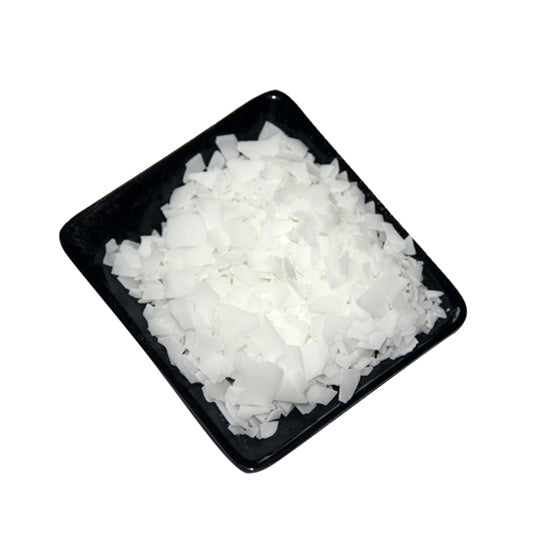
Methyl 12-Hydroxy Stearate (Methyl 12-HSA or M12HSA) is a methyl ester derived from the esterification of 12-Hydroxy Stearic Acid or the transesterification of Hydrogenated Castor Oil.1 It is a waxy, white solid at room temperature that melts into a low-viscosity liquid.2 In industrial R&D, M12HSA is highly valued as a high-purity chemical intermediate. Compared to 12-HSA acid, the methyl ester version offers a lower melting point and superior solubility in organic phases, making it an ideal choice for the production of high-performance lithium complex greases, high-end cosmetics, and as a specialized lubricant in plastic processing.

2. Chemical Structure & Composition

M12HSA is the methyl ester of 12-hydroxystearic acid (3$C_{19}H_{38}O_3$).4 Its structure consists of a long 18-carbon saturated chain with a hydroxyl group at the C12 position and a methoxy group at the carboxyl end.

  • Methyl 12-Hydroxystearate Content: Minimum 85-88%.

  • Saturated Esters: Balanced distribution of methyl stearate and methyl palmitate.

  • Functional Sites: Retains the secondary hydroxyl group for further chemical modifications.

The esterification of the carboxyl group reduces the molecular polarity compared to the free acid, allowing for better dispersion in non-polar hydrocarbon systems.

3. Physical & Chemical Properties

  • Appearance: White to off-white waxy solid (flakes or blocks).5

  • Melting Point: 48°C to 52°C (significantly lower than the 75°C of 12-HSA).

  • Solubility: Excellent solubility in alcohols, esters, and aromatic hydrocarbons when heated. Insoluble in water.

  • Acid Value: Very low (<5.0 mg KOH/g), indicating a near-complete conversion of the acid to the ester.

  • Iodine Value: Low (<5.0), ensuring high oxidative and thermal stability.

4. Reaction Chemistry

The methyl ester group provides a strategic advantage in chemical processing:

  1. Transesterification: Reacts efficiently with other alcohols or polyols to create specialized lubricants and emollients.

  2. Saponification (Grease Cooking): In the production of lithium greases, M12HSA reacts with lithium hydroxide. The release of methanol (instead of water) during this reaction allows for faster “de-watering” and more efficient soap fiber formation.

  3. Hydroxyl Modification: The C12 hydroxyl group can be further reacted with isocyanates to produce specialized polyurethane additives.

5. When to Use vs. When NOT to Use

Use Methyl 12HSA when:

  • Manufacturing high-performance lubricants where a low-acid, high-purity intermediate is required.

  • Formulating cosmetic “sticks” or creams that require a waxy component with a melting point near body temperature.

  • Producing specialized plastic additives that require an ester-based internal lubricant.

Do NOT use Methyl 12HSA when:

  • The process cannot accommodate the release of methanol (the byproduct of saponification).

  • A high-viscosity “acid-thickened” system is required (use 12-HSA instead).

  • The application requires a liquid at room temperature (use Ricinoleic acid or Castor Oil instead).

6. Compatibility Profile

M12HSA exhibits excellent compatibility with:

  • Waxes: Paraffin, Microcrystalline, and Carnauba waxes.

  • Oils: Mineral oils, PAO, and synthetic esters.

  • Polymers: PVC, Polystyrene, and various elastomers.

7. Manufacturing Process (Product Focus)

The production of M12HSA at Nova Industries involves:

  1. Esterification: Reacting high-purity 12-HSA with methanol in the presence of an acid catalyst.6

  2. Refining: Multi-stage washing to remove residual catalyst and unreacted methanol.

  3. Vacuum Distillation: Advanced distillation ensures the removal of heavy ends and color-causing impurities.

  4. Solidification: The molten ester is cooled and flaked for easy handling and dosing.

8. Technical Specifications Table

Parameter Specification (Methyl 12-HSA)
Appearance White to Off-White Waxy Flakes
Melting Point (°C) 48 – 52°C
Acid Value (mg KOH/g) 5.0 Max
Iodine Value (g I2/100g) 5.0 Max
Saponification Value 175 – 185
Hydroxyl Value 150 – 160
Color (Gardner) 2.0 Max

9. Quality Grade Analysis

Nova Industries monitors the Acid Value and Hydroxyl Value as critical quality markers. A high acid value indicates incomplete esterification, which can interfere with the performance of M12HSA in sensitive cosmetic formulations or high-end lubricants. Our vacuum distillation process ensures a consistently low acid value and a very light color.

10. Impact of Impurities

  • Residual Methanol: If present, it poses a safety risk due to a lowered flash point and can cause odor issues.

  • Unreacted 12-HSA: Can cause the melting point to be inconsistent and affect the solubility of the product in oil phases.

11. Industry-Wise Application 1: Lubricant Greases

M12HSA is a premium alternative to 12-HSA for Lithium Complex Greases. Because it is a methyl ester, the saponification reaction is more controlled and the resulting soap fibers are often finer, leading to greases with improved mechanical stability and better low-temperature performance.

12. Industry-Wise Application 2: Cosmetics & Personal Care

In lipsticks, deodorants, and skin creams, M12HSA acts as an emollient and structural agent. Its melting point (near 50°C) allows it to provide a smooth “glide” upon application while maintaining the stick’s integrity at room temperature.

13. Industry-Wise Application 3: Plastics & Polymers

Used as an internal lubricant and mold release agent for engineering plastics. It improves the surface gloss and reduces the friction of the polymer melt during processing.

14. Industry-Wise Application 4: Chemical Intermediates

A building block for the synthesis of various specialized surfactants, amides, and esters used in the textile and leather industries.

15. Formulation Guide

  • Grease Cooking: When reacting M12HSA with Lithium Hydroxide, ensure the reaction vessel is equipped with a condenser to safely capture and recover the released methanol.

  • Cosmetic Blending: Melt M12HSA with other waxes and oils at ~60°C to ensure a homogenous phase before cooling.

16. Sustainability Data

Methyl 12-HSA is a bio-based product derived from renewable castor oil.7 It offers a high degree of biodegradability and helps manufacturers increase the renewable carbon content of their final products.

17. Packaging & Logistics (Technical)

  • Standard: 25kg Paper/HDPE Bags with moisture-proof liners.

  • Bulk: 500kg or 1000kg Jumbo Bags.

  • Logistics: Classified as non-hazardous for transport. Due to its 50°C melting point, it should be kept away from high-heat areas to prevent “caking.”

18. Storage Science

M12HSA should be stored in a cool, dry environment.8 While stable, it can undergo minor hydrolysis if exposed to moisture for extended periods, which would increase the acid value. Stainless steel or epoxy-lined containers are recommended for handling the molten material.

19. Troubleshooting Guide

  • Problem: Clumping of flakes in the bag. Solution: Store in a temperature-controlled warehouse below 35°C; ensure bags are not stacked too high.

  • Problem: Inconsistent grease consistency. Solution: Verify the saponification value of the M12HSA batch to ensure the alkali dosage is correct.

20. Regulatory Compliance

Our M12HSA is REACH Compliant and produced under strict ISO-aware manufacturing standards, making it suitable for global export to highly regulated markets.

21. Safety (SDS Summary)

  • Handling: Wear gloves and safety glasses.10 Avoid inhaling dust during flake handling.

  • Fire: Use CO2, dry chemical, or foam extinguishers.

  • Methanol Safety: If used in a closed reactor, ensure the system is grounded to prevent static discharge during methanol release.

22. Sample Validation Process

For procurement validation, we recommend testing the Melting Point and Acid Value. A lab-scale solubility test in the customer’s specific base oil is the most effective way to confirm compatibility.

23. Commercial Efficiency

By using high-purity M12HSA from Nova Industries, manufacturers can optimize their production cycles. The low acid value and high hydroxyl consistency ensure that batch-to-batch adjustments are minimized, leading to more predictable manufacturing costs.

24. Technical FAQs

  1. What is the benefit of using M12HSA over 12-HSA? M12HSA has a lower melting point and better solubility in oils, which can simplify the manufacturing process for certain greases and cosmetics.11

  2. Is M12HSA biodegradable? Yes, it is derived from vegetable oil and is inherently biodegradable.

  3. Can it be used in food-contact applications? In many regions, castor derivatives are approved for indirect food contact; please check specific local regulations.

25. Contact CTA

For Technical Data Sheets (TDS), customized specifications, or to request a sample, please contact our export department: export@novaind.in
Dehydrated Castor Oil Fatty Acid (DCOFA): Technical Specifications and Chemical Versatility

1. Technical Overview

Dehydrated Castor Oil Fatty Acid (DCOFA) is a liquid polyunsaturated fatty acid produced through the hydrolysis of Dehydrated Castor Oil (DCO).1 It is distinguished by its high content of conjugated linoleic acid isomers ($9,11$-octadecadienoic acid). Unlike standard fatty acids, DCOFA offers exceptional drying properties and a high degree of cross-linking. In industrial chemistry, DCOFA is the premium choice for synthesizing high-solids alkyd resins, epoxy esters, and specialized surfactants where rapid oxidative drying, film hardness, and non-yellowing characteristics are mandatory requirements.

2. Chemical Structure & Composition

The molecular profile of DCOFA is defined by the removal of the hydroxyl group from the original ricinoleic chain to create a system of conjugated and non-conjugated double bonds.2

  • Conjugated Linoleic Acid ($9,11$-isomer): Typically 25%–30%, providing the primary drying speed.

  • Non-Conjugated Linoleic Acid ($9,12$-isomer): Provides film flexibility and adhesion.

  • Saturated Fatty Acids: Minimal presence to ensure the product remains liquid at low temperatures.

The presence of these double bonds allows for rapid polymerization via a free-radical mechanism when exposed to oxygen, creating a dense, durable molecular network.

3. Physical & Chemical Properties

DCOFA is a clear, light-colored liquid with high reactivity:3

  • Appearance: Pale yellow to transparent liquid.4

  • Viscosity: Low viscosity at room temperature, facilitating easy pumping and mixing.

  • Titer: Low solidification point, ensuring the material remains liquid even in cooler warehouse conditions.

  • Acid Value: High (190–200 mg KOH/g), facilitating rapid and complete esterification reactions.5

  • Iodine Value: 135–155, indicating high unsaturation and drying potential.

4. Reaction Chemistry

DCOFA is a highly functional building block for synthetic chemists:

  1. Esterification: Reacts with polyols (pentaerythritol, glycerin) to form high-performance alkyd binders.

  2. Epoxidation: Can be reacted with epichlorohydrin to create epoxy esters for automotive primers.6

  3. Maleinization: Reacts with maleic anhydride to produce water-reducible resins.

  4. Diels-Alder Reaction: The conjugated system allows for easy modification with various monomers to enhance resin hardness.

5. When to Use vs. When NOT to Use

Use DCOFA when:

  • Manufacturing high-quality white industrial enamels that must resist yellowing.

  • Producing air-drying or stoving finishes requiring high gloss and chemical resistance.

  • Formulating high-performance printing ink vehicles.

Do NOT use DCOFA when:

  • The application requires a non-drying fatty acid (use Ricinoleic Acid or Stearic Acid instead).

  • Cost is the only factor and yellowing is acceptable (standard Linseed fatty acids are more economical).

6. Compatibility Profile

DCOFA exhibits excellent compatibility with:

  • Resins: Acrylics, phenolics, and various amino resins.

  • Solvents: Fully soluble in aromatic hydrocarbons, esters, and ketones.

  • Cross-linkers: Highly compatible with melamine and isocyanate curing agents.

7. Manufacturing Process (Product Focus)

The production of DCOFA at Nova Industries involves:

  1. Dehydration: First, refined castor oil is dehydrated under vacuum and high temperature to create DCO.

  2. Hydrolysis (Splitting): The DCO is then subjected to high-pressure steam splitting to separate the fatty acids from the glycerin.

  3. Distillation: The resulting fatty acid is vacuum distilled to concentrate the 7$9,11$ and 8$9,12$ isomers and remove any residual impurities or heavy fractions.9

  4. Stabilization: Trace amounts of antioxidants may be added to ensure the high iodine value remains stable during transit.

8. Technical Specifications Table

Parameter Specification (DCOFA)
Appearance Pale Yellow Liquid
Color (Gardner) 3.0 Max
Acid Value (mg KOH/g) 190 – 200
Iodine Value (Wijs) 135 – 155
Saponification Value 195 – 205
Moisture & Volatiles 0.5% Max
Conjugated Diene Content 25% – 30%

9. Quality Grade Analysis

Nova Industries monitors the Conjugated Diene Content as the ultimate indicator of quality. A higher conjugation percentage directly translates to faster drying times for the customer. Inferior DCOFA often has a conjugation level below 20%, leading to “soft” films that are prone to picking up dust during the drying phase.

10. Impact of Impurities

  • Residual Hydroxyls: Indicate incomplete dehydration; they will slow down the drying speed and reduce the water resistance of the final coating.

  • High Unsaponifiables: Can lead to a reduction in film gloss and integrity over time.

11. Industry-Wise Application 1: Industrial Coatings

DCOFA is the gold standard for high-performance industrial paints. It provides a unique combination of rapid drying, excellent adhesion to metal, and superior resistance to oils and grease.

12. Industry-Wise Application 2: Printing Inks

In the ink industry, DCOFA is used to produce quick-drying varnishes for offset and lithographic inks. Its high iodine value ensures the ink “sets” quickly on the substrate without smudging.

13. Industry-Wise Application 3: Automotive Primers

Epoxy esters made with DCOFA are widely used in automotive undercoats and industrial primers due to their exceptional corrosion resistance and flexibility.

14. Industry-Wise Application 4: Specialty Surfactants

Used as a raw material for biodegradable surfactants and emulsifiers that require a polyunsaturated hydrophobic tail.

15. Formulation Guide

  • Esterification: During resin cooking, maintain a nitrogen blanket to preserve the light color of the DCOFA.

  • Drier Selection: Use a combination of Cobalt and Zirconium driers to achieve an optimal balance of surface and through-drying.

16. Sustainability Data

DCOFA is a 100% bio-based fatty acid. It offers a sustainable alternative to petroleum-based monomers in resin synthesis and contributes significantly to the “Green Carbon” content of industrial coatings.

17. Packaging & Logistics (Technical)

  • Standard: 190kg/200kg HDPE or Epoxy-lined MS Drums.

  • Bulk: ISO Tanks or 1000kg IBC Tanks.

  • Logistics: DCOFA is a non-hazardous liquid, but should be handled with care to avoid spills due to its high iodine value (reactivity with air).

18. Storage Science

DCOFA is a highly reactive, unsaturated fatty acid.10 It must be stored in a cool, dry place away from direct sunlight. To prevent “skinning” or polymerization inside the drum, containers should be kept tightly sealed. For bulk storage, 316-grade stainless steel tanks with nitrogen blanketing are essential.

19. Troubleshooting Guide

  • Problem: Resin batch turns dark. Solution: Check for trace iron contamination or insufficient nitrogen flow during the cooking process.

  • Problem: Poor drying in high humidity. Solution: Increase the dosage of the auxiliary drier (Zirconium) or check the conjugation level of the DCOFA batch.

20. Regulatory Compliance

Our DCOFA is REACH Compliant, ensuring it meets the environmental and safety standards required for the European and Global markets.

21. Safety (SDS Summary)

  • Handling: Wear protective gloves and eye protection.

  • Spontaneous Combustion: Rags or filter aids soaked with DCOFA can catch fire spontaneously. Always store these in water-filled metal containers.

  • Fire: Use dry chemical, CO2, or foam extinguishers.

22. Sample Validation Process

For laboratory trials, we recommend a Gas Chromatography (GC) Analysis to verify the fatty acid distribution and conjugation percentage. A laboratory-scale resin cook is the best way to validate performance in your specific formulation.

23. Commercial Efficiency

Direct sourcing of DCOFA from Nova Industries ensures a high-purity product with consistent conjugation. This consistency allows resin manufacturers to standardize their cooking cycles, leading to higher factory efficiency and fewer batch corrections.

24. Technical FAQs

  1. What is the difference between DCO and DCOFA? DCO is the triglyceride (oil), while DCOFA is the free fatty acid. DCOFA is used when the formulation requires a direct reaction with other polyols or epoxy groups.

  2. Is DCOFA non-yellowing? Yes, compared to Linseed or Soybean fatty acids, DCOFA is significantly better at resisting yellowing in white enamels.

  3. Does DCOFA have a strong odor? It has a characteristic fatty odor, but our distillation process ensures it is neutral enough for high-end industrial applications.

25. Contact CTA

For Technical Data Sheets (TDS) or specific conjugation requirements, please contact our technical sales team at: export@novaind.in

Commercial Grade Castor Oil (CCO): Technical Specifications and Industrial Applications

1. Technical Overview

Commercial Grade Castor Oil (CCO), often referred to as Industrial Grade Castor Oil, is a cost-effective triglyceride obtained from a combination of the second pressing of castor seeds and solvent extraction of the remaining oil cake. While it contains the same high level of Ricinoleic acid (approx. 90%) as refined grades, it possesses a higher acidity and a darker color profile. In industrial R&D, CCO is the primary choice for applications where the final product’s color is not a critical parameter, such as in heavy-duty lubricants, textile chemicals, and as a raw material for sulfonated oils.

2. Chemical Structure & Composition

The chemical backbone of CCO is identical to refined castor oil, consisting primarily of the triglyceride of 12-hydroxy-9-octadecenoic acid.

  • Ricinoleic Acid (~88-90%): The defining functional fatty acid.

  • Free Fatty Acids (FFA): Higher concentration compared to FSG, typically reflected in a higher acid value.

  • Minor Components: Contains trace amounts of oleic, linoleic, and stearic acids.

The presence of the hydroxyl group on the 12th carbon remains the key functional site for chemical reactions, making CCO a highly reactive bio-polyol despite its industrial purity level.2


3. Physical & Chemical Properties

CCO is a viscous, dark-colored liquid with distinct industrial properties:

  • Appearance: Deep yellow to brownish-yellow liquid.

  • Viscosity: ~6.5 to 8.5 stokes at 25°C, providing excellent film-forming and lubricating capabilities.3


  • Specific Gravity: 0.950 – 0.965 at 30°C.

  • Flash Point: High thermal stability (>250°C), making it suitable for high-heat industrial processes.

  • Solubility: Soluble in alcohols and organic solvents; insoluble in water.4


4. Reaction Chemistry

CCO is highly versatile in industrial reactors:

  1. Sulfonation: Reacts with sulfuric acid to produce Turkey Red Oil (Sulfonated Castor Oil), a vital wetting agent.5


  2. Saponification: Reacts with alkalis to produce industrial soaps and metallic stearates used in grease manufacturing.6


  3. Hydrolysis: Can be split into industrial-grade Ricinoleic acid and glycerin.

5. When to Use vs. When NOT to Use

Use CCO when:

  • Producing Turkey Red Oil (Sulfonated Castor Oil) for the textile or leather industry.

  • Manufacturing low-cost industrial lubricants, hydraulic fluids, or additives.7


  • Formulating darker-colored alkyd resins or primers where aesthetics are secondary to performance.

Do NOT use CCO when:

  • The application requires a “water-white” or pale yellow finish (use FSG or PPG instead).

  • The process involves sensitive catalysts that could be deactivated by the higher acid content.

  • The final product is intended for pharmaceutical or direct cosmetic use.

6. Compatibility Profile

CCO shows excellent synergy with:

  • Oils: Readily blends with other vegetable oils and certain mineral oils.

  • Resins: High compatibility with phenolic and rosin-based resins.

  • Additives: Acts as an effective carrier for anti-foaming agents and industrial surfactants.

7. Manufacturing Process (Product Focus)

The production of CCO at Nova Industries involves:

  1. Extraction: Combining the second mechanical pressing with solvent extraction of the castor cake.

  2. Solvent Recovery: Ensuring complete removal of extraction solvents (like hexane) to maintain safe flash points.

  3. Filtration: Multi-stage filtration to remove any solid impurities or seed meal residues.

  4. Quality Standardization: Adjusting the batch to meet the standard commercial acid value and iodine value parameters.

8. Technical Specifications Table

Parameter Specification (Commercial Grade)
Appearance Yellow to Brownish Yellow, Viscous Liquid
Acid Value (mg KOH/g) 10.0 Max
Iodine Value (Wijs) 80 – 90
Saponification Value 175 – 185
Hydroxyl Value 155 Min
Moisture & Volatiles 0.50% Max
Insoluble Impurities 0.05% Max
Color Lovibond (5.25″ Cell) Yellow 50 / Red 10.0 Max

9. Quality Grade Analysis

The primary differentiator for CCO is its Acid Value and Color. While FSG has an acid value of 2.0, CCO allows up to 10.0. This makes CCO significantly more economical for large-scale industrial use where the acidity does not interfere with the chemical process.

10. Impact of Impurities

  • High Free Fatty Acids (FFA): While acceptable in CCO, excessively high FFA can lead to increased corrosion in metal storage tanks if not monitored.

  • Insoluble Impurities: Nova Industries maintains a strict 0.05% limit to prevent the clogging of industrial sprayers or filtration units in downstream processing.

11. Industry-Wise Application 1: Textile & Leather

CCO is the most common raw material for Turkey Red Oil (TRO). Its high ricinoleic content provides the necessary wetting, emulsifying, and dispersing properties required for dyeing and finishing cotton and leather products.8


12. Industry-Wise Application 2: Industrial Lubricants

Used in the manufacturing of heavy-duty greases, brake fluids, and hydraulic fluids. The high viscosity and inherent lubricity of castor oil make it superior to many mineral-based alternatives in high-load conditions.9


13. Industry-Wise Application 3: Surface Coatings

Used in industrial-grade primers, anti-corrosive paints, and bitumen-based coatings where the darker oil color does not affect the final performance.

14. Industry-Wise Application 4: Rubber & Plastics

Acts as a processing aid and secondary plasticizer in the compounding of natural and synthetic rubbers, improving the flow and elasticity of the final product.10


15. Formulation Guide

  • Neutralization: When using CCO in soaps, ensure the alkali dosage accounts for the higher acid value compared to refined grades.

  • Heating: CCO can be safely heated for industrial mixing, but ensure adequate ventilation to manage the characteristic fatty odor.

16. Sustainability Data

Commercial Grade Castor Oil is 100% bio-based and renewable. It provides a sustainable, biodegradable alternative to petroleum-derived industrial fluids, helping companies reduce their environmental footprint.11


17. Packaging & Logistics (Technical)

  • Standard: 200kg New or Reconditioned Steel Drums.

  • Bulk: 20MT Flexibags or ISO Tanks for cost-efficient global logistics.

  • Transport: Classified as non-hazardous for sea and road transport.

18. Storage Science

CCO should be stored in a cool, dry place. Due to its higher acidity, it is more prone to minor oxidation over time if exposed to air. For bulk storage, carbon steel tanks are generally acceptable, but periodic testing of the acid value is recommended to monitor stability.

19. Troubleshooting Guide

  • Problem: Excessive foaming in sulfonated oil production. Solution: Check the moisture content of the CCO; high moisture can cause violent reactions during sulfonation.

  • Problem: Sedimentation in drums. Solution: This is common in vegetable oils at low temperatures; gently heat the drum to 30-40°C to homogenize the oil.

20. Regulatory Compliance

Our CCO is REACH Compliant and produced under strict quality control measures to ensure consistency across export shipments.

21. Safety (SDS Summary)

  • Handling: Use standard industrial PPE. Avoid prolonged skin contact.

  • Fire: Extinguish using foam, CO2, or dry chemical.

  • Environment: Biodegradable, but large spills should be contained to prevent contamination of water systems.12


22. Sample Validation Process

For industrial procurement, we recommend validating the Acid Value and Hydroxyl Value. These two parameters are the most critical for ensuring the oil will react correctly in your specific industrial application.

23. Commercial Efficiency

By choosing Nova Industries’ CCO, manufacturers benefit from a stable supply of a high-ricinoleic oil at a competitive price point. The consistency in our extraction process ensures that you do not have to frequently adjust your chemical dosages between batches.

24. Technical FAQs

  1. Does CCO contain hexane? No, our advanced solvent recovery system ensures that any residual solvents are removed to trace levels, well within safety standards.

  2. Can CCO be used to make biodiesel? Yes, it is a viable feedstock for high-viscosity bio-fuels, though it requires specific transesterification parameters.

  3. How long can CCO be stored? In a sealed container, CCO remains stable for 12 months.

25. Contact CTA

For detailed Technical Data Sheets (TDS), pricing for bulk container loads, or to request a sample of our Commercial Grade, please contact us at: export@novaind.in

First Pressed Degummed Castor Oil (FPD): Technical Characteristics and Industrial Utility

1. Technical Overview

First Pressed Degummed (FPD) Castor Oil is an industrial-grade triglyceride extracted through the initial mechanical pressing of castor seeds, followed by a specialized degumming process. While standard crude oil contains phospholipids (gums) that can interfere with chemical stability and downstream processing, FPD is treated to remove these phosphatides. This ensures a cleaner oil with lower phosphorus content. In technical applications, FPD serves as the primary feedstock for manufacturing high-quality castor derivatives where the presence of gums would otherwise cause equipment fouling or inconsistent chemical reactions.

2. Chemical Structure & Composition

The structure of FPD remains centered around the triglyceride of Ricinoleic acid, but it is chemically distinguished by its refined lipid profile:

  • Ricinoleic Acid (~89-91%): Main functional component.

  • Low Phosphorus Content: Reduced from crude levels to <10 ppm through degumming.

  • Minor Fatty Acids: Includes balanced levels of dihydroxystearic and palmitic acids.

The removal of gums (primarily lecithin and cephalin) stabilizes the oil against moisture-induced precipitation and “sludge” formation during long-term storage or heating cycles.

3. Physical & Chemical Properties

FPD is a viscous, clear liquid with enhanced stability parameters:

  • Appearance: Transparent with a brownish-yellow tint.

  • Viscosity: 6.5 to 8.5 stokes at 25°C.

  • Flash Point: High thermal stability (>280°C), making it safe for high-temperature industrial environments.

  • Hydroxyl Value: 160 Min, ensuring high cross-linking potential for polymer synthesis.

  • Solubility: Fully soluble in ethanol and ether; insoluble in water.

4. Reaction Chemistry

The clean profile of FPD allows for efficient chemical transformations:

  1. Direct Hydrogenation: Used as a base for producing Hydrogenated Castor Oil (HCO) where low phosphorus prevents catalyst poisoning.

  2. Transesterification: Ideal for producing methyl ricinoleate and other bio-esters.

  3. Polymerization: Acts as a bio-polyol in the synthesis of polyester resins and polyurethane systems where clarity is secondary to structural integrity.

5. When to Use vs. When NOT to Use

Use FPD when:

  • Manufacturing castor derivatives like 12-HSA or Sebacic Acid.

  • Formulating industrial lubricants that require high lubricity without the risk of gum deposits.

  • Sourcing a cost-effective, first-press oil for applications where the “Pale” color of PPG is not required.

Do NOT use FPD when:

  • The final product is a white enamel or a water-white clear coat (use PPG or FSG instead).

  • The application is for pharmaceutical or cosmetic use requiring a USP/BP grade oil.

6. Compatibility Profile

FPD shows high compatibility with:

  • Resins: Excellent integration with phenolic, alkyd, and epoxy resins.

  • Solvents: Compatible with aromatic hydrocarbons and chlorinated solvents.

  • Natural Fats: Blends seamlessly with other vegetable oils to modify viscosity or cost profiles.

7. Manufacturing Process (Product Focus)

The manufacturing of FPD at Nova Industries involves a two-stage process:

  1. Mechanical Extraction: High-quality seeds are subjected to the first pressing to obtain the purest crude fraction.

  2. Degumming (Hydration): The crude oil is treated with a controlled amount of water or dilute acid to hydrate the phospholipids.

  3. Centrifugation: The hydrated gums are separated from the oil using high-speed centrifuges.

  4. Vacuum Drying: Any residual moisture is removed under vacuum to ensure the oil meets export-grade moisture specifications (<0.25%).

8. Technical Specifications Table

Parameter Specification (FPD Grade)
Appearance Clear & Bright (Slightly Brownish-Yellow)
Acid Value (mg KOH/g) 3.0 Max
Iodine Value (Wijs) 82 – 90
Saponification Value 176 – 187
Hydroxyl Value 160 Min
Moisture & Volatiles 0.25% Max
Color (Lovibond 5.25″ Cell) Yellow 30 / Red 3.0 Max
Insoluble Impurities 0.02% Max

9. Quality Grade Analysis

FPD is technically superior to “Commercial Grade” castor oil because of the First Pressing and the Degumming step. Commercial grade often includes solvent-extracted oil and contains higher levels of gums. FPD’s low insoluble impurity level (0.02% max) ensures it can be pumped through fine filters without clogging, a critical requirement for automated chemical plants.

10. Impact of Impurities

  • Phosphatides: If not removed, gums can cause “livering” in resins and produce a foul odor during high-temperature reactions.

  • High Moisture: Promotes the development of Free Fatty Acids (FFA), which lowers the flash point and increases corrosivity.

11. Industry-Wise Application 1: Chemical Derivatives

FPD is the global standard feedstock for the production of 12-Hydroxystearic Acid (12-HSA) and Hydrogenated Castor Oil (HCO). Its consistent purity ensures that the hydrogenation catalysts remain active for longer periods.

12. Industry-Wise Application 2: Industrial Lubricants

Used as a base oil for heavy-duty gear oils and hydraulic fluids. The degummed nature of the oil prevents the formation of “varnish” or deposits on high-speed moving parts.

13. Industry-Wise Application 3: Surface Coatings

Used in the manufacture of medium and long-oil alkyd resins for industrial primers and wood finishes where a slightly darker color is acceptable.

14. Industry-Wise Application 4: Urethane Systems

Serves as a bio-polyol for industrial floor coatings and sealants, providing excellent water resistance and flexibility to the cured system.

15. Formulation Guide

  • Mixing: FPD should be introduced to the kettle under constant agitation.

  • Temperature Control: For esterification, FPD can be heated safely up to 200°C; however, for higher temperatures, an inert gas blanket is recommended to prevent oxidative darkening.

16. Sustainability Data

FPD Castor Oil is a 100% bio-based, renewable product. By utilizing the first mechanical pressing and avoiding excessive chemical solvents, the environmental impact of its production is significantly lower than that of solvent-extracted oils or synthetic alternatives.

17. Packaging & Logistics (Technical)

  • Standard: 200kg New Steel or HDPE Drums.

  • Bulk: 20MT Flexibags or ISO Tanks.

  • Storage Stability: Due to the degumming process, FPD has superior storage stability compared to crude castor oil.

18. Storage Science

FPD should be stored in a dry, cool area. While it is stable, it should be protected from moisture ingress, which can trigger the hydrolysis of triglycerides into free fatty acids. For bulk storage, carbon steel tanks are acceptable, but epoxy-coated or stainless steel tanks are preferred for long-term purity.

19. Troubleshooting Guide

  • Problem: Haze or “cloud” at low temperatures. Solution: This is typical for FPD; gently warming the oil to 35°C will restore clarity.

  • Problem: Reduced yield in derivative manufacturing. Solution: Check the hydroxyl value; ensure the moisture content has not increased during storage.

20. Regulatory Compliance

Our FPD is REACH Compliant and meets all standard GHS safety criteria for international transport and industrial handling.

21. Safety (SDS Summary)

  • Fire: Not a flammable liquid, but will burn if pre-heated to very high temperatures.

  • Spills: Use sand or sawdust to absorb. FPD is slippery and must be cleaned promptly from workshop floors.

  • Health: Low toxicity; however, ingestion should be avoided.

22. Sample Validation Process

For laboratory validation, we recommend testing for Insoluble Impurities and Acid Value. A simple “Heat Test” (heating a sample to 150°C for 30 minutes) can be used to verify that no gums or moisture-induced precipitates appear.

23. Commercial Efficiency

By selecting FPD over crude or commercial grades, manufacturers reduce the risk of “batch failure” caused by impurity-related side reactions. This leads to higher-quality finished derivatives and lower maintenance costs for filtration systems.

24. Technical FAQs

  1. Is FPD the same as Refined Castor Oil? FPD is a “semi-refined” oil; it has been degummed but not fully bleached to the level of FSG.

  2. Can FPD be used in soap making? Yes, it is an excellent choice for industrial soaps where its high ricinoleic content provides superior lather and solubility.

  3. Does FPD contain solvent residues? No, Nova Industries’ FPD is obtained strictly through mechanical pressing.

25. Contact CTA

For Technical Data Sheets (TDS), safety protocols, or bulk export inquiries, please contact our technical sales team at: export@novaind.in

Pale Pressed Grade Castor Oil (PPG): Technical Properties and Industrial Performance

1. Technical Overview

Pale Pressed Grade (PPG) Castor Oil is a premium, high-purity triglyceride produced by the initial pressing of top-quality castor seeds.2 Unlike standard commercial or industrial grades, PPG is distinguished by its extremely light color and significantly lower acidity and impurity levels.3 Chemically, it is defined by a high concentration of Ricinoleic acid (approx. 90%), which provides a unique secondary hydroxyl group. In high-precision industrial applications, PPG is the preferred choice where color stability and chemical neutrality are critical to the final formulation’s integrity.

2. Chemical Structure & Composition

The molecular architecture of PPG is characterized by a high degree of uniformity. As it is derived from the first pressing, it contains the highest concentration of pure triglycerides.

  • Ricinoleic Acid (~90%): The primary source of functionality.4

  • Low Free Fatty Acids (FFA): Minimal chain degradation ensures a stable pH.

  • Phospholipid Profile: Negligible levels of gums and phosphatides compared to solvent-extracted grades.

The absence of oxidation products in the first-press stage ensures that the double bonds in the carbon chain remain intact, providing predictable reactivity for downstream synthesis.

3. Physical & Chemical Properties

PPG is a clear, viscous liquid with the following technical benchmarks:

  • Color: Significantly lighter than FSG (First Special Grade), usually characterized as a pale straw color.5

  • Viscosity: ~7.0 to 9.0 stokes at 25°C.

  • Hydroxyl Value: 160 min, indicating high reactivity for polyurethane and esterification reactions.

  • Moisture Content: Strictly controlled below 0.20% to prevent hydrolysis.

  • Refractive Index: 1.477 to 1.481 at 25°C.6

4. Reaction Chemistry

Due to its superior purity, PPG reacts more predictably in a reactor:

  1. Urethane Synthesis: The hydroxyl groups react with isocyanates to form high-clarity elastomers.

  2. Esterification: Reacts with organic acids to produce high-purity esters with minimal byproduct formation.

  3. Ethoxylation: Its clean profile allows for the production of light-colored non-ionic surfactants used in the pharmaceutical and cosmetic industries.

5. When to Use vs. When NOT to Use

Use PPG when:

  • Formulating “Water-White” or clear coatings where the slightest yellow tint is a failure.

  • Manufacturing pharmaceutical intermediates or topical ointments.

  • Producing high-performance lubricants for food-grade machinery or sensitive instrumentation.

Do NOT use PPG when:

  • The application is a standard industrial lubricant where color and low acid value are not critical (Commercial Grade is more cost-effective).

  • The oil will be subjected to crude industrial processes like sulfonation for textile use, where the extra purity of PPG provides no functional benefit.

6. Compatibility Profile

PPG exhibits excellent synergy with:

  • Natural Polymers: Shellac, rosin, and vegetable waxes.

  • Synthetic Resins: Polyurethanes, epoxies, and polyamides.

  • Solvents: Fully soluble in isopropyl alcohol, ethyl acetate, and aromatic hydrocarbons.

7. Manufacturing Process (Product Focus)

The production of PPG at Nova Industries is a mechanical extraction process:

  1. Seed Selection: Only the brightest, most mature seeds from North Gujarat are selected.

  2. Pale Pressing: Seeds are subjected to the first round of mechanical pressing without the use of chemical solvents.7

  3. Refining: The oil undergoes a specialized bleaching process using activated earth to remove any trace organic pigments.8

  4. De-moisturization: High-vacuum drying ensures that moisture levels are kept at a minimum to preserve the shelf life and performance.

8. Technical Specifications Table

Parameter Specification (Pale Pressed Grade)
Appearance Pale Yellow, Clear & Bright
Acid Value (mg KOH/g) 1.0 Max
Iodine Value (Wijs) 82 – 90
Saponification Value 176 – 187
Hydroxyl Value 160 – 168
Moisture & Volatiles 0.20% Max
Color (Lovibond 5.25″ Cell) Yellow 15 / Red 1.5 Max
Relative Density (at 30°C)9 0.954 – 0.96010

9. Quality Grade Analysis

The primary differentiator for PPG is the Acid Value. While First Special Grade (FSG) allows for an Acid Value of up to 2.0, Nova Industries’ PPG is capped at 1.0. This lower acidity significantly reduces the risk of corrosion in metallic systems and prevents the premature gelation of sensitive resins.

10. Impact of Impurities

  • Trace Metals: Higher grades like PPG must have minimal iron and copper content to prevent the darkening of finished products.

  • Peroxide Value: Low peroxide values in PPG indicate that the oil has not begun the oxidation process, ensuring better storage stability for the customer.11

11. Industry-Wise Application 1: Pharmaceuticals

PPG is used as a vehicle for drug delivery and as a starting material for various therapeutic derivatives. Its high purity ensures it does not interact negatively with active pharmaceutical ingredients (APIs).

12. Industry-Wise Application 2: Cosmetics & Personal Care

In high-end lipsticks, shampoos, and hair oils, PPG provides superior emolliency and shine.12 Its light color ensures it does not affect the shade of the added pigments or dyes.

13. Industry-Wise Application 3: High-Performance Lubricants

Used in specialized greases where low-temperature fluidity and high-temperature stability are required. It is often used in lubricants for the food processing and aerospace industries.

14. Industry-Wise Application 4: Specialty Chemicals

A preferred feedstock for producing high-purity Sebacic acid and Undecylenic acid, used in the production of high-grade Nylon 6,10 and Nylon 11.

15. Formulation Guide

  • Incorporation: Add PPG slowly under moderate agitation to ensure uniform blending with resins.

  • Heating: If the application requires pre-heating, do not exceed 60°C for extended periods to maintain the pale color.

16. Sustainability Data

Pale Pressed Castor Oil is a 100% natural, renewable, and biodegradable material. It provides a non-toxic, eco-friendly alternative to synthetic polyols and mineral-based oils.

17. Packaging & Logistics (Technical)

  • Drums: 200kg HDPE or Epoxy-lined MS Drums to maintain color purity.

  • IBCs: 1-ton Intermediate Bulk Containers for industrial use.13

  • Protection: Always store under nitrogen blanketing if possible once the original seal is broken to prevent oxidation.

18. Storage Science

PPG should be stored in a cool, dry place. Because of its light color, it is particularly sensitive to UV light, which can cause slight yellowing over time. Stainless steel tanks (Grade 304 or 316) are recommended for bulk storage to prevent trace metal contamination.

19. Troubleshooting Guide

  • Problem: Slight yellowing in the final product. Solution: Ensure the PPG was not exposed to high heat or direct sunlight before use.

  • Problem: Sedimentation at low temperatures. Solution: This is natural for vegetable oils; gently warm the oil to 30°C to return it to a clear state.

20. Regulatory Compliance

Our PPG Castor Oil is REACH Compliant and produced in accordance with GMP-aware standards, making it suitable for use in regulated global markets.

21. Safety (SDS Summary)

  • Handling: Standard PPE (gloves and goggles) is recommended.

  • Fire: Use dry chemical, CO2, or foam extinguishers.

  • Environment: PPG is biodegradable and non-toxic to aquatic systems.14

22. Sample Validation Process

For laboratory trials, we recommend performing a Lovibond Color Test and Acid Value check. For cosmetic or pharmaceutical applications, a clarity check at 10°C is also advised.

23. Commercial Efficiency

By using PPG, manufacturers reduce the need for expensive bleaching or neutralizing steps in their own production lines. The consistency of the first-press oil ensures that production parameters remain stable, reducing waste and downtime.

24. Technical FAQs

  1. Is PPG the same as Cold Pressed Oil? While similar, PPG refers to the quality and refinement level (first pressing), whereas “Cold Pressed” specifically denotes the temperature control during extraction. PPG is refined to ensure industrial consistency.

  2. Can PPG be used for polyurethane coatings? Yes, its low acidity and high hydroxyl value make it an excellent choice for high-clarity PU resins.

  3. What is the shelf life of PPG? When stored correctly in a sealed container, PPG maintains its specifications for 12 to 24 months.

25. Contact CTA

For Technical Data Sheets (TDS), specific Lovibond color requirements, or to request a sample of our Pale Pressed Grade, please contact our export division at: export@novaind.in

Ricinoleic Acid (RA): Technical Specifications and Chemical Versatility in Industrial Synthesis

1. Technical Overview

Ricinoleic acid (RA), chemically known as 12-hydroxy-9-octadecenoic acid (1$C_{18}H_{34}O_3$), is a unique unsaturated fatty acid that constitutes approximately 90% of the fatty acid profile of castor oil.2 Unlike common fatty acids such as stearic or oleic acid, Ricinoleic acid contains a secondary hydroxyl group on the 12th carbon atom.3 This trifunctional nature—possessing a carboxyl group, a double bond, and a hydroxyl group—makes it an exceptionally reactive intermediate.4 In industrial R&D, RA is the primary feedstock for producing high-value derivatives including sebacic acid, heptaldehyde, and various surfactants, offering a bio-based solution for complex chemical synthesis.

2. Chemical Structure & Composition

The molecular structure of Ricinoleic acid is defined by its 18-carbon chain with the following functional points:

  • Carboxyl Group (C1): Allows for esterification and soap formation.5

  • Double Bond (C9): Provides a site for hydrogenation, halogenation, or oxidation.6

  • Hydroxyl Group (C12): Enables the formation of estolides, polyurethanes, and ethoxylated derivatives.

The high concentration of this single fatty acid in the castor triglyceride ensures that the purified Ricinoleic acid provided by Nova Industries maintains a consistent molecular weight and reactivity profile.

3. Physical & Chemical Properties

Ricinoleic acid is a pale yellow to amber viscous liquid at room temperature.

  • Viscosity: Higher than most fatty acids due to hydrogen bonding between hydroxyl groups.

  • Density: ~0.940 g/cm³ at 25°C.7

  • Solubility: Soluble in most organic solvents including ethanol, acetone, and ether; insoluble in water.8

  • Optical Activity: It is dextrorotatory, a property used to verify its botanical origin and purity.9

4. Reaction Chemistry

The chemical utility of RA is vast due to its reactive sites:

  1. Pyrolysis: High-temperature cleavage yields Sebacic Acid (for Nylon 6,10) and Heptaldehyde.

  2. Sulfonation: Reaction with sulfuric acid produces Turkey Red Oil (Sulfonated Castor Oil).10

  3. Esterification: Reacts with alcohols to produce Ricinoleate esters used as plasticizers and emollients.11

  4. Ethoxylation: Produces non-ionic surfactants used as emulsifiers in crop protection and textiles.

5. When to Use vs. When NOT to Use

Use Ricinoleic Acid when:

  • Synthesizing specialized surfactants requiring a high degree of biodegradability.

  • Formulating transparent soaps or textile finishing agents.12

  • Producing high-performance lubricants that require a polar fatty acid to improve metal adhesion.

Do NOT use Ricinoleic Acid when:

  • A saturated, non-reactive wax is required (use 12-HSA instead).

  • The application involves high-heat exposure in an open-air system where oxidative stability is the primary concern (saturated acids are preferred here).

6. Compatibility Profile

RA is highly compatible with:

  • Polymers: Acts as a secondary plasticizer for nitrocellulose and various elastomers.13

  • Solvents: Excellent solubility in oxygenated solvents.

  • Synergy: Works effectively when blended with other fatty acids to adjust the titer (solidification point) of industrial soaps.

7. Manufacturing Process (Product Focus)

Nova Industries utilizes a controlled hydrolysis process to produce RA:

  1. Saponification: Refined castor oil is reacted with an alkali to break the triglyceride bond.14

  2. Acidification: The resulting soap is treated with a mineral acid to liberate the free Ricinoleic acid.

  3. Glycerin Separation: The aqueous glycerin phase is removed, leaving the concentrated fatty acid.

  4. Washing & Vacuum Drying: The acid is washed to remove trace minerals and dried under a high vacuum to achieve a moisture content below 0.5%.

8. Technical Specifications Table

Parameter Specification (Ricinoleic Acid)
Appearance Yellow to Brownish Yellow Viscous Liquid
Ricinoleic Acid Content 89% Min
Acid Value (mg KOH/g) 175 – 185
Iodine Value (Wijs) 82 – 92
Saponification Value 180 – 190
Hydroxyl Value 150 – 165
Moisture & Volatiles 0.5% Max
Color (Gardner) 5.0 Max

9. Quality Grade Analysis

Nova Industries focuses on the “Degree of Splitting.” Inferior RA often contains residual monoglycerides or diglycerides, which interfere with subsequent chemical reactions. Our RA ensures an acid value that closely matches the theoretical maximum, indicating high conversion and purity.

10. Impact of Impurities

  • Residual Glycerin: Can cause unwanted darkening and smoke generation during high-temperature esterification.

  • High Moisture: Acts as a chain-stopper in polyurethane synthesis and promotes the hydrolysis of finished esters.

11. Industry-Wise Application 1: Surfactants & Detergents

RA is the base for many high-end surfactants. Its sodium and potassium soaps are highly soluble and possess unique bactericidal properties, making them ideal for specialized industrial cleaners and transparent bar soaps.

12. Industry-Wise Application 2: Textile & Leather

Used extensively in the production of Turkey Red Oil (Sulfonated Castor Oil), RA provides excellent wetting and leveling properties in dyeing processes.15 In leather treatment, it acts as a fat-liquoring agent to provide softness and flexibility.16

13. Industry-Wise Application 3: Plastics & Rubber

RA and its esters serve as internal lubricants and processing aids for rubber compounding.17 They help in the dispersion of fillers and improve the flow of the compound during molding.

14. Industry-Wise Application 4: Pharmaceuticals & Personal Care

In the pharma industry, RA is used as an intermediate for producing undecylenic acid (an antifungal agent). In cosmetics, it is utilized for its emollient properties and as a stabilizer for pigments in lipsticks.18

15. Formulation Guide

  • Saponification: When making RA soaps, ensure accurate calculation of the SAP value to avoid excess free alkali.

  • Storage in Process: If being pumped through a plant, keep the lines slightly warmed (30-35°C) to maintain consistent flow, as viscosity increases significantly at lower temperatures.

16. Sustainability Data

Ricinoleic Acid is 100% bio-based and renewable. It has a high bio-carbon content and is completely biodegradable, making it an excellent choice for companies aiming to meet “Green Chemistry” targets.

17. Packaging & Logistics (Technical)

  • Standard: 190kg/200kg HDPE Drums.19

  • Bulk: 1000kg IBC Tanks or ISO Tanks.

  • Stability: RA is stable for transport but should be protected from extreme cold to prevent the deposition of saturated fractions.

18. Storage Science

RA is susceptible to atmospheric oxidation due to its double bond. It should be stored in tightly sealed containers. For bulk storage, 316-grade stainless steel tanks are required. Using mild steel can lead to iron contamination, which causes the acid to turn dark red or black.

19. Troubleshooting Guide

  • Problem: Darkening of the product in the reactor. Solution: Check for iron contamination or ensure the reaction is carried out under an inert nitrogen blanket.

  • Problem: Poor solubility in the surfactant phase. Solution: Verify the acid value; a low acid value indicates incomplete hydrolysis.

20. Regulatory Compliance

Our Ricinoleic Acid is REACH Compliant, ensuring it meets the safety and environmental requirements for the European market. It is also listed on major global chemical inventories (TSCA, DSL, AICS).20

21. Safety (SDS Summary)

  • Handling: Wear protective gloves and goggles. RA is a mild skin irritant.

  • First Aid: Wash skin with soap and water; flush eyes with water if contact occurs.

  • Environment: Avoid large-scale release into water bodies; although biodegradable, it creates a high oxygen demand.

22. Sample Validation Process

Procurement labs should validate the Acid Value and Hydroxyl Value. For surfactant manufacturers, a test of the solubility of its potassium soap in water is a reliable indicator of the fatty acid profile’s quality.

23. Commercial Efficiency

Sourcing manufacturer-direct RA from Nova Industries ensures that the “Chain of Purity” is maintained from the castor seed to the acid. This consistency reduces the need for batch-to-batch adjustments in the formulation, saving both time and raw material costs.

24. Technical FAQs

  1. Can RA be used to make polyurethane? Yes, the C12 hydroxyl group allows it to react with isocyanates to form bio-based PU coatings.21

  2. What is the difference between RA and Castor Oil? Castor oil is a triglyceride (a molecule of glycerin with three fatty acids), while RA is the free fatty acid itself. RA is much more reactive.

  3. Is RA biodegradable? Yes, it is a naturally occurring fatty acid and is fully biodegradable under aerobic conditions.

25. Contact CTA

For detailed technical data sheets (TDS) or safety data sheets (SDS), please reach out to our technical team at: export@novaind.in

12-Hydroxy Stearic Acid (12-HSA) Flakes: Technical Properties and Industrial Applications

1. Technical Overview

12-Hydroxy Stearic Acid (12-HSA) is a saturated fatty acid derived from the hydrolysis of Hydrogenated Castor Oil (HCO). It is a solid, waxy organic compound characterized by the presence of both a hydroxyl group and a carboxyl group on an 18-carbon chain. This bifunctional nature allows for unique chemical versatility, making it the industry standard for producing high-performance metallic soaps and rheological additives. In industrial chemistry, 12-HSA is recognized for its ability to form stable fiber networks in non-polar fluids, which is critical for the consistency and drop-point stability of modern lubricants.

2. Chemical Structure & Composition

The chemical formula for 12-Hydroxy Stearic Acid is 1$C_{18}H_{36}O_3$.2 Structurally, it is a long-chain fatty acid with a hydroxyl (-OH) group at the 12th carbon position.3

  • 12-Hydroxystearic Acid Content: Minimum 85% (Grade dependent).

  • Stearic Acid Content: Residual levels optimized for melting point stability.

  • Molecular Weight: Approximately 300.48 g/mol.

The combination of a polar hydroxyl group in the middle of a non-polar hydrocarbon chain creates high intermolecular hydrogen bonding, which is the primary driver of its thickening efficiency.

3. Physical & Chemical Properties

  • Appearance: Hard, brittle flakes in white to cream-white color.4

  • Melting Point: Typically ranges between 74°C and 78°C.

  • Acid Value: High acid value (typically 175–185 mg KOH/g) due to the free carboxyl group.5

  • Solubility: Insoluble in water. It is soluble in most organic solvents such as ethanol, ether, and chloroform upon heating, but precipitates or gels upon cooling.

4. Reaction Chemistry

The bifunctionality of 12-HSA allows for two primary types of reactions:

  1. Carboxyl Group Reactions: Reacts with metallic hydroxides (Lithium, Calcium, Sodium) to form metallic soaps (12-hydroxystearates).6

  2. Hydroxyl Group Reactions: Can be esterified with alcohols or reacted with isocyanates to produce specialized chemical intermediates or polyurethane additives.

  3. Condensation Polymerization: Under specific heat conditions, it can undergo self-esterification to form estolides.

5. When to Use vs. When NOT to Use

Use 12-HSA Flakes when:

  • Manufacturing high-temperature lithium-base or complex-base lubricating greases.7

  • Requiring a high-purity internal lubricant for PVC or engineering plastics.8

  • Formulating solvent-borne coatings that require anti-settling properties.9

Do NOT use 12-HSA Flakes when:

  • The application is strictly aqueous (water-based) without high-shear emulsification.

  • A neutral pH is required (12-HSA is an acid; use HCO if a neutral wax is needed).

  • Transparency is critical in a solid-state application (the crystalline nature of 12-HSA creates opacity).

6. Compatibility Profile

12-HSA is compatible with a wide range of synthetic and natural waxes, including paraffin, montan, and carnauba wax. It shows excellent synergy with:

  • Base Oils: Mineral oils, PAO (Polyalphaolefins), and esters.

  • Resins: Acrylics, alkyds, and chlorinated rubbers.

  • Additives: Synergistic with bentonite clays for hybrid thickening systems.

7. Manufacturing Process (Product Focus)

The production of high-grade 12-HSA Flakes involves:

  1. Saponification & Hydrolysis: Hydrogenated Castor Oil (HCO) is reacted with an alkali and then acidified to split the triglyceride into glycerin and fatty acids.

  2. Separation: The 12-HSA is separated from the glycerin-water phase.

  3. Distillation & Fractionation: Advanced vacuum distillation is used to concentrate the 12-hydroxy component and achieve the desired acid value.

  4. Flaking: The molten acid is solidified on a cooling belt and flaked for easy measurement and handling.

8. Technical Specifications Table

Parameter Specification (12-HSA Flakes)
Appearance White to Creamish Flakes
Melting Point (°C) 74 – 78°C
Acid Value (mg KOH/g) 175 – 185
Iodine Value (g I2/100g) 5.0 Max
Saponification Value 180 – 190
Hydroxyl Value 150 Min
Color (Gardner) 3.0 Max

9. Quality Grade Analysis

Nova Industries produces 12-HSA with a focus on “Hydroxyl Consistency.” Lower quality grades often contain higher percentages of palmitic or stearic acids, which lower the melting point and weaken the fiber structure in grease formulations. Our high-purity flakes ensure that the resulting lithium soap has the highest possible drop point and shear stability.

10. Impact of Impurities

  • Moisture: Trace moisture can lead to inconsistent reaction times during grease cooking.

  • Residual Catalyst: Excess metals can darken the product during the heating phase in cosmetic formulations.

  • Unsaturated Fatty Acids: High iodine values indicate poor oxidation resistance, leading to “rancidity” or thinning of the product over time.

11. Industry-Wise Application 1: Lubricants & Greases

12-HSA is the primary raw material for Lithium 12-Hydroxystearate greases. It is preferred over standard stearic acid because the hydroxyl group allows for the formation of a superior “fibrous” thickener structure. This results in greases with higher drop points (up to 190°C) and excellent water resistance.

12. Industry-Wise Application 2: Coatings & Rheology

In the paint and ink industries, 12-HSA is used to manufacture rheological additives. It prevents the settling of heavy pigments and controls the “sag” on vertical surfaces.10 When converted into specialized diamides, it acts as a powerful anti-settling agent for solvent-borne systems.

13. Industry-Wise Application 3: Cosmetics & Pharma

In personal care, 12-HSA serves as an emollient and thickening agent for creams and ointments.11 Its high melting point helps stabilize stick-based products (like lip balms) against softening in warm climates.

14. Industry-Wise Application 4: Polymers & Plastics

12-HSA acts as an internal lubricant and processing aid for various polymers, including PVC and Polystyrene.12 It reduces the melt viscosity and improves the surface finish of extruded or molded parts without affecting the transparency of the polymer as much as other metallic stearates might.

15. Formulation Guide

  • Grease Making: Add 12-HSA to the base oil and heat to ~80-90°C before adding the lithium hydroxide solution to ensure full neutralization.

  • Coating Activation: For use as a thickener, it must be properly dispersed and “swollen” at temperatures between 40-55°C to develop the maximum thixotropic network.

16. Sustainability Data

12-HSA is a 100% bio-based fatty acid derived from non-edible castor seeds. It is inherently biodegradable and serves as a sustainable alternative to petroleum-derived synthetic fatty acids.14

17. Packaging & Logistics (Technical)

  • Standard Packaging: 25kg HDPE/Paper bags with moisture-proof liners.

  • Bulk Logistics: Available in 500kg or 1000kg Jumbo bags for high-volume industrial users.15

  • Export: Palletized and shrink-wrapped to prevent flake breakage and dust generation during transit.16

18. Storage Science

12-HSA Flakes should be stored in a cool, well-ventilated warehouse. While it is a stable waxy solid, it should be kept away from strong oxidizing agents and direct heat sources. Prolonged storage above 35°C can cause the flakes to “pressure-cake,” making them difficult to handle in pneumatic conveying systems.

19. Troubleshooting Guide

  • Problem: Low drop point in grease. Solution: Check for incomplete neutralization of the acid or verify that the 12-HSA hydroxyl value meets the minimum 150 specification.

  • Problem: Discoloration during heating. Solution: Ensure the reaction vessel is stainless steel; trace iron contamination reacts with 12-HSA to produce dark complexes.

20. Regulatory Compliance

Our 12-HSA is REACH Compliant, ensuring it meets the stringent safety and environmental standards of the European Union. It is also listed on major global chemical inventories including TSCA (USA) and IECSC (China).

21. Safety (SDS Summary)

  • Handling: Wear gloves and a dust mask to prevent skin irritation and inhalation of fine dust.

  • Flammability: Non-flammable under normal conditions; flash point >200°C.

  • Environment: Non-toxic; however, large spills should be contained to prevent clogging of industrial drainage systems.

22. Sample Validation Process

We recommend that procurement labs perform an Acid Value and Melting Point test as primary indicators of quality. For grease applications, a laboratory-scale cook to test the “gel strength” is the most effective validation of the hydroxyl purity.

23. Commercial Efficiency

By using Nova Industries’ high-purity 12-HSA, manufacturers can reduce the total percentage of thickener required in their formulations by 5-10%, leading to significant cost savings in high-volume production.

24. Technical FAQs

  1. What is the difference between 12-HSA and Stearic Acid? 12-HSA has a hydroxyl group which provides significantly higher thickening efficiency and a higher melting point compared to standard stearic acid.17

  2. Is 12-HSA compatible with mineral oil? Yes, it is widely used as a thickener for mineral oils in the lubricant industry.

  3. Does it affect the clarity of plastics? At low concentrations, it acts as an effective lubricant with minimal impact on the optical properties of PVC.

25. Contact CTA

For Technical Data Sheets (TDS), safety protocols, or to request a commercial quote, please contact our export division at: export@novaind.in

First Special Grade (FSG) Castor Oil: A Technical Deep Dive into Chemical Properties and Industrial Utility

1. Technical Overview

First Special Grade (FSG) Castor Oil is a highly refined, non-drying vegetable oil characterized by its high concentration of Ricinoleic acid (approximately 90%). Unlike standard commercial grades, FSG undergoes an intensive refining process that includes degumming and bleaching to achieve a pale yellow color and a significantly lower Acid Value. In industrial formulations, the primary challenge addressed by FSG is the requirement for a consistent bio-based polyol that offers high polarity and oxidative stability. Its unique triglyceride structure, containing a hydroxyl group on the 12th carbon atom, makes it an indispensable raw material for chemical synthesis where secondary hydroxyl functionality is critical.

2. Chemical Structure & Composition

The efficacy of FSG Castor Oil is rooted in its fatty acid distribution. It is primarily composed of the triglyceride of 12-hydroxy-9-octadecenoic acid (Ricinoleic acid).

  • Ricinoleic Acid (~89-92%): Provides the hydroxyl functionality.

  • Oleic Acid (~3-4%): Contributes to the liquid state at low temperatures.

  • Linoleic Acid (~3-4%): Influences oxidative stability.

  • Stearic/Palmitic Acid (~1-2%): Minimal presence ensures low turbidity.

The presence of the hydroxyl group and the unsaturation (double bond) allows for various chemical modifications, including acetylation, ethoxylation, and sulfonation, without breaking the glycerol backbone.

3. Physical & Chemical Properties

FSG Castor Oil is distinguished by its high viscosity and density compared to other vegetable oils.

  • Viscosity: Typically ranges between 6.3 to 8.8 stokes at 25°C, providing excellent film-forming properties.

  • Refractive Index: Approximately 1.477 to 1.481 at 25°C, aiding in purity verification.

  • Optical Rotation: +3.5° to +6.0°, a unique property used to identify genuine castor oil from adulterants.

  • Solubility: It is uniquely soluble in alcohol (95% ethanol) and most organic solvents, while being insoluble in water.

4. Reaction Chemistry

The versatility of FSG Castor Oil in a reactor stems from three functional points:

  1. The Hydroxyl Group: Enables esterification and the creation of polyurethanes through reaction with isocyanates.

  2. The Double Bond: Facilitates hydrogenation (to produce HCO) or epoxidation.

  3. The Ester Linkage: Allows for hydrolysis into Ricinoleic acid and Glycerin.

5. When to Use vs. When NOT to Use

Use FSG when:

  • Formulating high-solids alkyd resins where color retention is mandatory.

  • Synthesizing polyurethane elastomers requiring a specific cross-linking density.

  • Manufacturing high-performance lubricants that operate under high shear stress.

Do NOT use FSG when:

  • A product requires a completely colorless liquid (use Hydrogenated Castor Oil or highly bleached grades).

  • The application involves extreme drying requirements (Castor oil is non-drying and remains tacky).

6. Compatibility Profile

FSG Castor Oil exhibits high compatibility with:

  • Solvents: Ketones, esters, aromatic hydrocarbons, and chlorinated solvents.

  • Polymers: Nitrocellulose, ethyl cellulose, natural and synthetic rubbers, and various polyvinyl resins.

  • Incompatibility: Limited compatibility with mineral oils (without a coupling agent) and long-chain aliphatic hydrocarbons.

7. Manufacturing Process (Product Focus)

The production of FSG is a strictly controlled mechanical and thermal process:

  1. Seed Selection: Only seeds with high oil content and low FFA (Free Fatty Acids) are selected.

  2. Pressing: Mechanical extraction to obtain “crude” oil.

  3. Degumming: Hydration and centrifugal separation to remove phospholipids.

  4. Bleaching: Treatment with activated bleaching earth under vacuum to reduce the Lovibond color values.

  5. Deodorization & De-moisturization: Removal of volatile organic compounds and moisture to below 0.25% to ensure long-term stability.

8. Technical Specifications Table

Parameter Standard (FSG)
Appearance Pale Yellow, Bright & Clear
Acid Value (mg KOH/g) 2.0 Max
Iodine Value (Wijs) 82 – 90
Saponification Value 176 – 187
Hydroxyl Value 160 Min
Moisture & Volatiles 0.25% Max
Refractive Index (at 40°C) 1.4700 – 1.4740
Color Lovibond (5.25″ Cell) Yellow 20 / Red 2.0 Max

9. Quality Grade Analysis

Comparing FSG to Commercial Grade is essential for procurement. Commercial Grade Castor Oil often has an Acid Value up to 10.0 and a much darker color (Red 10-15). FSG’s refinement ensures that it does not interfere with the catalyst systems used in downstream chemical reactions, particularly in polyester and polyurethane synthesis.

10. Impact of Impurities

  • Moisture: Even 0.5% moisture can cause “gas bubbles” in polyurethane foams and accelerate the oxidation of the oil.

  • High Acid Value: Excess FFA can lead to equipment corrosion and unwanted side reactions in esterification processes, resulting in inconsistent batch viscosity.

11. Industry-Wise Application 1: Lubricants & Greases

In the lubrication industry, FSG Castor Oil is prized for its high viscosity index and inherent lubricity. It serves as a base fluid for racing engine oils and high-temperature hydraulic fluids. Its ability to remain liquid at low temperatures while maintaining a strong lubricating film at high temperatures makes it superior to many mineral-based alternatives.

12. Industry-Wise Application 2: Coatings & Resins

FSG is a primary polyol for the production of alkyd resins. It imparts flexibility, adhesion, and pigment-wetting properties to the final coating. Because of its low acid value, it allows for a more controlled polymerization process, resulting in resins with a narrow molecular weight distribution.

13. Industry-Wise Application 3: Cosmetics & Personal Care

As an emollient, FSG Castor Oil is used in lipsticks, hair care, and skin creams. Its high polarity allows it to act as a solvent for dyes and pigments, ensuring even distribution in cosmetic formulations.

14. Industry-Wise Application 4: Surfactants & Emulsifiers

Through sulfonation or ethoxylation, FSG is converted into surfactants used in the textile and leather industries. It provides excellent emulsification for water-in-oil systems.

15. Formulation Guide

When incorporating FSG into a formulation:

  • Blending: Add FSG to the solvent phase before adding resins.

  • Temperature: For high-viscosity blends, heating the oil to 40-50°C reduces energy consumption during mixing.

  • Antioxidants: In formulations exposed to high heat for long periods, consider adding 0.05% BHT to prolong shelf life.

16. Sustainability Data

FSG Castor Oil is 100% bio-based. It has a high Bio-renewable Carbon (BRC) content, contributing to the reduction of Scope 3 emissions in industrial supply chains. It is biodegradable and non-toxic to aquatic life.

17. Packaging & Logistics (Technical)

To maintain the low acid value and prevent moisture ingress, we recommend:

  • ISO Tanks: For bulk supply with nitrogen blanketing.

  • HDPE Drums (200kg): To prevent metallic contamination.

  • IBC Tanks (1-ton): For mid-scale industrial consumption.

18. Storage Science

FSG Castor Oil is susceptible to photo-oxidation. It should be stored in opaque containers. If stored in bulk tanks, stainless steel (SS316) is preferred to prevent trace metal catalytic oxidation. The ideal storage temperature is between 15°C and 30°C.

19. Troubleshooting Guide

  • Problem: Cloudiness in the finished resin. Solution: Check for moisture in the FSG feedstock or ensure the reaction temperature is sufficient to clear the haze.

  • Problem: Rapid viscosity increase in lubricants. Solution: This may indicate oxidation; check the stability of the antioxidant package.

20. Regulatory Compliance

Our FSG Castor Oil is fully REACH Compliant, allowing for unrestricted use in the European Union. It meets the requirements for GHS (Globally Harmonized System) labeling and is not classified as a hazardous substance for transport.

21. Safety (SDS Summary)

  • Inhalation: Not expected to be a hazard under normal conditions.

  • Skin Contact: Wash with soap and water.

  • Eye Contact: Flush with water for 15 minutes.

  • Spillage: Use absorbent earth; do not flush into drains as it creates a high Biological Oxygen Demand (BOD).

22. Sample Validation Process

For laboratory trials, we recommend testing the Hydroxyl Value and Acid Value upon arrival. These two parameters are the most critical indicators of how the oil will perform in a chemical reactor.

23. Commercial Efficiency

Using high-purity FSG reduces the need for expensive purification steps in the final product. The consistency in batch-to-batch Iodine Value ensures that the reaction times remain constant, optimizing production cycles and reducing energy costs.

24. Technical FAQs

  1. Does the Iodine Value affect the shelf life? Yes, the double bonds in the fatty acid chain are sites for potential oxidation; however, FSG’s specific iodine range provides a balance between reactivity and stability.

  2. Can FSG be used as a direct replacement for petroleum polyols? In many PU applications, it can replace a significant portion of petroleum-based polyols while improving the mechanical properties of the foam or elastomer.

  3. Why is the Hydroxyl Value so important? It determines the stoichiometric ratio of isocyanate needed; an inaccurate hydroxyl value leads to under-cured or overly brittle polymers.

25. Contact CTA

For technical support, custom blending inquiries, or to request a Certificate of Analysis (CoA), please contact our technical export team at: export@novaind.in

Castor Oil: Complete Guide on Benefits, Uses, Manufacturing & Global Supply – Nova Industries

Castor Oil: Ultimate Guide on Benefits, Uses, Manufacturing, and Global Supply by Nova Industries

Introduction

Castor oil is a versatile natural oil derived from the seeds of the castor plant (Ricinus communis). Known for its unique chemical structure, high viscosity, and multifunctional properties, castor oil plays an essential role in industries worldwide—ranging from cosmetics and pharmaceuticals to industrial chemicals and lubricants.

Nova Industries, headquartered in Gujarat, India, is a leading manufacturer and supplier of 100% pure castor oil and castor oil derivatives, delivering high-quality, consistent products to buyers and industries globally. Notably, we are among the prominent Castor oil manufacturers in gujarat, recognized for our commitment to excellence.

  • History and cultivation
  • Chemical composition
  • Health, beauty, and medicinal benefits
  • Industrial and pharmaceutical applications
  • Manufacturing processes and quality control
  • Global market trends
  • Storage, handling, and safety
  • Frequently asked questions

1. History and Origin of Castor Oil

Castor oil has a rich history dating back thousands of years.

  • Ancient civilizations, including Egyptians, Indians, and Chinese, used castor oil for medicinal, cosmetic, and industrial purposes.
  • It was historically valued for its anti-inflammatory properties, skin care, and as a natural lubricant.
  • India remains the largest producer of castor seeds, with Gujarat leading in cultivation due to its ideal climate and soil conditions.

2. Castor Plant and Seed Cultivation

2.4 Leading Castor Oil Manufacturers in Gujarat

2.1 Castor Plant Overview

  • Scientific name: Ricinus communis
  • Fast-growing perennial plant, often grown as an annual
  • Height: 1–5 meters
  • Seed characteristics: Oval, mottled, and high oil content (40–55%)

2.2 Cultivation Regions

  • India: Gujarat (largest), Rajasthan, Andhra Pradesh
  • Other countries: Brazil, China, Thailand, and parts of Africa

2.3 Seed Harvesting

  • Seeds are harvested when mature and dry
  • Proper post-harvest handling ensures high-quality oil extraction

3. What is Castor Oil?

Castor oil is a thick, pale yellow oil extracted from castor seeds.

3.1 Key Properties

  • Viscosity: Very high, ideal for lubricants
  • Chemical stability: Resistant to oxidation
  • Boiling point: ~313°C
  • Emollient: Moisturizes skin and hair
  • Rich in ricinoleic acid (~90% of fatty acids), giving medicinal and industrial benefits

3.2 Types of Castor Oil

  • Cold-Pressed Castor Oil: Extracted without heat, retaining maximum nutrients
  • Refined Castor Oil: Heat-treated and filtered for purity and clarity
  • Hydrogenated Castor Oil: Chemically modified for specific industrial uses
  • Derivative Products: Sebacates, ricinoleates, polyols, and esters

4. Health and Beauty Benefits

Castor oil is widely used in personal care due to its therapeutic properties.

4.1 Hair Care

  • Promotes hair growth and reduces breakage
  • Strengthens roots and improves scalp health
  • Helps combat dandruff and dryness

4.2 Skin Care

  • Deeply moisturizes and soothes irritated skin
  • Supports healing of minor cuts and blemishes
  • Reduces inflammation and redness

4.3 Nail and Eyelash Care

  • Strengthens brittle nails
  • Encourages healthier eyelashes and eyebrows

4.4 Medicinal Benefits

  • Anti-inflammatory and antimicrobial properties
  • Used in pharmaceutical preparations as a laxative or excipient
  • Supports wound healing and skin recovery

Pro Tip: Always use 100% pure, cold-pressed castor oil to maximize benefits.


5. Industrial and Pharmaceutical Applications

5.1 Industrial Uses

  • Lubricants and hydraulic fluids
  • Paints, coatings, and adhesives
  • Plasticizers for polymers and resins
  • Production of castor oil derivatives for specialty chemicals

5.2 Pharmaceutical Applications

  • Excipient in medicinal formulations
  • Ingredient in ointments, creams, and laxatives
  • Used in the synthesis of biodegradable polymers

6. Castor Oil Manufacturing Process at Nova Industries

Nova Industries ensures premium quality castor oil using advanced processes:

6.1 Seed Selection

  • Only mature, high-oil seeds from Gujarat are used

6.2 Cleaning and Conditioning

  • Removal of dust, stones, and foreign materials

6.3 Extraction

  • Cold pressing or controlled solvent extraction
  • Preserves natural properties like ricinoleic acid content

6.4 Filtration and Purification

  • Removes solids and ensures clarity and stability

6.5 Quality Testing

  • Viscosity, purity, moisture content, and microbial safety are verified
  • Ensures uniform, export-quality castor oil

7. Quality Grades of Castor Oil

Grade Applications
Cosmetic & Personal Care Hair oils, skin lotions, soaps
Pharmaceutical Medications, ointments, excipients
Industrial / Chemical Lubricants, coatings, plastics, derivatives

8. Castor Oil Derivatives

Derivatives are processed forms of castor oil tailored for specific industrial applications:

  • Sebacates: Plasticizers and lubricants
  • Ricinoleates: Surfactants, emulsifiers
  • Polyols & Polyurethane Precursors: Used in polymers and coatings

Nova Industries produces customized derivatives with high consistency and performance.


9. Storage and Handling

To ensure long shelf life and performance:

  • Use clean, sealed containers
  • Store in a cool, dry place away from sunlight
  • Avoid contamination from moisture or foreign substances

Proper handling maintains stability, viscosity, and effectiveness.


10. Global Market Demand and Supply

  • Rising demand in cosmetic, pharmaceutical, and industrial sectors
  • Buyers seek bulk supply, consistent quality, and trusted manufacturers
  • India, especially Gujarat, is the largest supplier of castor oil worldwide
  • Nova Industries delivers globally, ensuring long-term partnerships and reliable supply

11. How to Identify Pure Castor Oil

  • 100% seed-based extraction
  • Free from other oils or chemical additives
  • Laboratory-tested for viscosity, moisture, and purity
  • Certified by reputable quality standards and GMP

12. FAQs About Castor Oil

Q1: Is castor oil safe for daily use?
Yes, when 100% pure and cold-pressed, it’s safe for hair, skin, and nails.

Q2: Can it be used for industrial purposes?
Yes, it’s widely used for lubricants, coatings, plastics, and derivatives.

Q3: How long is its shelf life?
2–3 years under proper storage conditions.

Q4: What are derivatives of castor oil?
Specialized chemical products like sebacates, ricinoleates, and polyols for industrial use.

Q5: How can I ensure high-quality castor oil?
Buy from certified manufacturers with quality testing, purity certifications, and consistent supply.


13. Why Choose Nova Industries?

  • Dedicated manufacturer of castor oil and derivatives
  • Strategic location in Gujarat, India, with premium seed access
  • Focus on quality, consistency, and export-ready bulk supply
  • Expertise in customized grades for cosmetic, pharmaceutical, and industrial use
  • Trusted by global buyers and distributors

Conclusion

Castor oil is a strategically important natural oil with a broad range of applications, from personal care to industrial chemicals. Its quality depends on seed selection, extraction method, and strict quality control.

Nova Industries, a leading castor oil manufacturer in Gujarat, India, delivers pure, high-quality castor oil and derivatives to meet global market demands. Choosing the right supplier ensures reliability, consistency, and superior product performance.

Contact Nova Industries today for bulk supply, customized products, and export inquiries.

Castor oil manufacturers in gujarat india| Nova Industries

Hydrogenated Castor Oil – Flakes Product Overview, HCO FLAKES

Image


Hydrogenated Castor Oil – Flakes Product Overview

Hydrogenated Castor Oil (HCO) – Flakes is a solid, high-melting castor oil derivative produced by controlled hydrogenation of refined castor oil. The hydrogenation process converts unsaturated bonds into saturated ones, resulting in a hard, wax-like material with improved thermal stability and structural consistency.

This product is widely used where thickening, structuring, binding, or consistency control is required in formulations, particularly under elevated temperature or long-term storage conditions.


Manufacturing / Processing (High-Level)

Hydrogenated Castor Oil is manufactured by catalytic hydrogenation of refined castor oil under controlled temperature and pressure. The process:

  • Increases saturation level
  • Improves melting point and hardness
  • Enhances oxidative and thermal stability

The final material is solidified and converted into flakes to ensure ease of handling, dosing, and uniform blending.


Raw Material Origin

The base raw material is refined castor oil derived from Indian castor seeds, sourced from established agricultural regions. Raw material selection and pre-processing are managed to ensure consistent hydrogenation behavior and product uniformity.


In-House Quality Control & Consistency

Quality control is maintained through process monitoring and post-production checks, focusing on parameters such as melting behavior, appearance, and physical consistency. Each batch is evaluated to ensure repeatable performance in downstream applications.

Batch records and internal controls support traceability and supply continuity.


Key Properties (Indicative)

  • Physical form: Solid flakes
  • Color: White to off-white
  • Odor: Mild, characteristic
  • Solubility: Insoluble in water; soluble in hot oils and suitable organic solvents
  • Thermal behavior: High melting point, good heat resistance

Typical ranges are indicative and should be confirmed with the Certificate of Analysis (COA).


Typical Applications

Hydrogenated Castor Oil – Flakes is used across multiple industries, including:

  • Cosmetics & Personal Care: structuring agent, viscosity control, stick products
  • Pharmaceuticals: excipient applications, ointment and topical bases
  • Lubricants & Greases: thickener component
  • Coatings & Inks: rheology control
  • Plastics & Rubber: processing aid and modifier

Application suitability depends on formulation design and processing conditions.


Packaging Options

  • HDPE bags with inner liner
  • Fiber drums
  • HDPE or MS drums
  • Customized packaging for bulk buyers

Packaging is selected to maintain product integrity during storage and transport, including export shipments.


Bulk Supply & Export Readiness

Hydrogenated Castor Oil – Flakes is supplied in commercial and bulk quantities for domestic and international markets. The product is suitable for export and supported with standard documentation.

Supply terms are managed on an inquiry basis, aligned with volume, packaging, and shipment requirements.


Quality Documentation

Available on request:

  • Certificate of Analysis (COA)
  • Technical Data Sheet (TDS)
  • Safety Data Sheet (SDS)

Documentation is batch-specific to support buyer verification and compliance needs.


Traceability & Batch Control

Each production lot is assigned a unique batch identification, enabling traceability across manufacturing, packing, and dispatch stages. This supports repeat orders and quality audits.


Who Should Use This Product

  • Formulators requiring solid structuring or thickening agents
  • Manufacturers seeking stable, high-melting castor derivatives
  • Buyers looking for manufacturer-direct, repeat supply

When to Use / When Not to Use

Use when:

  • High thermal stability and hardness are required
  • Consistency control is critical in formulations

Not recommended when:

  • A liquid or low-melting castor derivative is needed

Sample → Trial → Commercial Supply

Samples can be provided for laboratory or pilot-scale evaluation. Commercial supply is aligned after successful trials and mutual specification confirmation.


Frequently Asked Questions

Q1. Is Hydrogenated Castor Oil the same as castor wax?
Hydrogenated Castor Oil is commonly referred to as castor wax, though specifications may vary by application.

Q2. Can flake size be customized?
Standard flake form is supplied; specific requirements can be discussed based on volume and feasibility.

Q3. Is it suitable for export applications?
Yes, it is widely supplied to international markets with appropriate documentation.

Q4. How stable is the product during storage?
When stored under recommended conditions, the product exhibits good long-term stability.


Long-Term Supply Perspective

Hydrogenated Castor Oil – Flakes is positioned as a reliable, process-stable material for continuous industrial use. Emphasis is placed on consistent quality, documentation readiness, and predictable performance to support long-term manufacturing partnerships.