
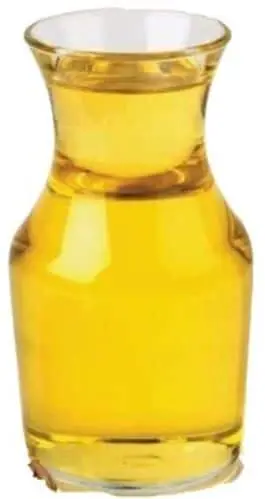
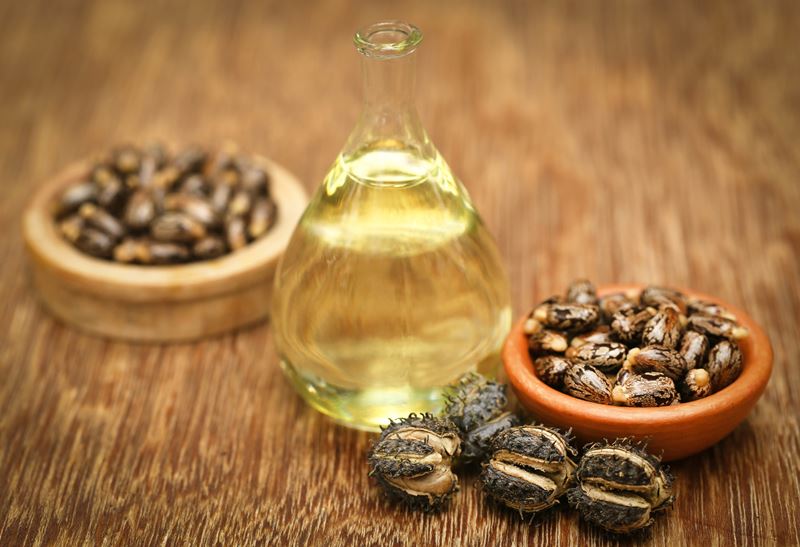

Pale Pressed Grade (PPG) Castor Oil is a refined, mechanically extracted castor oil obtained from the seeds of Ricinus communis. It is characterized by lighter color, controlled odour, and consistent purity, making it suitable for industrial applications that require improved aesthetics and formulation compatibility without extensive chemical modification.
Globally, PPG castor oil is used as a functional base oil and intermediate across multiple industrial sectors.
Product Overview
PPG castor oil is produced from castor seeds through mechanical pressing followed by refining, resulting in a lighter-colored oil compared to standard commercial grades.
Common industrial grades/forms:
-
Pale Pressed Grade (PPG)
-
Variants aligned to application-specific specifications (grade dependent)
At a high level, PPG focuses on appearance control and impurity reduction while retaining the inherent chemical functionality of castor oil. Compared with Commercial Grade Castor Oil (CCO), PPG offers improved clarity and lower impurity levels, supporting more demanding industrial formulations.
Manufacturing Process (High Level)
The production of Pale Pressed Grade Castor Oil follows a controlled, non-proprietary pathway.
1. Raw Material Sourcing
Castor seeds are sourced from established agricultural regions with monitored quality parameters.
2. Mechanical Pressing
Oil is extracted through pressing to separate oil from solid meal without solvent use.
3. Refining & Polishing
Refining steps reduce free fatty acids, gums, moisture, and color bodies to achieve a pale appearance.
4. Filtration & Conditioning
Final filtration ensures clarity and stability prior to packaging.
5. Quality Control Stages
-
Incoming seed and oil checks
-
In-process monitoring
-
Final batch testing before dispatch
Specific temperatures, chemicals, or proprietary methods are not disclosed.
Key Properties & Technical Characteristics
The suitability of PPG castor oil depends on its physical and chemical consistency. Each property influences formulation behavior.
-
Appearance & Physical State – Clear, pale yellow viscous liquid; lighter color supports aesthetic-sensitive applications.
-
Odour – Mild characteristic odour; important for formulations with sensory constraints.
-
Viscosity – Naturally high; contributes to lubricity and film formation.
-
Specific Gravity – Indicates batch consistency and composition control.
-
Acid Value – Lower levels reflect effective refining and stability.
-
Hydroxyl Value – Represents reactive hydroxyl groups essential for chemical modification.
-
Iodine Value – Reflects unsaturation level and oxidation behavior.
-
Saponification Value – Helps assess fatty acid composition.
-
Moisture Content – Low moisture improves storage stability.
-
Unsaponifiable Matter – Controlled to ensure purity.
-
Oxidation Stability – Relevant for storage and processing performance.
-
Typical Impurities Monitored – Residual gums, particulates, trace contaminants.
Typical Technical Parameters
| Parameter | Typical Indication |
|---|---|
| Appearance | Clear, pale yellow liquid |
| Key Chemical Values | Typical range — confirm with Certificate of Analysis (COA) |
| Purity Indicators | Batch-specific, COA verified |
Exact numerical values depend on grade and must be confirmed with the COA.
Applications & End-Use Industries
Pharmaceuticals
Use case: Functional excipient and processing aid.
Why it works: Improved purity and compatibility.
Examples: Capsule shells, topical bases, excipient systems.
Cosmetics & Personal Care
Use case: Emollient and dispersing agent.
Why it works: Lighter color and mild odour support formulation aesthetics.
Examples: Creams, lotions, soaps, hair oils.
Lubricants & Greases
Use case: Base oil or formulation component.
Why it works: High lubricity and viscosity.
Examples: Industrial lubricants, specialty greases.
Polymers & Resins
Use case: Renewable intermediate.
Why it works: Hydroxyl functionality enables chemical modification.
Examples: Polyurethanes, bio-based resins.
Paints, Coatings & Adhesives
Use case: Film-forming and modifying agent.
Why it works: Compatibility with resin systems and flexibility improvement.
Examples: Industrial coatings, inks, adhesive blends.
Specialty & Other Industrial Uses
Use case: Feedstock for downstream castor derivatives.
Why it works: Consistent chemistry and availability.
Examples: Hydrogenated castor oil, esters, specialty intermediates.
Quality Standards & Compliance Practices
PPG castor oil is supplied based on testing discipline and batch verification, not unverified certification claims.
Common practices include:
-
Acid value testing
-
Moisture analysis
-
Appearance and odour checks
-
Batch traceability
-
Availability of COA, TDS, and MSDS
-
Quality systems aligned with generic ISO-style frameworks
Packaging, Storage & Export Handling
Common packaging options:
-
HDPE drums
-
IBC containers
-
Bulk supply (application dependent)
Storage guidelines:
-
Store in a cool, dry, sealed environment
-
Protect from heat, air exposure, and moisture
-
Shelf life depends on storage conditions
Export documentation typically includes:
-
Commercial Invoice
-
Packing List
-
Certificate of Analysis (COA)
-
MSDS
-
Bill of Lading
HS Code: Provided on request
MOQ & Lead Time: Subject to grade, packaging, and incoterms; confirm at enquiry
Why Buyers Source Pale Pressed Castor Oil from India
India is a primary origin for castor seeds and castor oil. Gujarat functions as a key processing and export hub due to integrated agricultural sourcing, established refining infrastructure, and port connectivity, supporting traceable and consistent global supply.
Frequently Asked Questions (FAQs)
1. How does PPG differ from commercial grade castor oil?
PPG has lighter color and improved impurity control.
2. Is PPG suitable for cosmetic formulations?
Yes, where refined appearance and mild odour are required.
3. Is it water-soluble?
No, it is insoluble in water.
4. How should it be stored?
In sealed containers, away from heat and moisture.
5. What affects shelf life?
Storage conditions and exposure to air.
6. Are batches tested before dispatch?
Yes, routine QC checks are performed.
7. Are different specifications available?
Specifications may vary by application.
8. Is export documentation provided?
COA, MSDS, and standard export documents are available.
Technical Enquiries
For technical datasheets, samples, or commercial enquiries, buyers may contact Nova Industries at export@novaind.in.
