
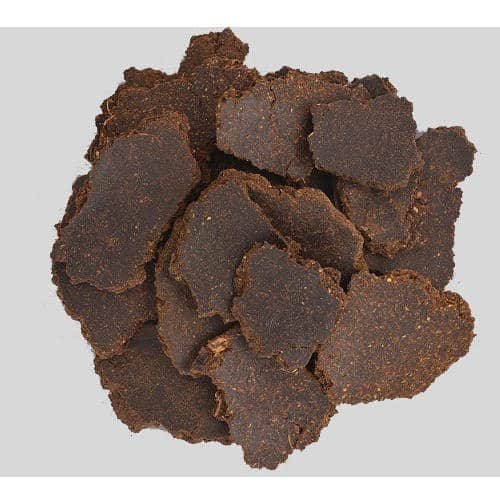
Castor Oil Cake is a solid by-product obtained after mechanical extraction of oil from castor seeds (Ricinus communis). It contains organic matter, residual oil, and natural nutrients, making it suitable for non-feed agricultural and industrial applications, particularly where soil enrichment and organic nutrient input are required.
Industrially, castor oil cake is used as a natural organic material rather than a chemical intermediate.
Product Overview
Castor oil cake is generated during the castor oil production process when oil is removed from castor seeds through pressing. Compared with fully de-oiled cake, standard castor oil cake retains higher residual oil content, which contributes to its gradual nutrient release characteristics.
Common industrial forms:
-
Crushed cake
-
Powder
-
Granules / pellets (application dependent)
At a high level, castor oil cake serves agronomic and soil-conditioning purposes rather than chemical reactivity-based uses.
Manufacturing Process (High Level)
The production of castor oil cake follows an integrated, high-level process alongside castor oil extraction.
1. Raw Material Sourcing
Castor seeds sourced from established agricultural regions are processed for oil extraction.
2. Mechanical Oil Extraction
Oil is extracted through pressing, producing castor oil and residual cake.
3. Cake Conditioning
The cake is cooled, stabilized, and conditioned to manage moisture and handling properties.
4. Size Reduction (Optional)
Crushing or grinding is performed to achieve required particle size.
5. Quality Control Stages
-
Incoming seed inspection
-
In-process monitoring
-
Final batch inspection prior to packing
No proprietary detoxification or confidential processing details are disclosed.
Key Properties & Technical Characteristics
The suitability of castor oil cake depends on its physical and nutrient profile. Each parameter affects handling and end use.
-
Appearance & Physical State – Brownish solid, available in crushed or powdered form.
-
Organic Matter Content – Supports soil structure and microbial activity.
-
Residual Oil Content – Higher than de-oiled cake; contributes to gradual nutrient release.
-
Protein / Nitrogen Content – Provides organic nitrogen input to soil.
-
Moisture Content – Controlled to prevent spoilage during storage.
-
Bulk Density – Influences transport and application rates.
-
Particle Size Distribution – Important for uniform field application.
-
Typical Impurities Monitored – Foreign matter and excess moisture.
Typical Technical Parameters
| Parameter | Typical Indication |
|---|---|
| Physical Form | Crushed cake / powder |
| Nutrient Values | Typical range — confirm with Certificate of Analysis (COA) |
| Moisture | Controlled range — COA verified |
Exact values vary by processing specification and must be confirmed with the COA.
Applications & End-Use Industries
Agriculture & Horticulture
Use case: Organic soil nutrient and conditioner.
Why it works: Organic matter and residual oil support slow nutrient release.
Examples: Crop fields, plantations, horticulture soils.
Organic Fertilizer Manufacturing
Use case: Raw material input.
Why it works: Natural nutrient content and biodegradability.
Examples: Organic manure blends, compost formulations.
Soil Conditioning
Use case: Improvement of soil health.
Why it works: Enhances microbial activity and moisture retention.
Examples: Depleted or intensively cultivated soils.
Industrial & Other Uses
Use case: Base material for agricultural formulations.
Why it works: Consistent composition and availability.
Examples: Specialty agronomic products.
Quality Standards & Compliance Practices
Castor oil cake is supplied based on routine quality checks and batch verification, without unverifiable certification claims.
Common practices include:
-
Moisture analysis
-
Physical inspection
-
Particle size checks
-
Batch traceability
-
Availability of COA on request
-
Quality systems aligned with generic ISO-style frameworks
Packaging, Storage & Export Handling
Common packaging options:
-
PP / HDPE bags
-
Jumbo bags (bulk supply)
Storage guidelines:
-
Store in a cool, dry, and ventilated area
-
Protect from moisture and contamination
-
Shelf life depends on storage conditions
Export documentation typically includes:
-
Commercial Invoice
-
Packing List
-
Certificate of Analysis (COA)
-
Bill of Lading
HS Code: Provided on request
MOQ & Lead Time: Subject to packing and shipment terms; confirm at enquiry
Why Buyers Source Castor Oil Cake from India
India is one of the world’s largest producers of castor seeds, with Gujarat serving as a major processing and export hub. Integrated agricultural supply chains and established oil extraction infrastructure support consistent quality, traceability, and reliable export supply.
Frequently Asked Questions (FAQs)
1. What is castor oil cake mainly used for?
Primarily for agricultural soil conditioning and organic fertilizer applications.
2. How does castor oil cake differ from de-oiled cake?
It contains higher residual oil, resulting in slower nutrient release.
3. Is it suitable for animal feed?
Use depends on processing and regulatory requirements; buyers must verify suitability.
4. How should it be stored?
In dry, ventilated conditions away from moisture.
5. What affects shelf life?
Moisture exposure and storage conditions.
6. Are batches tested before dispatch?
Yes, routine quality checks are performed.
7. Is bulk supply available?
Yes, subject to packaging and logistics arrangements.
8. Is export documentation provided?
COA and standard export documents are available.
Technical Enquiries
For technical datasheets, samples, or commercial enquiries, buyers may contact Nova Industries at export@novaind.in.
